
Prairie willow (Salix humilis)
Also known as: Upland willow
Prairie willow, a small shrub known for its bright green foliage and drought tolerance, can be propagated effectively through stem cuttings. To do this, take a stem cutting and plant it in well-draining soil. Ensure the soil remains moist, and the cutting will develop roots relatively quickly.
In This Article
Attributes of Prairie willow
Lifespan
Perennial
Plant Type
Shrub
Plant Height
30 cm to 3 m
Spread
30 cm to 60 cm
Leaf Color
Green
Flower Size
2.5 cm
Flower Color
Green Yellow Brown
Images of Prairie willow
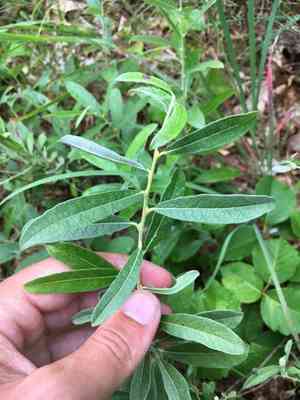
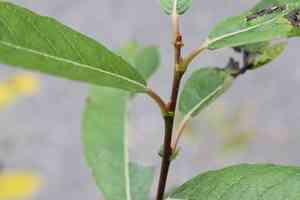
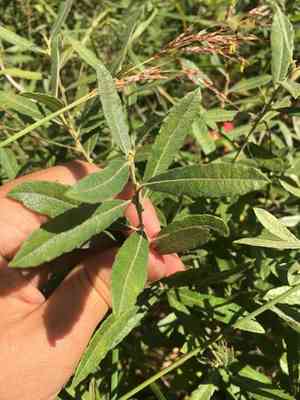
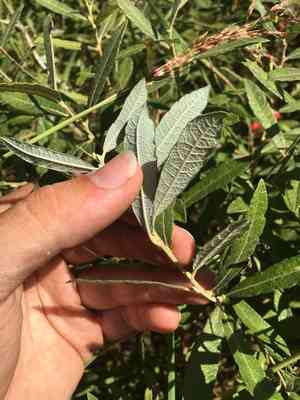
Quickly Identify Prairie willow
1
To identify Salix humilis, look for its small size, typically 2-6 feet tall, with oblong to lanceolate leaves that are grey-green and covered with fine hairs. The stems are slender, and the plant produces catkins in the spring.
Scientific Classification of Prairie willow
Phylum
Vascular plants
Class
Dicotyledons
Order
Malpighiales
Family
Willow
Genus
Willows
Species
Prairie willow
Planting and Growing of Prairie willow
Care Difficulty
Easy
Watering Schedule
Every 3 days
Sunlight Requirements
Full sun
Sunshine Duration
6-12 hours
Ideal Temperature
60-75℉
Soil Type
Potting Mix, Peat Mix
Soil pH
6-7.5
Fertilizer Type
Balanced
Pruning Season
Spring, Summer
Pruning Area
Branches, Leaves
Pruning Frequency
2 times a year
Repotting Season
Spring
Pot Type
Plastic, Terracotta
 How to Water Prairie willow?
This plant, commonly known as Prairie Willow, prefers its soil to be moderately moist. A good rule of thumb is to water until you see a little water draining from the bottom of the pot, ensuring the soil is thoroughly soaked but not waterlogged. Allow the top inch of soil to dry out between watering sessions to prevent root rot.
What are the symptoms of an underwatered Prairie willow?
›
What should I do if my Prairie willow is not getting enough water?
›
What are the symptoms of an overwatered Prairie willow?
›
How to save an overwatered Prairie willow?
›
 What Are the Sunlight Requirements for Prairie willow?
Partial to full sunlight is ideal; optimal exposure enhances its photosynthetic ability, promoting robust growth and healthy foliage development in Salix humilis.
More About Sunlight Requirements Techniques→
What is the optimal light condition for Salix humilis?
›
How can I ensure my Salix humilis gets ideal sunlight?
›
What are the benefits of providing ideal sunlight to Salix humilis?
›
 What Is the Ideal Temperature Range for Prairie willow?
The ideal temperature range for Salix humilis growth is between 60°F and 75°F. This range provides the most favorable conditions for its physiological processes, ensuring robust growth and optimal health. In these temperatures, the plant efficiently performs photosynthesis and water uptake, which are crucial for maintaining its vitality.
 What Soil is Best for Prairie willow?
Salix humilis thrives in soil that retains moisture without becoming waterlogged. This ensures a steady supply of water, which is crucial for the plant's health and growth. Consistent moisture helps the roots develop properly and supports the plant during dry periods. While Salix humilis requires moisture, it equally demands soil with good drainage to prevent root rot. Proper drainage allows excess water to escape, ensuring that roots have access to necessary air and nutrients, promoting robust plant health. The plant appreciates a soil rich in organic matter, providing essential nutrients for growth. This rich composition supports overall plant vitality and encourages vibrant foliage and flower production.
 How to Fertilize Prairie willow?
For Salix humilis, apply a balanced liquid fertilizer at half-strength per gallon of water. Each application should ensure the soil is well-moistened without leaving excess moisture, averting root damage. Adjust based on visible growth response.
 How to Prune Prairie willow?
Begin by selecting sharp, clean pruning shears to avoid infection. Identify any dead, damaged, or diseased branches and cut them back to the main stem. Always make cuts at a slight angle to promote water runoff and emphasize cutting just above a node or bud to encourage new growth. Remove any suckers or shoots that appear at the base. This ensures the plant's energy is directed towards healthier growth. Aim to maintain an open, balanced canopy by thinning out crowded branches, which enhances light penetration and air flow. Conclude by trimming back any overly long branches to maintain a neat appearance. Decide the desired shape and size you want for your Salix humilis. Begin by shaping the outer growth, leaving the central branches longer to maintain a natural form. Remove no more than one-third of the branch length to encourage a denser build without stressing the plant. Consistently maintain an even shape for a symmetrical look. Remember to step back occasionally during pruning to monitor symmetry and balance.
More About Pruning Techniques→
 How to Propagate Prairie willow plant?
1
Collect seeds from mature fruits in late summer when they are fully ripe. Clean and dry the seeds thoroughly to prevent mold or rot before proceeding to the next steps in seed propagation.
2
Select healthy, non-flowering stems and cut them at an angle just below a node. Remove lower leaves and dip the cut end in rooting hormone to initiate root growth efficiently.
3
Carefully dig around the plant to expose roots in early spring. Use a sharp spade to separate root clumps, ensuring each section has both roots and shoots for successful replanting.
 How to Repot Prairie willow plant?
1
One of the key signals that your Salix humilis needs repotting is when you notice roots coming out of the drainage holes. Additionally, if the growth seems stunted or the soil dries out very quickly after watering, it's time to consider giving it more space.
2
Choose a pot that is just one size larger than the current one. This helps prevent waterlogging, which can lead to root rot. The pot should have good drainage holes to ensure excess water can escape, maintaining the health of the plant.
3
Opt for a well-draining loamy soil that retains some moisture without becoming overly soggy. This soil type provides essential nutrients while allowing excess water to move away from the roots, reducing the risk of root rot and providing a healthy growing environment.
Learn More About Prairie willow Diseases
Anthracnose
Bacterial Leaf Spot
Black Spot
Chemical Injury
Crown Gall
Damping-off
Downy Mildew
Drought Stress
Fusarium Wilt
Gray Mold
Leaf Curl
Leaf Spot
Mosaic
Nutrient Deficiency
Nutrient Toxicity
Powdery Mildew
Root Rot
Root-knot Nematode
Rusts
Sooty Mold
Spider Mites
Temperature Stress
Thrips Damage
White Mold



