How to Prune Chilean pencil willow?
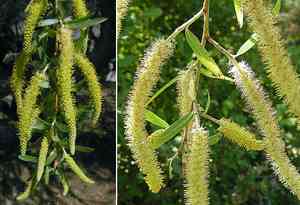
Hailing from South America, chilean pencil willow is a rapidly developing willow species that thrives in moist conditions. Efficient trimming involves excising deceased or compromised branches and reducing crowded foliage to enhance light exposure and air movement. The optimal period for pruning is from late winter to early spring, while the plant is inactive and prior to the emergence of new shoots. Pruning chilean pencil willow during this interval stimulates robustness, preserves its form, and deters ailments. It is crucial to refrain from severe topping, as this can result in feeble development.
What Are the Benefits of Pruning Chilean Pencil Willow?
What Are the Benefits of Pruning Chilean Pencil Willow?
Trimming chilean pencil willow encourages robust development by promoting new shoots, ensuring a strong structure. It also helps maintain the plant's form, preventing it from becoming overgrown and messy.
What Is the Best Time for Pruning Chilean Pencil Willow?
What Is the Best Time for Pruning Chilean Pencil Willow?
Late winter and early spring are considered optimal times for pruning chilean pencil willow due to factors related to its growth cycle and overall health. During late winter, the plant is typically dormant, meaning pruning at this time minimizes stress and reduces the risk of disease entering through cuts. Furthermore, with no foliage, the plant's structure is more visible, aiding in precise and strategic cuts. Early spring, just before new growth begins, is also suitable as it allows wounds to heal before the rapid growing season. Pruning in early spring also stimulates new growth in desired areas and helps remove damaged or diseased wood before dormancy breaks. It's crucial to avoid pruning during active growth or flowering/fruiting periods, as this can negatively impact the plant's ability to produce flowers and fruits. By aligning pruning with chilean pencil willow's dormancy and pre-growth routines, gardeners can ensure a healthier plant structure and vigorous growth in the subsequent season.
What Tools Do I Need to Prune Chilean Pencil Willow?
Hand Pruners
Perfect for cutting small branches and twigs of chilean pencil willow, allowing for precise cuts without harming the plant.
Lopping Shears
Suitable for thicker branches of chilean pencil willow that hand pruners cannot manage, offering more leverage for cleaner cuts.
Pruning Saws
Useful for the largest branches of chilean pencil willow, ensuring cuts are manageable and smooth to encourage better healing.
Hedge Shears
Effective for shaping and controlling the growth of chilean pencil willow when maintaining hedge formations or formal designs.
Pole Pruner
Enables safe pruning of higher branches without needing a ladder, thereby reducing injury risk when maintaining chilean pencil willow.
How to Prune Chilean Pencil Willow
Clean Tools
Sanitize pruning shears and saws to prevent the spread of diseases when trimming chilean pencil willow.
Inspect
Carefully examine chilean pencil willow to accurately identify and mark all dead and diseased branches that need removal.
Cut Dead Branches
Using sterilized shears, carefully cut dead branches at their point of origin or back to a healthy lateral branch.
Remove Diseased Branches
Trim diseased branches by cutting at least several inches into the healthy wood beyond the affected area to ensure the disease does not spread.
Dispose
Properly dispose of all removed diseased material to prevent re-infection and clean tools again after the pruning process is complete.
Common Pruning Mistakes with Chilean Pencil Willow
Over-Pruning
Removing too much foliage at once can stress chilean pencil willow, leading to poor growth and increased susceptibility to diseases.
Blunt Tools
Using dull or blunt pruning tools can result in jagged cuts that harm chilean pencil willow and promote disease entry.
Improper Cut Placement
Making cuts either too close to or too far from the node can prevent proper healing and hinder future growth of chilean pencil willow.
Neglecting Tool Hygiene
Failing to sterilize pruning tools before use can spread pathogens, risking infection and disease across different parts of chilean pencil willow.
Tearing Bark
Tearing the bark while pruning can cause unnecessary damage to chilean pencil willow, potentially leading to disease and decay.
Common Pruning Tips for Chilean Pencil Willow
Sharp Tools
Use clean, sharp tools to make smooth cuts that chilean pencil willow can heal over quickly, reducing the risk of disease.
Angled Cuts
Make cuts at a 45-degree angle about 1/4 inch above outward-facing buds to encourage water runoff and prevent disease on chilean pencil willow.
Crossing Branches
Regularly remove crossing or rubbing branches to maintain good airflow, which reduces fungal issues in chilean pencil willow.
Dead And Damaged
Focus on removing dead, damaged, or diseased branches to maintain the health and appearance of chilean pencil willow.
Shape Maintenance
Trim chilean pencil willow to maintain its natural form, avoiding excessive shaping that could stress the plant and detract from its growth.



