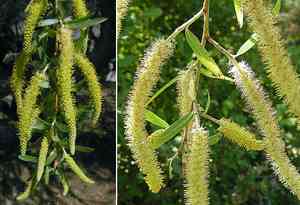
Chilean pencil willow (Salix humboldtiana)
Also known as: Chile willow
The Weeping Willow (Salix babylonica) is recognized for its tall, graceful form, typically reaching heights of up to 20 meters. It features narrow, lance-shaped leaves and distinctive, drooping branches that make it a standout in wet areas such as riversides and stream banks. This tree's extensive root system helps stabilize soil and prevent erosion, and its flowers are a magnet for various pollinators.
In This Article
Attributes of Chilean pencil willow
Lifespan
Perennial
Plant Type
Tree, Shrub
Plant Height
25 m
Spread
20 cm to 80 cm
Leaf Color
Green
Flower Size
2.5 mm
Flower Color
Yellow Green
Images of Chilean pencil willow

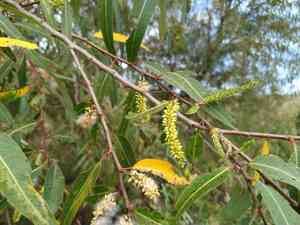


Quickly Identify Chilean pencil willow
1
Salix humboldtiana can be identified by its lanceolate leaves which are green on top and lighter below. The bark is rough and grayish-brown, and it typically has a narrow, upright stature. The catkins are slender and appear in early spring.
Scientific Classification of Chilean pencil willow
Phylum
Vascular plants
Class
Dicotyledons
Order
Malpighiales
Family
Willow
Genus
Willows
Species
Chilean pencil willow
Planting and Growing of Chilean pencil willow
Care Difficulty
Easy
Watering Schedule
Every 4 days
Sunlight Requirements
Full sun
Sunshine Duration
6-10 hours
Ideal Temperature
60-75℉
Soil Type
Potting Mix, Peat Mix
Soil pH
6.5-7.5
Fertilizer Type
Balanced
Pruning Season
Spring, Summer
Pruning Area
Branches, Leaves
Pruning Frequency
2 times a year
Repotting Season
Spring
Pot Type
Plastic, Ceramic
 How to Water Chilean pencil willow?
Salix humboldtiana thrives with sufficient moisture, and the watering should aim to keep the soil evenly damp. It is important to water until the soil is moist at a depth of approximately 15-20 centimeters. This ensures that the roots receive adequate moisture without becoming waterlogged.
What are the symptoms of an underwatered Chilean pencil willow?
›
What should I do if my Chilean pencil willow is not getting enough water?
›
What are the symptoms of an overwatered Chilean pencil willow?
›
How to save an overwatered Chilean pencil willow?
›
 What Are the Sunlight Requirements for Chilean pencil willow?
Full sun exposure is optimal for Salix humboldtiana, known for its preference for ample lighting. Consistent exposure boosts photosynthesis, leading to healthier, denser foliage and a robust root system. Maximum sunlight equates to energy efficiency in growth, vital for the plant's overall development.
More About Sunlight Requirements Techniques→
Ideal Light Intensity
›
Seasonal Light Adjustments
›
Obstacles and Light Blockage
›
 What Is the Ideal Temperature Range for Chilean pencil willow?
The ideal temperature range for Salix humboldtiana is between 60°F and 75°F. This range provides optimal growth conditions by offering the right balance of warmth and energy for photosynthesis. In this temperature window, the plant can efficiently process nutrients, maintain healthy leaf structure, and grow at a steady pace.
 What Soil is Best for Chilean pencil willow?
Salix humboldtiana thrives in well-aerated soils that allow roots to breathe. This prevents root rot and helps in the absorption of essential nutrients, ensuring the plant's healthy growth. This plant requires soil with excellent drainage to prevent waterlogging. Proper drainage is crucial to avoid root diseases and promote vigorous growth. Salix humboldtiana benefits from a nutrient-rich substrate, which supports its rapid growth. A well-fertilized soil enhances leaf development and boosts overall plant vitality.
 How to Fertilize Chilean pencil willow?
When fertilizing Salix humboldtiana, care should be taken to apply moderate amounts to avoid nutrient overdose or deficiency. For liquid fertilizers, use a balanced N-P-K ratio of about 10-10-10 or similar. Typically, 1 to 2 tablespoons mixed in a gallon of water is sufficient per application. For slow-release fertilizers, follow package instructions, usually around 1/2 to 1 pound per plant.
 How to Prune Chilean pencil willow?
Begin by examining the tree for any dead, diseased, or damaged branches which should be removed first. Use sharp and clean pruning shears to make clean cuts at a slight angle above the branch collar to prevent water damage and facilitate quick healing. Focus on thinning out dense areas to increase air circulation and light penetration, which supports the tree's growth and health. To maintain a graceful willow shape, trim back long, drooping branches to encourage bushier growth. Aim to create a balanced canopy by selectively shortening overly long branches. This not only enhances the tree's appearance but also minimizes potential damage from heavy winds.
More About Pruning Techniques→
 How to Propagate Chilean pencil willow plant?
1
Fill a seed tray with a well-draining seed starting mix and evenly distribute Salix humboldtiana seeds across the surface. Cover lightly with soil and keep the soil moist but not wet. Place the tray in a warm, sunny location to encourage germination.
2
Select healthy, disease-free branches for cuttings in early summer. Using sharp pruning shears, cut a section of about 10-15 cm in length. Remove the leaves from the bottom half and plant it in a moist, well-draining rooting medium.
3
Insert the prepared Salix humboldtiana cuttings into the rooting medium. Maintain humidity and warmth around the cuttings by covering them with a plastic dome or placing them in a greenhouse environment until roots develop.
 How to Repot Chilean pencil willow plant?
1
Salix humboldtiana should be repotted when its roots start to circle the pot or growth appears stunted. Early spring is ideal as it allows the roots to establish before active growth in late spring. Ensure not to disturb its roots extensively to prevent shock.
2
Select a pot that is one size larger than the current one, with ample drainage holes. A terracotta pot can be beneficial as it allows for better air circulation around the roots, preventing waterlogging and fostering a healthy growth environment.
3
Opt for well-draining loamy soil, enriched with organic matter for nutrient retention. This type of soil provides a balance between drainage and moisture retention, allowing the plant to thrive without risk of root rot.



