Enhancing Your Garden Design with the Chilean pencil willow Plant: A Landscaping Guide
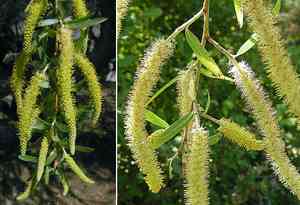
1
The Chilean pencil willow contributes both stature and visual charm to any garden layout.
2
Placing the Chilean pencil willow in an optimal spot can enhance its development and aesthetic effect.
3
Caring for the Chilean pencil willow demands regular attention, particularly as seasons shift.
Introducing Chilean Pencil Willow in Garden Design
Overview of Chilean pencil willow's visual appeal
The Chilean pencil willow is a graceful and adaptable plant that enhances the aesthetic of any outdoor space. Its slender, upright branches and vivid green leaves make it a striking feature, whether in a contemporary garden or a more traditional setting. This distinctive plant stands out due to its elegant form and ability to seamlessly integrate into various landscape designs. The remarkable appearance of the Chilean pencil willow can serve as a natural focal point, drawing attention and complementing other design elements in your garden.
Advantages of incorporating Chilean pencil willow into modern landscapes
Integrating Chilean pencil willow into your landscape offers numerous benefits. Beyond its visual charm, it provides shade and privacy, making your outdoor area more pleasant and practical. Its rapid growth and resilience to diverse environmental conditions mean it's a low-maintenance addition with lasting rewards. Contemporary landscapes often favor plants that combine beauty with utility, and the Chilean pencil willow perfectly fits this description, offering a dynamic presence that elevates the overall design.
Selecting the Ideal Spot for Chilean Pencil Willow
Evaluating soil and light conditions
To ensure the Chilean pencil willow flourishes in your landscape, it's crucial to assess the soil and sunlight conditions of the chosen planting site. This plant prefers well-drained soil rich in organic matter. Examining the soil texture helps determine if any amendments are necessary to encourage robust root development. Sunlight is another vital factor; the Chilean pencil willow thrives in full sun to partial shade. Therefore, observing the sun's path in your garden will guide you to the optimal planting location, ensuring the plant receives adequate light throughout the day.
Strategic placement for optimal growth and visual impact
Thoughtfully positioning the Chilean pencil willow in your landscape can significantly boost its growth and aesthetic appeal. Consider areas where it can act as a focal point or provide natural screening. Placing it near water features or pathways can enhance its charm, creating a picturesque and harmonious garden layout. Remember to space multiple plants appropriately to allow for air circulation and growth. Careful placement not only benefits the plant's health but also maximizes its design potential, contributing to a balanced and cohesive landscape.
Design Concepts Featuring Chilean Pencil Willow
Using Chilean pencil willow as a central feature in garden designs
The Chilean pencil willow can easily become the centerpiece of your garden design. Its tall, slender shape makes it a natural focal point in various environments. Whether planted individually or in clusters, it draws the eye and emphasizes the vertical dimension of your space. Use it to anchor garden beds or as a backdrop for shorter plants, creating depth and visual interest. Its elegant silhouette works well in minimalist designs, offering a striking contrast to more elaborate features and structures in your garden.
Companion plants and design elements for Chilean pencil willow
To highlight the beauty of the Chilean pencil willow, pair it with complementary plants and design elements. Ornamental grasses, flowering perennials, and shrubs that thrive in similar conditions can create a visually appealing and diverse landscape. Additionally, consider elements like stone paths, wooden benches, or water features to enhance the overall design. Combining the Chilean pencil willow with a mix of textures and colors can produce a dynamic and engaging garden space, ensuring it stands out while harmonizing with its surroundings.
Caring for Chilean Pencil Willow in Your Landscape
Essential maintenance tips for healthy growth
Maintaining the Chilean pencil willow involves several straightforward practices to ensure vigorous growth. Regular watering, especially during dry periods, is crucial for establishing young plants. Applying a layer of mulch helps retain moisture and regulate soil temperature. Pruning is also important to remove dead or damaged branches, encouraging healthy new growth. Fertilizing with a balanced, slow-release fertilizer during the growing season can provide essential nutrients, supporting vibrant foliage and strong stems.
Seasonal care and common issues to monitor
Seasonal care is vital for keeping the Chilean pencil willow in prime condition. In spring, inspect for signs of new growth and prune as needed. Summer requires diligent watering and monitoring for pests such as aphids or caterpillars. Fall is the time to clear fallen leaves and prepare for winter by adding mulch to protect roots from frost. Common issues like fungal infections or scale insects can be managed with appropriate treatments. Staying attentive to these seasonal tasks helps ensure the Chilean pencil willow remains healthy and thriving year-round.
Environmental Impact and Sustainability of Chilean Pencil Willow
Chilean pencil willow's contribution to local biodiversity
The Chilean pencil willow plays a significant role in supporting local biodiversity. Its presence can attract a variety of wildlife, including birds, insects, and small mammals, contributing to a vibrant ecosystem. The dense foliage provides shelter and nesting sites, while the flowers may attract pollinators. By incorporating the Chilean pencil willow into your landscape, you help promote a healthy and diverse environment, creating a sustainable habitat for local fauna.
Sustainable cultivation practices for Chilean pencil willow in landscapes
Cultivating the Chilean pencil willow sustainably involves adopting eco-friendly practices. Using organic fertilizers and natural pest control methods reduces chemical runoff and protects soil and water quality. Implementing water-conserving irrigation systems, like drip irrigation, can minimize water usage. Additionally, considering the plant's natural growth habits when designing your landscape can reduce the need for excessive pruning or chemical interventions. These practices ensure that the Chilean pencil willow thrives while maintaining the ecological balance of your garden.



