How to Prune Dwarf saltwort?
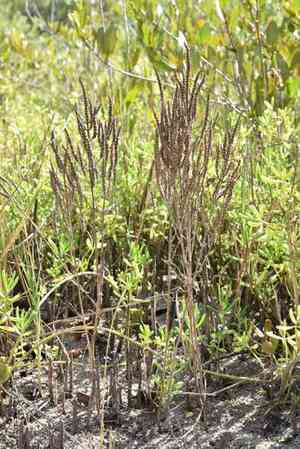
Salicornia bigelovii, a salt-tolerant botanical species recognized for its fleshy, slender foliage and resilience in salty environments, thrives with consistent trimming. The most favorable periods for pruning are during the Spring, Summer, and Autumn seasons. Remove any withered or compromised stalks to foster more robust development and enhance air movement. Reduce the plant's size by approximately one-third to stimulate thicker leaf growth. Refrain from extensive pruning in late Autumn to avert strain prior to its dormant phase. Routine trimming can boost the plant's vitality and visual attractiveness.
What Are the Benefits of Pruning Dwarf Saltwort?
What Are the Benefits of Pruning Dwarf Saltwort?
Trimming dwarf saltwort encourages robust development and preserves its compact form, crucial in its typically dense environments. Regular cutting back helps manage its size and promotes a bushier, more resilient structure, suitable for its culinary and decorative uses.
What Is the Best Time for Pruning Dwarf Saltwort?
What Is the Best Time for Pruning Dwarf Saltwort?
Pruning dwarf saltwort during Spring is optimal as it prepares the plant for vigorous growth during the active season, removing old or dead stems to stimulate new development. Summer trimming aids in maintaining plant shape and health, as well as controlling size and eliminating unproductive or damaged parts that may arise due to the plant's rapid growth phase. Fall pruning is vital for clearing old growth and readying dwarf saltwort for winter dormancy, while ensuring energy is conserved for the subsequent growing season.
What Tools Do I Need to Prune Dwarf Saltwort?
Bypass Pruners
Perfect for making precise cuts and ensuring the delicate stems of dwarf saltwort are not crushed during trimming. These are especially effective for cutting back overgrown plants or removing dead material without harming surrounding stems.
Gardening Scissors
These are useful for meticulous upkeep of dwarf saltwort as they allow for accurate control and easy access to dense clusters without damaging the plant. Suitable for smaller or harder-to-reach areas.
Handheld Shears
Effective for shaping and thinning the bushy growths of dwarf saltwort. They provide a clean cut and enable quick and efficient pruning of larger sections.
Gloves
Essential for protecting hands against the salt-marsh environment of dwarf saltwort, particularly given sensitivity to salt exposure. Ensure gloves are durable and waterproof.
How to Prune Dwarf Saltwort
Identify
Start by carefully inspecting dwarf saltwort, focusing on locating withered or dead leaves which may appear dry, discolored, or shriveled.
Prepare
Ready your pruning tools, which should include sharp scissors or shears. Ensure they are clean and sterilized to prevent the spread of diseases.
Trim
Carefully trim the identified withered leaves at their base, close to the stem. Be cautious not to harm the healthy parts of dwarf saltwort.
Dispose
Properly discard the removed leaves to prevent potential pest issues and fungal infections in the garden area.
Monitor
After pruning, regularly observe dwarf saltwort for any signs of stress or further wilting and repeat the pruning process as needed to maintain plant health.
Common Pruning Mistakes with Dwarf Saltwort
Over-pruning
A frequent error is removing too much growth from dwarf saltwort in one session, which can stress the plant and lead to reduced vigor and development.
Improper technique
Using dull or dirty pruning tools can damage the tissues of dwarf saltwort, creating jagged cuts that heal poorly and are vulnerable to disease.
Neglecting form
Failing to consider the natural shape of dwarf saltwort when pruning can result in a loss of plant aesthetics and compromise its structural integrity.
Common Pruning Tips for Dwarf Saltwort
Sharp tools
Always use sharp, clean pruning shears to make clean cuts that will heal more efficiently, reducing the risk of disease.
Moderate pruning
Prune sparingly, removing only dead or overgrown branches to maintain the health and form of dwarf saltwort. This helps in encouraging a fuller and healthier growth.
Symmetrical shaping
Aim for a symmetrical shape while pruning to improve the plantâs appearance and ensure balanced growth. This involves small, strategic snips rather than drastic cuts.



