The Dwarf saltwort Plant Advantage: Maximizing Home and Office Appeal and Wellness
1
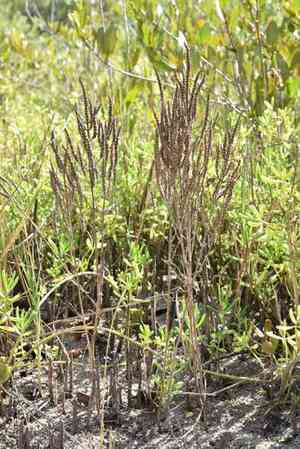
Dwarf saltwort flourishes in salty conditions, positioning it as an environmentally sound option for sustainable agriculture.
2
This plant offers a wealth of vital nutrients, such as vitamins and minerals.
3
Dwarf saltwort serves as a superb origin for biofuel and has the potential to aid in eco-friendly energy alternatives.
What Makes Dwarf saltwort Unique?
Adaptability to Saline Environments
Dwarf saltwort is particularly notable for its ability to thrive in salty conditions. Unlike many plants that struggle in high-salt environments, Dwarf saltwort not only survives but flourishes. This makes it an excellent candidate for cultivation in coastal regions and other salt-affected areas. The adaptability of Dwarf saltwort to such conditions can lead to the more efficient use of arid and salty lands, transforming otherwise unproductive areas into thriving agricultural hubs.
Nutrient-Rich Profile
The plant boasts a rich profile of essential nutrients. It is packed with vitamins, minerals, and antioxidants, making it a valuable addition to a balanced diet. Among the nutrients found in Dwarf saltwort are vitamin A, vitamin C, iron, magnesium, and potassium. These elements contribute to overall well-being, supporting various bodily functions including vision, immune response, and muscle function. Hence, incorporating Dwarf saltwort into your diet can offer substantial health benefits.
Agricultural Benefits of Growing Dwarf saltwort
Sustainable Farming Practices
Growing Dwarf saltwort encourages sustainable farming practices. Since it thrives in saline and arid conditions, it can be cultivated in areas unsuitable for traditional crops. This not only optimizes land use but also reduces the strain on freshwater resources, which are often in short supply. By integrating Dwarf saltwort into agricultural rotations, farmers can diversify their crops, improving soil health and resisting plant diseases, all while remaining environmentally friendly.
Economic Opportunities
The cultivation of Dwarf saltwort opens up numerous economic opportunities. Due to its unique properties and diverse applications, the plant can be marketed to various industries ranging from food production to biofuels. Additionally, farmers can benefit from the increasing demand for eco-friendly and sustainable products. By incorporating Dwarf saltwort into their farming portfolios, they can tap into new markets and potentially increase their revenue streams.
How Can Dwarf saltwort Be Used in Nutrition?
Edible Parts and Preparation
Dwarf saltwort is not only nutritious but also easy to incorporate into various culinary dishes. Both the tender shoots and the seeds of the plant can be consumed. The shoots are often used in salads, stir-fries, and even pickled for extended shelf life. Meanwhile, the seeds can be ground into flour or pressed for oil, offering a gluten-free alternative for baking and cooking. Its versatility in the kitchen makes Dwarf saltwort a valuable ingredient for health-conscious consumers.
Health Benefits
Regular consumption of Dwarf saltwort can offer several health benefits. The antioxidants present in the plant can help combat oxidative stress, reducing the risk of chronic diseases. The high fiber content aids in digestion and promotes gut health. Furthermore, its nutrient-rich profile supports overall well-being, making it an excellent addition to a balanced diet. As awareness grows around the health benefits of Dwarf saltwort, its popularity as a superfood is set to rise.
The Role of Dwarf saltwort in Sustainable Energy Solutions
Biofuel Production
One of the most promising uses of Dwarf saltwort is in the production of biofuel. The plant can be converted into biomass, which can then be processed into bioethanol or biodiesel. This provides a renewable and sustainable alternative to fossil fuels. Given the global push toward reducing carbon footprints, the role of Dwarf saltwort in sustainable energy solutions is increasingly recognized. By integrating Dwarf saltwort into biofuel production, we can move closer to achieving environmentally friendly energy goals.
Carbon Sequestration
Dwarf saltwort also plays a significant role in carbon sequestration. During its growth process, the plant absorbs carbon dioxide from the atmosphere, helping to reduce overall greenhouse gas levels. This not only mitigates the impact of climate change but also supports the health of marine and coastal ecosystems. By cultivating Dwarf saltwort on a larger scale, we can harness its natural ability to combat global warming, making it a key player in the fight for a sustainable future.



