How to Prune Kneed Wallaby-grass?
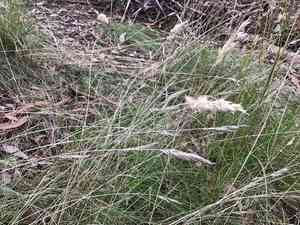
Kneed Wallaby-grass, recognized for its unique clumps and angled stems, necessitates trimming mainly in the early spring or during winter. Sever withered and compromised leaves to foster robust development and stimulate a more compact form. Eliminating aged stalks can revitalize the specimen and avert excessive density. These methods contribute to preserving its decorative charm and improving air movement. Verify that implements are sanitized to preclude pathogen transmission. Trimming kneed Wallaby-grass boosts its hardiness and visual attractiveness.
What Are the Benefits of Pruning Kneed Wallaby-grass?
What Are the Benefits of Pruning Kneed Wallaby-grass?
Pruning Kneed Wallaby-grass encourages robust development and helps maintain its form. Regular trimming eliminates dead or crowded stems, improving air circulation and light penetration, which are vital for healthy growth and pest resistance.
What Is the Best Time for Pruning Kneed Wallaby-grass?
What Is the Best Time for Pruning Kneed Wallaby-grass?
Pruning Kneed Wallaby-grass in early spring and winter is optimal as these periods precede the active growth cycle or occur during dormancy. Early spring pruning allows rapid healing and stimulates vigorous growth as the season begins. Winter pruning, during the plant's dormant phase, reduces stress and the likelihood of disease spread. Both times avoid disrupting flowering or fruiting, ensuring better health and yield.
What Tools Do I Need to Prune Kneed Wallaby-grass?
Hand Pruners (Bypass Pruners)
Perfect for trimming small stems and making accurate cuts, minimizing harm to plant tissue.
Hedge Shears
Useful for shaping and maintaining an attractive form, especially if the plant is part of landscaping or garden design.
Loppers
Helpful for cutting thicker stems that hand pruners cannot handle, providing leverage for clean cuts without damaging the plant structure.
Pruning Saw
Required for occasional removal of thicker, woody sections to keep the plant healthy and to eliminate dead or diseased stems.
Gloves
Essential for protecting hands from sharp edges or irritants during pruning.
How to Prune Kneed Wallaby-grass
Identify foliage
Carefully examine Kneed Wallaby-grass to locate any diseased or withered leaves requiring attention. Look for discoloration, spots, or signs of decay.
Prepare tools
Ensure your pruning tools are clean and sharp to minimize damage to Kneed Wallaby-grass and prevent disease transmission.
Remove diseased leaves
Using sterilized pruners, carefully cut away diseased leaves, trimming at the base of affected leaves to prevent further infection.
Remove withered leaves
Trim at the base of any withered leaves, ensuring clean cuts to promote healthy regrowth and air circulation within Kneed Wallaby-grass.
Dispose safely
Safely discard removed diseased and withered leaves away from Kneed Wallaby-grass to avoid potential contamination or spread of disease to other plants.
Common Pruning Mistakes with Kneed Wallaby-grass
Over-pruning
Removing too much foliage can weaken Kneed Wallaby-grass, impeding its growth and reducing its resistance to pests and diseases.
Poor tool maintenance
Using dull or unclean tools can harm Kneed Wallaby-grass's stems and introduce diseases. Ensuring tools are sharp and sterilized is crucial.
Improper cutting technique
Making cuts too close to the node or leaving too much stem can lead to dieback and infection.
Wrong angle of cuts
Incorrectly angled cuts can cause water to accumulate on the cut surface, increasing the risk of fungal infections.
Common Pruning Tips for Kneed Wallaby-grass
Use sharp tools
Always use sharp pruning shears or scissors for clean cuts, which help the plant heal faster and minimize disease risk.
Sterilize tools
Before pruning, sterilize your tools with a household bleach and water solution to prevent disease spread.
Make precise cuts
Cut just above a node or bud at a slight angle to promote healthy new growth and prevent water from sitting on the cut surface.
Remove dead and diseased parts
Regularly inspect Kneed Wallaby-grass and prune dead, damaged, or diseased tissue to keep the plant healthy and encourage better growth.
Prune to shape
For experienced gardeners, shaping Kneed Wallaby-grass can promote a more desirable growth pattern and improve airflow, reducing the risk of fungal issues.
Prune lightly
Especially for novice gardeners, it's important to prune conservatively at first to avoid stressing the plant. Focus on removing only what's necessary and evaluate the plant's response.



