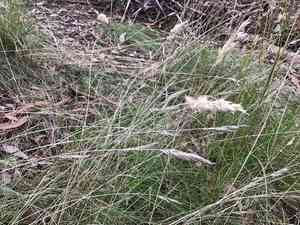
Kneed Wallaby-grass (Rytidosperma geniculatum)
Also known as: no known aliases
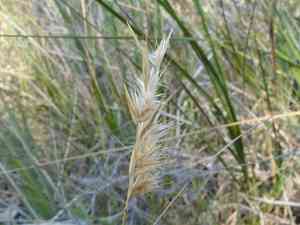
Kneed Wallaby-grass is a clumping grass featuring narrow leaves that arch from its base, creating tufts that lend a textured look. Its jointed stems typically bend at the nodes, much like knees, an adaptation to its native windy plains. In spring, it bears subtle, airy flowerheads that sway on slender stalks, dispersing seeds with the breeze's aid, ensuring its proliferation across its native habitats.
In This Article
Attributes of Kneed Wallaby-grass
Lifespan
Perennial
Plant Type
Grass
Plant Height
0.3 - 1 meter
Spread
0.3 - 0.5 meter (tussock diameter)
Leaf Color
Green
Flower Size
Small (approximately 2-5 mm long)
Flower Color
Pale, often without significant coloration
Images of Kneed Wallaby-grass
Quickly Identify Kneed Wallaby-grass
1
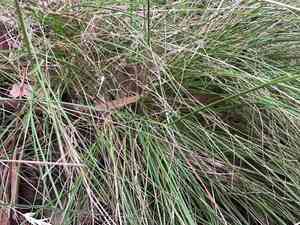
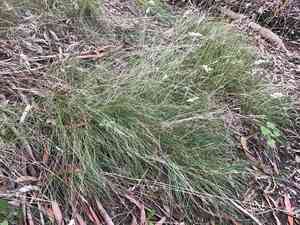
This plant can be identified by its erect stems with noticeable 'knee-like' nodes. Its leaves are narrow and tufted, and it often forms dense tussocks.
Scientific Classification of Kneed Wallaby-grass
Phylum
Vascular plants
Class
Monocotyledons
Order
Poales
Family
Grass
Genus
Wallaby grass
Species
Kneed Wallaby-grass
Planting and Growing of Kneed Wallaby-grass
Care Difficulty
Moderate
Watering Schedule
Every 3 days
Sunlight Requirements
Partial sun
Sunshine Duration
6-8 hours
Ideal Temperature
50-77℉
Soil Type
Potting Mix, Peat Mix
Soil pH
5.5-7.5
Fertilizer Type
Balanced
Pruning Season
Spring, Summer
Pruning Area
Branches, Leaves
Pruning Frequency
2 times a year
Repotting Season
Spring
Pot Type
Plastic, Ceramic
 How to Water Kneed Wallaby-grass?
The watering amount for Rytidosperma geniculatum should be substantial enough to moisten the soil thoroughly but not soggy. The principle is to ensure that water penetrates deeply to reach the roots, ideally around 100 mL each time, to promote healthy growth and prevent root rot.
What are the symptoms of an underwatered Kneed Wallaby-grass?
›
What should I do if my Kneed Wallaby-grass is not getting enough water?
›
What are the symptoms of an overwatered Kneed Wallaby-grass?
›
How to save an overwatered Kneed Wallaby-grass?
›
 What Are the Sunlight Requirements for Kneed Wallaby-grass?
Rytidosperma geniculatum thrives best in partial sun, receiving about 4-6 hours of filtered light. This balance promotes robust growth, aids in photosynthesis while preventing leaf burn.
Best Location
›
Shade Solutions
›
Rotating Pot
›
 What Is the Ideal Temperature Range for Kneed Wallaby-grass?
The ideal temperature range for growing Rytidosperma geniculatum is between 50°F and 77°F. Maintaining a consistent temperature within this range promotes healthy growth and aids in the plant's physiological processes, ensuring robust foliage development.
 What Soil is Best for Kneed Wallaby-grass?
Rytidosperma geniculatum thrives in well-drained soil that prevents waterlogging. This condition is pivotal to avoid root rot and promote healthy root development. The plant prefers moderately fertile soil that provides essential nutrients without being overly rich, which supports its natural resilience and growth patterns. While drainage is important, the soil should also retain enough moisture to keep the plant hydrated between watering cycles, ensuring consistent growth.
 How to Fertilize Kneed Wallaby-grass?
For Rytidosperma geniculatum, the amount of fertilizer is crucial. Use approximately 1 tablespoon of liquid fertilizer per gallon of water. When using slow-release solid fertilizers, apply about 1/4 cup per square foot. This ensures the plant receives sufficient nutrients without overwhelming it.
 How to Prune Kneed Wallaby-grass?
Begin pruning your Rytidosperma geniculatum by examining the overall structure of the plant. Use sharp, sterilized pruning shears to cut back any dead or damaged stems first. Next, trim any overgrown or wayward branches to shape the plant aesthetically. Aim for an overall balance and symmetry, maintaining the natural growth habit. Always make your cuts at a 45-degree angle to promote proper healing. Remove spent flower stalks to divert energy back into the plant's growth.
More About Pruning Techniques→
 How to Propagate Kneed Wallaby-grass plant?
1
Gather seeds from mature Rytidosperma geniculatum plants. Ensure seeds are dry and free from any visible damage or disease, as healthy seeds increase the chances of successful propagation.
2
Fill seed starting trays with a sterile seed starting mix. Place seeds on the surface and lightly cover with soil. Maintain moisture by misting and cover with a plastic dome to retain humidity.
3
In early spring, dig up mature plants and gently shake off excess soil. Use a sharp knife to cut the root ball into smaller sections, ensuring each has a healthy portion of roots and shoots.
 How to Repot Kneed Wallaby-grass plant?
1
Rytidosperma geniculatum needs repotting when its roots start growing out of the drainage holes, or the plant shows slowed growth despite proper care. Look for these signs in early spring or autumn for best results.
2
Select a pot that is one size larger than the current one, with adequate drainage holes. A terracotta pot is ideal because its porous nature allows the soil to dry evenly, preventing root rot and promoting a healthy environment for the plant.
3
Opt for a loam-based soil mix that ensures good drainage and retains enough moisture. This type of soil provides the right balance of nutrients, promoting vigorous growth and reducing the risks associated with overwatering.
Learn More About Kneed Wallaby-grass Diseases
Anthracnose
Bacterial Leaf Spot
Bacterial Soft Rot
Bacterial Wilt
Black Spot
Chemical Injury
Cyst Nematode
Damping-off
Downy Mildew
Drought Stress
Fusarium Wilt
Gray Mold
Leaf Spot
Mosaic
Nutrient Deficiency
Nutrient Toxicity
Powdery Mildew
Root Rot
Root-knot Nematode
Rusts
Sooty Mold
Spider Mites
Temperature Stress
Thrips Damage
White Mold



