How to Propagate Kneed Wallaby-grass?
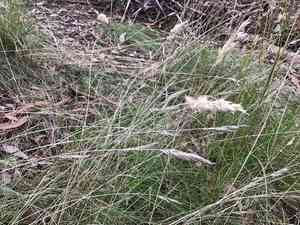
Kneed Wallaby-grass is a resilient perennial grass indigenous to temperate zones, flourishing in adequately drained earth and ample sunlight. To achieve successful propagation, prioritize the division technique. Gently divide the clusters during periods of vigorous development, making sure every segment possesses roots and nascent stems. Place the divisions into prepped soil, irrigate consistently until they are rooted, and sustain moderate dampness for peak development. This approach guarantees vigorous and sturdy new specimens.
Optimal Period for Kneed Wallaby-grass Propagation
Propagation Method
Division
Propagation Period
Spring,Autumn
Tools Utilized in Kneed Wallaby-grass Propagation
Spade or Garden Fork
Employed for excavating Kneed Wallaby-grass clumps from the ground, minimizing root damage. Its sturdy construction is particularly effective for dense, fibrous root systems.
Sharp Knife or Pruning Shears
Crucial for making clean cuts through the root mass when dividing Kneed Wallaby-grass. Precise cuts lessen plant trauma, encouraging faster recovery and root establishment.
Root Saw
For more resilient root masses of Kneed Wallaby-grass, a root saw offers precise cuts, especially beneficial for mature plants with well-developed, dense root systems.
Garden Gloves
Shields hands from soil and potential harm during Kneed Wallaby-grass handling and division. Gloves ensure a firm grip and prevent skin irritation from soil and plant matter.
Plant Markers
Labels for newly separated Kneed Wallaby-grass sections to track development and confirm correct identification. This is vital for monitoring the health and progress of each divided part.
Watering Can or Hose with Gentle Spray Nozzle
Provides a delicate method for watering newly planted Kneed Wallaby-grass divisions, helping to prevent soil erosion and harm to fragile new roots.
Compost or Organic Mulch
Used to enrich the planting area with nutrients and retain moisture, essential for Kneed Wallaby-grass establishment and growth. Mulch also aids in weed suppression.
Plant Pots or Propagation Trays
Receptacles for housing divided Kneed Wallaby-grass sections before transplanting them into the garden. They facilitate controlled growth and easy monitoring during initial stages.
How to Propagate Kneed Wallaby-grass
Propagation Difficulty
Easy
Post-Propagation Care for Kneed Wallaby-grass
Post-Propagation Care for Kneed Wallaby-grass
Kneed Wallaby-grass necessitates consistent watering, particularly during dry periods, to maintain ideal soil moisture. Apply a slow-release, balanced fertilizer to promote robust growth. Prune regularly to maintain the plant's form and prevent excessive density. Mulching around the base can help retain moisture and deter weeds. Monitor for pests and diseases, treating promptly if issues arise.
Common Errors to Avoid During Kneed Wallaby-grass Propagation
Excessive Watering
Too much water can lead to root rot and fungal infections, which are detrimental to Kneed Wallaby-grass's development.
Inappropriate Soil Choice
Using soil that retains too much moisture can impede drainage and suffocate roots.
Incorrect Plant Spacing
Planting Kneed Wallaby-grass too close together can result in competition for resources and poor air circulation, fostering disease.
Neglecting Sunlight Requirements
Failure to provide adequate sunlight can lead to weak growth and poor establishment.
Ignoring Soil pH
Using soil with an unsuitable pH can hinder nutrient absorption, leading to poor plant health.
Tips for Propagating Kneed Wallaby-grass
Utilize Well-Draining Soil
Select soil that promotes proper drainage to prevent waterlogging and root diseases.
Appropriate Watering Schedule
Water Kneed Wallaby-grass moderately, allowing the soil to dry slightly between waterings to avoid overwatering.
Maintain Adequate Spacing
Ensure sufficient space between plants to encourage healthy growth and airflow, reducing disease risk.
Ensure Sufficient Sunlight
Kneed Wallaby-grass thrives in full sun or partial shade; ensure it receives the necessary light for optimal growth.
Monitor and Adjust Soil pH
Regularly check and modify the soil pH to maintain a range suitable for Kneed Wallaby-grass's nutrient needs.



