How to Prune Rampion mignonette?
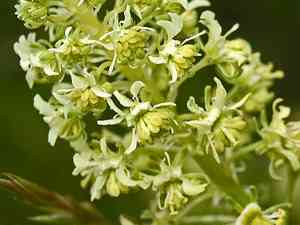
Rampion mignonette, a perennial herb featuring fragrant flower clusters, thrives with consistent trimming to stimulate robust development and flowering. In spring, prune rampion mignonette to eliminate any deceased or compromised parts. Throughout the summer, remove faded blossoms to foster additional flowering. As autumn arrives, cut back rampion mignonette to preserve its form and ready it for the colder months. This practice improves the plant's appearance, wards off illness, and should be performed with disinfected, sharp cutting tools for clean incisions.
Advantages of Trimming Rampion Mignonette
Advantages of Trimming Rampion Mignonette
Trimming rampion mignonette encourages robust development by directing the plant's energy towards cultivating strong, healthy shoots. Consistent cutting helps preserve its intended form, fostering a more compact and visually appealing structure.
Optimal Time for Trimming Rampion Mignonette
Optimal Time for Trimming Rampion Mignonette
Trimming rampion mignonette in late spring coincides with its post-flowering stage, enabling the removal of faded blossoms to promote further blooming or to maintain its shape. Early summer pruning is advantageous for thinning out dense growth and enhancing air circulation, which can boost rampion mignonette's health. Minimal pruning should occur in early fall, focusing on eliminating any dead or diseased parts before dormancy. This helps prevent disease spread and prepares rampion mignonette for winter, ensuring no harm to new bud formation for the next growing season.
Necessary Tools for Trimming Rampion Mignonette
Bypass Pruners
Perfect for making clean cuts on the green stems of rampion mignonette, bypass pruners inflict less damage to plant tissues, aiding in better recovery.
Gardening Shears (Scissors)
Excellent for snipping off dead or yellowing leaves of rampion mignonette, gardening shears offer the precision required to maintain the plant's shape without excessive trimming.
Hand Gloves
Though not a cutting tool, gloves are crucial for safeguarding the gardener's hands from thorns or sharp edges when trimming rampion mignonette.
How to Trim Rampion Mignonette
Sanitize
Before beginning the trimming process, ensure that pruning tools are disinfected to prevent disease transmission. Clean cuts will facilitate quicker healing in rampion mignonette.
Identify
Examine rampion mignonette to locate all withered leaves that require removal. These are typically brown, dry, and may appear crinkled or curled.
Cut
Utilize sharp pruning shears to make precise cuts, detaching withered leaves where they connect to the stem or branch. Be careful not to harm any healthy sections of rampion mignonette.
Clear
After trimming, remove all clippings from the area to deter pests and diseases. This will keep rampion mignonette healthy and prevent potential issues from arising.
Inspect
Following trimming, examine rampion mignonette to confirm that all undesirable withered leaves have been removed and that the plant retains a good shape and structure.
Common Trimming Errors with Rampion Mignonette
Excessive Trimming
Removing too much foliage from rampion mignonette can weaken it, making it susceptible to diseases and pests. It's important to trim no more than one-third of the plant at a time.
Incorrect Tool Usage
Using dull or unclean pruning tools can result in jagged cuts and introduce harmful pathogens to rampion mignonette. Always use sharp, sterilized pruning shears.
Trimming Healthy Growth
Cutting away healthy growth instead of only dead or diseased stems can limit rampion mignonette's blooming potential and overall vitality.
Ignoring Plant Structure
Trimming without considering rampion mignonette's natural form can lead to an unbalanced and unhealthy plant. Understand the plant's growth habit before making cuts.
Trimming Without Purpose
Randomly trimming rampion mignonette without a specific goal, such as shaping the plant or removing damaged parts, can cause more harm than good.
Neglecting Disinfection
Failing to clean tools before and after trimming rampion mignonette can spread disease among different plants in the garden.
General Trimming Advice for Rampion Mignonette
Deadheading
Regularly removing spent flowers from rampion mignonette can encourage more blooms and prevent the plant from expending energy on seed production.
Selective Trimming
Focus trimming on dead or diseased stems to promote healthier growth in rampion mignonette, and to maintain good air circulation within the plant.
Rejuvenation Trimming
Periodically cut back older stems of rampion mignonette to the ground to stimulate fresh growth and prevent legginess.
Consider Plant Age
Young rampion mignonette plants require minimal trimming to establish themselves, while mature plants may benefit from periodic thinning.
Preserving Buds
Avoid cutting off new buds unless they are damaged, as this will diminish rampion mignonette's flowering potential.
Visualize Before Cutting
Envision the desired shape and outcome before trimming rampion mignonette. Plan the cuts to preserve the plant's natural form.



