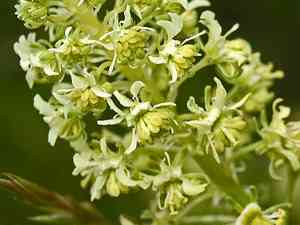
Rampion mignonette (Reseda phyteuma)
Also known as: Rampion Mignonette
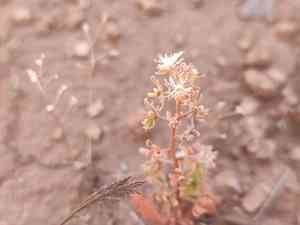
Rampion mignonette thrives in disturbed and waste areas. This biennial plant features upright stems with waxy leaves and delicate white blossoms. Its numerous flowers attract a variety of bees and butterflies.
In This Article
Attributes of Rampion mignonette
Lifespan
Annual, Biennial
Plant Type
Herb
Plant Height
10 cm to 50 cm
Spread
Not applicable; herbaceous plant without a woody crown
Leaf Color
Green
Flower Size
6 mm to 8 mm
Flower Color
Yellow Green
Images of Rampion mignonette
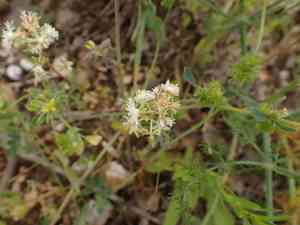
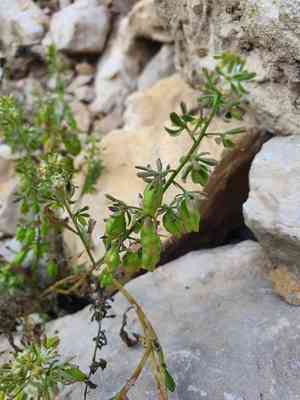
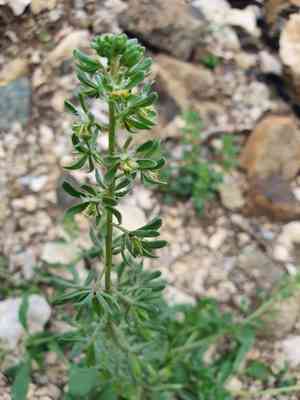
Quickly Identify Rampion mignonette
1
Reseda phyteuma can be identified by its tall, slender stems, which can grow up to 60 cm in height. The leaves are narrow and elongated, and the plant produces dense clusters of small, greenish-yellow flowers.
Scientific Classification of Rampion mignonette
Phylum
Vascular plants
Class
Dicotyledons
Order
Brassicales
Family
Mignonette
Genus
Mignonettes
Species
Rampion mignonette
Planting and Growing of Rampion mignonette
Care Difficulty
Easy
Watering Schedule
Every 3 days
Sunlight Requirements
Partial sun
Sunshine Duration
4-8 hours
Ideal Temperature
68-77℉
Soil Type
Potting Mix, Peat Mix
Soil pH
6.5-7.5
Fertilizer Type
Balanced
Pruning Season
Spring, Summer
Pruning Area
Branches, Leaves
Pruning Frequency
2 times a year
Repotting Season
Spring
Pot Type
Plastic, Ceramic
 How to Water Rampion mignonette?
For Reseda phyteuma, the watering amount should ensure the soil is moist but not soggy. Water until you see moisture appear at the drainage holes, indicative of 200 ml of water, ensuring the entire root system receives adequate moisture.
What are the symptoms of an underwatered Rampion mignonette?
›
What should I do if my Rampion mignonette is not getting enough water?
›
What are the symptoms of an overwatered Rampion mignonette?
›
How to save an overwatered Rampion mignonette?
›
 What Are the Sunlight Requirements for Rampion mignonette?
Reseda phyteuma ideally enjoys partial to full sun. This light range supports optimal growth by facilitating sufficient energy for photosynthesis while preventing overexposure that could potentially harm the plant's foliage.
How much sunlight does Reseda phyteuma need?
›
What are the optimal conditions for sunlight exposure?
›
How does proper sunlight exposure benefit Reseda phyteuma?
›
 What Is the Ideal Temperature Range for Rampion mignonette?
Reseda phyteuma thrives best in an ideal temperature range of 68°F to 77°F. This range allows the plant to carry out photosynthesis efficiently while minimizing stress on its physiological processes. Maintaining temperatures within this range ensures optimal growth and blooming.
 What Soil is Best for Rampion mignonette?
Reseda phyteuma thrives in well-drained soil, preventing waterlogging that can suffocate the roots. This allows for healthy root aeration and promotes vigorous growth and flowering, ensuring a vibrant display. This plant prefers moderately fertile soil that provides essential nutrients. Adequate nutrition helps it maintain its lush green foliage and robust stems, making it more resilient to pests and diseases. While Reseda phyteuma does not tolerate standing water, it benefits from consistent moisture. This balance ensures that the plant is hydrated, fostering growth without the risk of root rot.
 How to Fertilize Rampion mignonette?
For Reseda phyteuma, the fertilization amount should be moderate. When using liquid fertilizers, apply a solution that is diluted by half, around 5 ml per liter of water. Over-fertilizing can lead to nutrient burn, so it's crucial to follow recommended guidelines closely. As for slow-release fertilizers, use approximately 30 grams per plant, ensuring evenly distributed application around the root zone.
 How to Prune Rampion mignonette?
Start by inspecting the plant for any dead or diseased branches and remove them using sharp pruning shears. Focus on thinning out the interior to increase air circulation. Trim back overgrown sections to maintain the desired shape, cutting just above a healthy bud to encourage new growth.
More About Pruning Techniques→
 How to Propagate Rampion mignonette plant?
1
Fill a seed tray with a well-draining potting mix. Moisten the mix lightly before sowing the seeds to ensure even germination.
2
Select a healthy plant section to take cuttings from. Cut at a node or just below a leaf joint to maximize root development.
3
Gently dig up a mature plant and separate it into sections, ensuring each section has roots attached. Replant immediately in a prepared spot.
 How to Repot Rampion mignonette plant?
1
Reseda phyteuma shows it's time for repotting when its roots start to spiral in the current pot or when growth seems stunted despite regular care. Ideally, repot in early spring or late summer when the plant is not in active bloom.
2
Select a pot slightly larger than the current one to allow room for growth. Ensure it has ample drainage holes to prevent waterlogging. This helps maintain healthy root systems by preventing root rot and facilitating proper aeration.
3
Opt for a well-draining, loamy soil mix that can retain some moisture without becoming waterlogged. A loamy mix provides the necessary nutrients for growth while facilitating good water drainage for Reseda phyteuma.
Learn More About Rampion mignonette Diseases
Anthracnose
Bacterial Leaf Spot
Bacterial Soft Rot
Bacterial Wilt
Chemical Injury
Damping-off
Downy Mildew
Drought Stress
Fusarium Wilt
Gray Mold
Leaf Curl
Leaf Spot
Mosaic
Nutrient Deficiency
Nutrient Toxicity
Powdery Mildew
Root Rot
Root-knot Nematode
Rusts
Sooty Mold
Spider Mites
Temperature Stress
Thrips Damage
White Mold



