The Rampion mignonette Plant Advantage: Maximizing Home and Office Appeal and Wellness
1
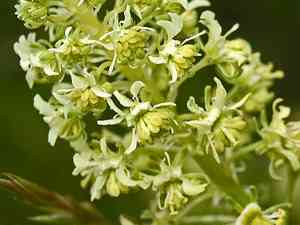
This flora is recognized for its significant environmental benefit, enhancing ground quality.
2
It offers a dwelling place for numerous advantageous insects.
3
The botanical specimen has historically been utilized for its fragrant qualities.
What are the Environmental Advantages of Rampion mignonette?
Soil Quality Improvement
A key environmental advantage of Rampion mignonette is its capacity to improve soil quality. This plant species enhances soil structure by reducing erosion and adding organic matter. Its roots are vital in binding soil particles, which minimizes soil loss during heavy rainfall. Furthermore, as it decomposes, it returns valuable nutrients to the soil, fostering a healthier and more fertile environment for other vegetation.
Support for Beneficial Insects
Rampion mignonette provides an excellent habitat for various beneficial insects, including pollinators and natural pest predators. By offering shelter and food sources, this plant supports biodiversity and promotes a more balanced ecosystem. It attracts bees, butterflies, and other insects essential for pollinating many crops and wild plants, thereby sustaining overall ecosystem health.
How Does Rampion mignonette Benefit Human Well-being?
Fragrant Qualities
Rampion mignonette is valued for its fragrant qualities, traditionally used in diverse cultures. Its pleasant aroma can be incorporated into natural perfumes and essential oils. The plant's aromatic compounds can also be used in aromatherapy to encourage relaxation and well-being. The scent of Rampion mignonette is not only refreshing but also has potential mood-enhancing effects.
Nutritional Contributions
While not its primary application, certain parts of Rampion mignonette can be included in culinary practices for their nutritional advantages. The plant has been used in traditional recipes for its taste and potential health benefits. By incorporating Rampion mignonette into your diet, you can enjoy its subtle flavor along with any added nutritional value it may offer.
What are the Cultural and Traditional Applications of Rampion mignonette?
Traditional Craft Uses
Rampion mignonette has a rich history of use in various crafts and traditional practices. Its fibers can be employed in making ropes, baskets, and other handcrafted items. The flexibility and durability of the plant's fibers make it an excellent material for crafting. These traditional uses highlight both the plant's versatility and its importance in cultural heritage.
Use in Landscape Design
In landscape design, Rampion mignonette is appreciated for its aesthetic appeal. Its lush foliage and vibrant blooms make it a popular choice for gardens and public areas. Additionally, its ability to thrive in various soil types and conditions makes it an adaptable plant for different landscapes. Using Rampion mignonette in landscaping can enhance an area's visual charm while contributing to the local ecosystem.
Common Questions About Rampion mignonette
Can Rampion mignonette Be Cultivated in Home Gardens?
Yes, Rampion mignonette can be successfully grown in home gardens. It requires relatively little maintenance and can flourish in various soil types. For healthy growth, plant Rampion mignonette in well-drained soil and provide ample sunlight. Consistent watering and occasional fertilization will help the plant thrive.
What Pests Affect Rampion mignonette?
Rampion mignonette can be impacted by common garden pests like aphids and caterpillars. However, its resilience and the presence of natural predators typically keep pest populations in check. Implementing integrated pest management strategies, such as encouraging beneficial insects, can help mitigate pest issues without relying on chemical pesticides.



