How to Prune Woodland buttercup?
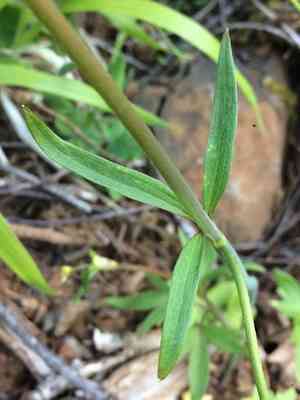
Ranunculus repens is a perennial plant characterized by its bright yellow blossoms and deeply divided foliage. To achieve peak development, trim Ranunculus repens in the early spring or late winter, prior to the emergence of new shoots. Remove any withered or compromised stalks and sculpt the plant by shortening excessive portions. This practice fosters more robust, denser growth and enhanced blooming. Always disinfect your implements to avert the spread of pathogens. Trimming additionally facilitates air movement and light exposure, which are crucial for sustaining the plant's well-being. Consult reliable horticultural references for comprehensive instructions.
Advantages of Trimming Woodland Buttercup
Advantages of Trimming Woodland Buttercup
Pruning woodland buttercup encourages robust development, maintains its form, boosts flowering, and improves overall vitality. Trimming helps eliminate dead or diseased sections, reducing pest problems and ensuring the plant's optimal growth.
Optimal Period for Pruning Woodland Buttercup
Optimal Period for Pruning Woodland Buttercup
Early spring and late winter are considered ideal for pruning woodland buttercup, allowing the plant to recover swiftly before its active growth phase begins. Pruning during these times minimizes plant stress, lowers disease risk, and promotes healthier growth and blooms. A trim before the spring bloom ensures vibrant flowers and preserves the garden's aesthetic.
Tools Required for Pruning Woodland Buttercup
Hand Pruners
Hand pruners are crucial for woodland buttercup due to their accuracy and control, enabling gardeners to precisely trim and shape the plant without unnecessary harm.
Bypass Pruners
Bypass pruners are especially useful for woodland buttercup as they deliver a clean cut on live stems and branches, reducing disease risk and promoting quicker healing.
Pruning Shears
Pruning shears are beneficial for maintaining woodland buttercup's general shape and size, particularly in areas requiring more detailed trimming.
Sterilizing Solution
Using a sterilizing solution to clean tools before and after pruning helps prevent pathogen spread and ensures optimal plant health.
How to Prune Woodland Buttercup
Identify damaged parts
Carefully inspect woodland buttercup for any diseased or withered foliage. Note areas that appear unhealthy or dead.
Prepare tools
Select a pair of sterilized, sharp pruning shears to make clean cuts without harming the plant.
Cut diseased leaves
Remove diseased leaves by cutting them close to the base of the leaf stem. Ensure you do not damage healthy parts of woodland buttercup.
Trim withered leaves
Trim withered leaves in the same manner as diseased leaves, making cuts close to the base of the leaf stem without harming surrounding healthy growth.
Dispose trimmings
Properly discard diseased and withered leaves to prevent any potential spread of disease or pests to other plants.
Common Pruning Errors with Woodland Buttercup
Improper technique
Using dull or unclean tools, which can damage plant tissue and introduce diseases.
Over-pruning
Removing too much foliage, which can stress woodland buttercup and hinder its growth and flowering.
Timing errors
Pruning at the wrong point in the growth cycle, which can lead to reduced blooming and stunted development.
Cut location
Making cuts too close to the main stem or too far from a node, resulting in poor regrowth or dieback.
General Pruning Advice for Woodland Buttercup
Use clean tools
Always use sharp, clean pruning shears to make precise cuts and minimize disease risk.
Minimal cuts
Prune sparingly by removing only dead, damaged, or diseased stems and leaves, ensuring the plant retains enough foliage for healthy photosynthesis.
Focus on airflow
Thin out crowded areas to enhance air circulation within the plant, which helps prevent fungal issues.
Cut above nodes
Make cuts just above a node (where leaves or buds are), encouraging healthier regrowth and better blooms.
Monitor plant health
Regularly check woodland buttercup for signs of disease or pest infestation and promptly prune affected areas to prevent spread.



