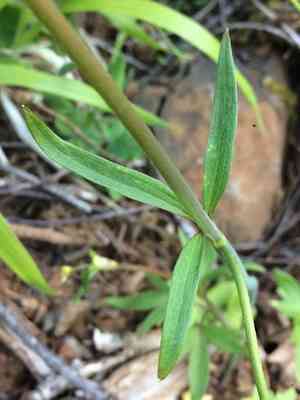
Woodland buttercup (Ranunculus uncinatus)
Also known as: Hooked Buttercup
The Water Forget-Me-Not is a perennial herbaceous plant that showcases its delicate blue flowers, blooming predominantly in the cooler seasons. The flowers have an unmistakable charm, paired with the plant's verdant, lance-shaped leaves. Inhabiting montane and aquatic environments, the Water Forget-Me-Not has hook-like seed appendages that facilitate its spread by attaching to animals and humans, aiding in its successful propagation within its natural habitat.
In This Article
Attributes of Woodland buttercup
Lifespan
Perennial
Plant Type
Herb
Plant Height
15 cm to 61 cm
Spread
Not applicable
Leaf Color
Green
Flower Size
1-2 cm
Flower Color
Yellow
Images of Woodland buttercup
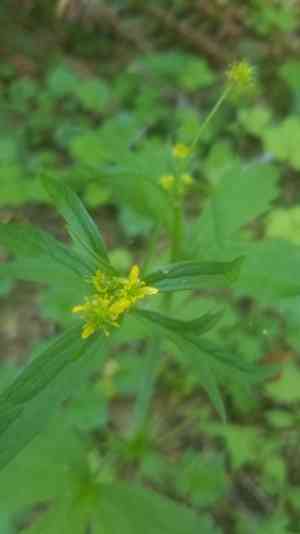
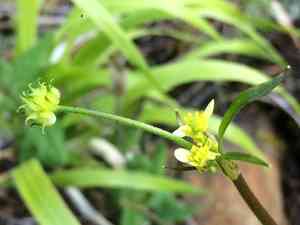
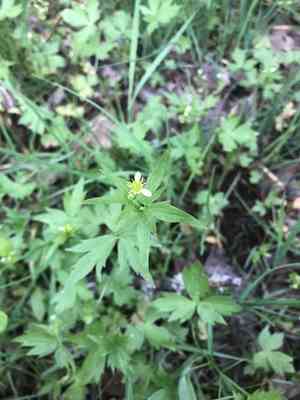
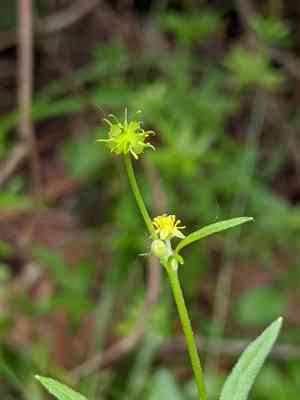
Quickly Identify Woodland buttercup
1
Ranunculus uncinatus can be identified by its small yellow flowers with five petals and numerous stamens. The plant has a distinctive hooked or curved tip on its fruit, which helps in identification. The leaves are typically divided into three parts and have a coarse texture.
Scientific Classification of Woodland buttercup
Phylum
Vascular plants
Class
Dicotyledons
Order
Ranunculales
Family
Buttercup
Genus
Ranunculus
Species
Woodland buttercup
Planting and Growing of Woodland buttercup
Care Difficulty
Moderate
Watering Schedule
Every 4 days
Sunlight Requirements
Partial sun
Sunshine Duration
6-10 hours
Ideal Temperature
55-75℉
Soil Type
Potting Mix, Peat Mix
Soil pH
6.5-7.5
Fertilizer Type
Balanced
Pruning Season
Spring, Summer
Pruning Area
Branches, Leaves
Pruning Frequency
2 times a year
Repotting Season
Spring
Pot Type
Plastic, Ceramic
 How to Water Woodland buttercup?
Ranunculus uncinatus prefers soil that is consistently moist but not waterlogged. The ideal watering amount is 250 milliliters, ensuring the top inch of soil is damp without pooling water. This plant's root system needs moisture without prolonged saturation, as too much water can cause root rot.
What are the symptoms of an underwatered Woodland buttercup?
›
What should I do if my Woodland buttercup is not getting enough water?
›
What are the symptoms of an overwatered Woodland buttercup?
›
How to save an overwatered Woodland buttercup?
›
 What Are the Sunlight Requirements for Woodland buttercup?
Partial sun to full shade environments offer the perfect balance for Ranunculus uncinatus, promoting rich foliage and vivid blossoms without risking damage from excessive direct sunlight.
How much sunlight does Ranunculus uncinatus need?
›
How to ensure ample sunlight?
›
Benefits of ideal lighting for Ranunculus uncinatus
›
 What Is the Ideal Temperature Range for Woodland buttercup?
Ranunculus uncinatus thrives best in temperatures ranging from 55°F to 75°F. This range allows the plant to maintain optimal metabolic activities without undue stress.
 What Soil is Best for Woodland buttercup?
Ranunculus uncinatus thrives in well-drained soil as it prevents root rot and other fungal diseases. Proper drainage allows roots to access oxygen more easily, promoting healthy growth and vibrant blooms in your flowering plants. This plant flourishes in soil rich in organic matter, providing essential nutrients for lush leaf development. Nutrient-dense soil supports robust plant health and helps ward off pests, ensuring your Ranunculus uncinatus stays vibrant. Maintaining consistent soil moisture is key for Ranunculus uncinatus, preventing wilting and ensuring continuous growth. Moist, but not waterlogged soil helps the plant absorb nutrients efficiently, leading to healthier and more abundant flowering.
 How to Fertilize Woodland buttercup?
The ideal fertilization amount for Ranunculus uncinatus involves using a balanced liquid fertilizer diluted to half strength. Apply around 100 ml of the diluted solution per plant to ensure it receives necessary nutrients without risk of over-fertilization.
 How to Prune Woodland buttercup?
Carefully inspect the plant to distinguish healthy leaves from the dead or diseased ones. Remove the wilted flowers to redirect energy toward new blooms. Don't be hesitant during pruning; this plant benefits from regular shearing. Employ sharp, clean pruning shears to make precise cuts. This minimizes damage to the plant and reduces the risk of infections. Always sterilize your tools before and after use to prevent disease spread. Cut at a 45-degree angle just above a leaf node to encourage new growth. Make sure to remove any crossing branches that might rub wounding the plant.
More About Pruning Techniques→
 How to Propagate Woodland buttercup plant?
1
Collect seeds from mature Ranunculus uncinatus plants. Clean them thoroughly and dry them. Prepare a seed tray with a high-quality potting mix, then sow seeds evenly at a shallow depth and cover lightly with soil.
2
Place the seed trays in a warm, bright location but out of direct sunlight. Maintain consistent moisture using a spray bottle to mist the soil. Seeds typically germinate within one to two weeks if conditions are optimal.
3
Dig up mature Ranunculus uncinatus plants carefully, ensuring the roots are not damaged. Use a sharp spade to divide the root ball or clumps into smaller sections, ensuring each section has healthy roots and shoots before planting them in separate locations.
 How to Repot Woodland buttercup plant?
1
For Ranunculus uncinatus, signs for repotting include roots growing out of the drainage holes, slowed growth, or soil that dries out immediately after watering. Spring is ideal because the plant can best adapt to the fresh soil.
2
Select a pot slightly larger than the current one with ample drainage holes. A larger pot provides space for roots to expand, prevents waterlogging, and supports healthy growth.
3
A well-draining loamy mix prevents root rot by ensuring excess water flows out. This soil also retains nutrients vital for the plant's development, promoting robust and vibrant plants.
Toxicity
Ingestion and skin absorption
WARNING
The judgment on toxicity and danger is for reference only. We DO NOT GUARANTEE any accuracy of such judgment. Therefore, you SHALL NOT rely on such judgment. It is IMPORTANT TO SEEK PROFESSIONAL ADVICE in advance when necessary.
Learn More About Woodland buttercup Diseases
Anthracnose
Bacterial Leaf Spot
Bacterial Soft Rot
Bacterial Wilt
Damping-off
Downy Mildew
Drought Stress
Fusarium Wilt
Gray Mold
Leaf Spot
Mosaic
Nutrient Deficiency
Nutrient Toxicity
Powdery Mildew
Root Rot
Root-knot Nematode
Rusts
Sooty Mold
Spider Mites
Temperature Stress
Thrips Damage
White Mold



