How to Propagate Woodland buttercup?
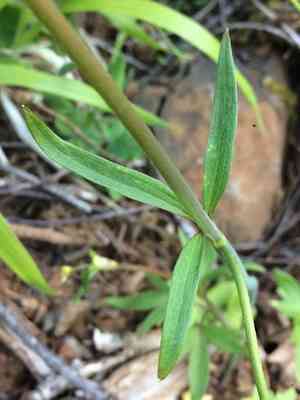
The woodland buttercup, a fragile botanical specimen, frequently thrives in damp forested environments. To propagate this species, plant its seeds in soil that drains effectively and provide dappled sunlight to replicate its native habitat. Regular irrigation, avoiding excessive saturation, assists in germination. Utilizing a seed tray can enhance management of the growing environment. As germination can be protracted, perseverance is essential. Vigilantly observe for infestations and ailments to guarantee robust plant growth. These actionable recommendations contribute to the successful propagation of woodland buttercup.
Optimal Time for Woodland Buttercup Propagation
Propagation Type
Sowing
Propagation Season
Spring
Tools for Woodland Buttercup Propagation
Seed Tray
Seed trays offer a controlled and organized setting for planting woodland buttercup seeds. They enable close observation of moisture and growth, ensuring successful germination.
Seed Compost
Employing seed compost delivers the appropriate nutrient blend and excellent drainage vital for woodland buttercup seeds to sprout and establish robust root systems.
Watering Can with Fine Rose
A watering can equipped with a fine rose attachment aids in providing a gentle, uniform water distribution, preventing soil disruption or displacement of woodland buttercup seeds.
Labeling Stakes
Labeling stakes are crucial for tracking various seed types sown in trays, ensuring precise identification and care for woodland buttercup.
Humidity Dome
A humidity dome maintains elevated humidity levels and consistent temperatures, creating an ideal microenvironment essential for the successful germination of woodland buttercup.
Spray Bottle
A spray bottle is utilized to lightly mist the soil, keeping the surface damp without over-saturating it, which is vital for woodland buttercup seeds during their initial germination phases.
Seed Sower
A seed sower assists in the even distribution of small seeds, such as those of woodland buttercup, ensuring uniform planting density and minimizing the risk of overcrowding.
Heat Mat
A heat mat provides steady, gentle bottom warmth, which can accelerate germination rates for woodland buttercup in cooler climates or during colder periods.
How to Propagate Woodland Buttercup?
Propagation Type
Easy
Caring for Newly Propagated Woodland Buttercup
Caring for Newly Propagated Woodland Buttercup
Once woodland buttercup seedlings have emerged and developed a pair of true leaves, gradually introduce them to outdoor conditions by placing them outside for a few hours daily, extending the duration over a week. Transplant the seedlings into their permanent spot in well-drained, rich soil. Water regularly to keep the soil consistently moist but avoid waterlogging. Monitor for pests and diseases, and remove any weeds that might compete with woodland buttercup for nutrients and space.
Common Errors to Avoid When Propagating Woodland Buttercup
Overwatering
Excessive watering can lead to root rot, harming the plant's growth and reducing propagation success.
Inadequate light
Insufficient light can impede the plant's photosynthesis, weakening it and hindering propagation efforts.
Incorrect soil type
Using soil that drains poorly can retain too much moisture, which is detrimental to the plant's roots.
Improper handling of cuttings
Rough handling of stems or roots can cause physical damage, making the plant more vulnerable to diseases and decreasing the likelihood of successful propagation.
Ignoring pests
Pests can severely damage the plant's foliage and roots, impacting overall health and propagation success.
Tips For Propagating Woodland Buttercup
Moderate watering
Ensure the soil is moist but not waterlogged, allowing for proper root development.
Bright, indirect light
Position the plant in a spot where it can receive ample but indirect sunlight to encourage healthy growth.
Well-draining soil
Utilize a soil mix that promotes good drainage to prevent root rot and other moisture-related issues.
Gentle handling
Handle cuttings with care, using clean tools to avoid infections and maximize the chances of successful rooting.
Regular pest inspection
Check the plant regularly for pests and treat promptly to maintain the plant's health and ensure smooth propagation.



