How to Prune Sandpaper oak?
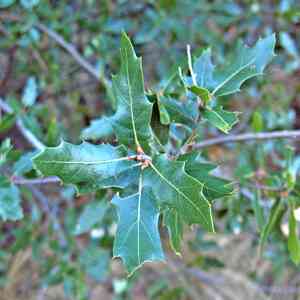
Recognizable by its coarse, abrasive foliage, sandpaper oak thrives with trimming performed from late winter through early spring to stimulate vigorous development. Essential methods involve excising lifeless or ailing limbs, reducing dense sections to facilitate light access, and sculpting the specimen. Undertaking pruning during its inactive period lessens strain and diminishes the likelihood of illness. Consistent trimming fosters a sturdy framework, improving air movement and general plant vitality, which is crucial for sandpaper oak's peak condition.
What Are the Benefits of Pruning Sandpaper Oak?
What Are the Benefits of Pruning Sandpaper Oak?
Pruning Sandpaper oak promotes vigorous development and maintains its form, ensuring robust growth and an attractive appearance. Regular trimming also boosts its resistance to pests and diseases, enhancing its overall health.
What Is the Best Time for Pruning Sandpaper Oak?
What Is the Best Time for Pruning Sandpaper Oak?
Trimming Sandpaper oak in early spring and late winter is ideal as it aligns with the plant's dormant state, minimizing disease and pest risks. Pruning during dormancy allows for rapid healing once the growing season begins, fostering healthy growth and reducing stress. This timing also avoids disrupting its flowering or fruiting cycles, ensuring uninterrupted development.
What Tools Do I Need to Prune Sandpaper Oak?
Bypass Pruners
Perfect for cutting live branches up to ¾ inch in diameter. They deliver a clean cut, crucial for the health and structure of Sandpaper oak.
Lopping Shears
Useful for branches up to 2 inches in diameter. Their long handles provide extra leverage, simplifying cuts through thicker branches without harming the plant.
Pruning Saw
Essential for branches exceeding 2 inches in diameter. A pruning saw is vital for clean cuts that minimize damage to Sandpaper oak.
Pole Pruner
Enables reaching higher branches without a ladder. This tool is beneficial for maintaining the shape and health of taller parts of Sandpaper oak.
Hand Pruners
Effective for precise cuts on smaller twigs and branches. This tool is important for detailed work to preserve Sandpaper oak's overall aesthetic.
How to Prune Sandpaper Oak
Preparation
Gather necessary pruning tools like sharp, sanitized pruning shears, loppers, and a pruning saw to ensure clean cuts and prevent disease spread.
Inspection
Carefully examine Sandpaper oak for any dead or diseased branches. These often appear discolored, brittle, or have an unusual growth pattern compared to healthy branches.
Removal of Dead Branches
Cut dead branches back to the nearest healthy growth point, making the cut at a 45-degree angle to promote better healing and reduce water damage.
Removal of Diseased Branches
When removing diseased branches, cut at least 6-12 inches below visible disease into healthy wood to ensure complete removal. Clean pruning tools between cuts to prevent pathogen spread.
Disposal
Properly dispose of all pruned material, especially diseased branches, by burning or placing them in a green waste bin to prevent reinfection of Sandpaper oak or nearby plants.
Common Pruning Mistakes with Sandpaper Oak
Over-pruning
Removing too much of the plant at once can stress Sandpaper oak and reduce its photosynthetic efficiency, potentially hindering growth.
Poor technique
Using dull or dirty tools can damage plant tissue, leading to disease and pest infestations.
Incorrect cuts
Making flush cuts or leaving stubs can impede the plant's natural healing process, resulting in decay or undesirable growth patterns.
Pruning at wrong times
Pruning outside recommended periods can disrupt the plant's natural growth cycle and expose it to environmental stressors.
Ignoring plant structure
Not understanding Sandpaper oak's natural growth habit can lead to shaping it in an unnatural or harmful way.
Common Pruning Tips for Sandpaper Oak
Use clean, sharp tools
Always ensure your pruning shears, saws, and loppers are sterilized before use to prevent disease transmission.
Make precise cuts
Cut just above a bud or growth point, angling the cut slightly to allow water to drain and reduce rot risk.
Avoid heavy pruning
Limit pruning to first removing dead, damaged, or diseased branches. For shaping or size control, prune lightly to avoid shocking the plant.
Follow natural shape
Understand and respect Sandpaper oak's natural form. Aim to enhance its shape rather than drastically altering it.
Remove crossing branches
Eliminate branches that cross or rub against each other to improve air circulation and prevent damage during growth.



