How to Propagate Sandpaper oak?
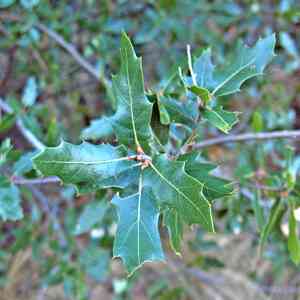
Quercus pungens, a resilient oak variety indigenous to the southwestern U.S., flourishes in stony, porous ground. To achieve effective propagation, collect robust semi-hardwood cuttings during periods of active development. Verify that cuttings measure approximately 4-6 inches in length and retain several leaves. Submerge the severed tip in rooting compound and embed in a damp, well-ventilated growing medium. Sustain elevated humidity and diffused sunlight until root systems emerge. Relocate to a permanent site once vigorous new foliage is evident.
Optimal Time for Sandpaper Oak Propagation
Propagation Type
Cutting
Propagation Season
Autumn,Winter
Tools for Sandpaper Oak Propagation
Pruning Shears
Utilized for taking clean cuttings from sandpaper oak. A sharp blade minimizes harm to the parent plant and promotes faster healing and root growth in the cutting.
Rooting Hormone
Helps stimulate root development in sandpaper oak cuttings. Especially beneficial for increasing the success rate of root formation, particularly in woody plants like sandpaper oak.
Propagating Tray
Holds sandpaper oak cuttings in a controlled setting. Allows for organized and efficient handling of multiple cuttings, ensuring consistent moisture and reducing disease risk.
Misting Bottle
Delivers a fine spray to maintain the necessary humidity around sandpaper oak cuttings. Prevents cuttings from drying out, which is vital for the rooting process.
Sterilized Growing Medium
Provides a disease-free, nutrient-balanced environment for sandpaper oak cuttings to develop roots. A blend of sand, perlite, and peat moss is ideal for this purpose.
Heating Mat
Maintains an optimal root zone temperature, crucial for sandpaper oak cutting root development. Enhances the speed and success rate of the rooting process.
Plastic Dome or Enclosure
Creates a humid and warm micro-environment for sandpaper oak cuttings. Reduces evapotranspiration and keeps cuttings hydrated and healthy.
Sharp Knife or Scalpel
Used for precise cuts to avoid crushing plant tissue. Precision in cutting helps reduce stress on sandpaper oak cuttings and improves rooting success.
Propagating Sandpaper Oak
Propagation Type
Moderately Difficult
Caring for Newly Propagated Sandpaper Oak
Caring for Newly Propagated Sandpaper Oak
After successful propagation, gradually introduce sandpaper oak to outdoor conditions if grown indoors. Ensure the plant is placed in well-draining soil with adequate sunlight. Water young plants regularly until they are well-established, typically within the first one to two years. Monitor for pests or diseases, treating as needed. Prune any damaged or diseased branches to maintain plant health. Fertilize sparingly, as excessive fertilization can harm sandpaper oak.
Common Propagation Mistakes for Sandpaper Oak
Overwatering
Excessive moisture can lead to root rot and fungal diseases, severely impacting the plant's health and its ability to establish roots.
Using Inappropriate Soil
Planting sandpaper oak in heavy, clay-rich soil can impede drainage and root growth, leading to poor development.
Shallow Planting
Planting seeds or cuttings too shallow can expose them to desiccation and improper root development.
Ignoring Pests and Diseases
Neglecting to monitor for pests and diseases can lead to unchecked damage, stunting growth or killing young plants.
Tips For Propagating Sandpaper Oak
Well-Drained Soil
Use a mix that ensures excellent drainage, such as sandy or loamy soil, to prevent waterlogging.
Deep Planting
Plant seeds or cuttings at an appropriate depth to protect them from drying out and to encourage robust root systems.
Consistent Monitoring
Regularly check for signs of pests and diseases and take immediate action to mitigate any identified threats.
Moderate Watering
Water the plants moderately, ensuring the soil remains moist but not waterlogged.



