How to Prune Emory Oak?
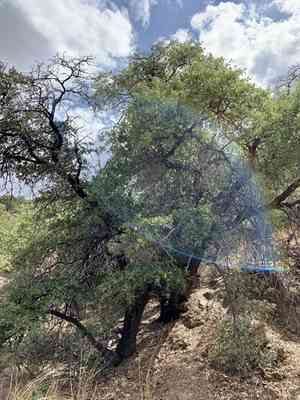
Emory Oak, a resilient deciduous tree recognized for its acorn yield, flourishes with infrequent trimming. Conduct pruning during its dormant period in winter to eliminate deceased or ailing limbs, preserve its form, and stimulate vigorous development. Judiciously thinning the crown improves air movement and light exposure. Refrain from extensive cutting, as this can cause stress to the tree. Maintaining this variety through pruning contributes to its extended lifespan and strength, securing its prominent presence in indigenous environments.
Advantages of Trimming Emory Oak
Advantages of Trimming Emory Oak
Trimming emory Oak encourages robust development and maintains a desired form. Strategic cuts enhance light penetration and air circulation, fostering a strong structure and boosting overall health.
Optimal Period for Pruning Emory Oak
Optimal Period for Pruning Emory Oak
Pruning emory Oak in late winter to early spring allows for the removal of any compromised or ailing branches before the plant enters its active growth phase. This timing minimizes sap loss, which is low during dormancy, reducing stress on emory Oak. Furthermore, pruning prior to the spring growth spurt ensures that cuts heal faster as new growth commences. This period also enables gardeners to better observe emory Oak's structure without leaves obstructing the branches. Avoiding autumn pruning can prevent the spread of fungal diseases, which are more common in the moist conditions often found at this time of year. By adhering to these guidelines, gardeners help emory Oak conserve energy for healthy growth and maintain a strong structure, while minimizing disease risk and ensuring optimal healing and recovery.
Necessary Tools for Pruning Emory Oak
Hand Pruners
Perfect for severing small branches up to 3/4 inch in diameter, enabling precise cuts on emory Oak.
Lopping Shears
Featuring longer handles, these tools offer leverage for cutting branches 1.5 to 2 inches thick, suitable for emory Oak's medium-sized branches.
Pruning Saws
Designed for larger limbs exceeding 2 inches in diameter, a pruning saw's sharp teeth are appropriate for emory Oak's mature branches.
Pole Pruners
Useful for cutting branches up to 2 inches thick that are out of reach, optimizing the shaping and health of emory Oak without needing a ladder.
Hedge Shears
Generally not required for emory Oak, as these tools are better suited for shaping hedges rather than oaks.
How to Prune Emory Oak
Cleaning
Using sterilized pruning tools, remove all dead branches from emory Oak by cutting at the branch's base where it meets the trunk or a larger branch to promote wound closure and prevent disease.
Thinning
Identify and remove diseased branches on emory Oak. Make cuts at an angle away from the trunk to ensure water drains off the wound, reducing the risk of further disease.
Disinfect
Disinfect pruning tools after each cut on diseased branches to prevent spreading pathogens to healthy parts of emory Oak.
Cut Smoothing
Smooth out any rough edges left from cuts on emory Oak to optimize the plantâs healing process and reduce hiding spots for pests.
Inspection
Conduct a final inspection of emory Oak to ensure all dead and diseased branches have been removed, and no stubs or ragged edges remain where disease could enter.
Common Pruning Errors with Emory Oak
Excessive Pruning
Removing too much foliage can stress emory Oak, diminishing vitality and leading to poor growth or susceptibility to disease.
Cutting Too Close
Severing flush against the trunk can harm the collar area, impeding proper healing and potentially leading to decay.
Tearing Branches
Improper technique may cause branches to tear, creating large wounds that heal slowly and may attract pests or disease.
Using Dull Tools
Dull pruning tools can crush or damage branches on emory Oak, leading to ragged cuts that are more prone to infection.
Pruning Diseased Wood
Carelessly pruning diseased branches without sterilizing tools can spread pathogens throughout emory Oak.
Neglecting Tool Hygiene
Failing to clean tools between cuts and plants can introduce disease to healthy parts of emory Oak or to other plants.
General Pruning Advice for Emory Oak
Precise Cuts
Make clean cuts at a slight angle just above outward-facing buds to encourage proper growth direction and prevent water accumulation.
Sharp Tools
Use sharp, clean pruning shears or saws to make precise, clean cuts that heal more rapidly on emory Oak.
Selective Thinning
Focus on removing only dead, damaged, or crossing branches to maintain emory Oak's natural shape and promote air circulation within the canopy.
Branch Collar Respect
Cut outside the branch collar but do not leave a stub, as this allows emory Oak to heal more effectively and protects against disease.
Tool Sterilization
Disinfect pruning tools before and after use on emory Oak to prevent the spread of disease.
Aftercare
Apply a thin layer of mulch around the base of emory Oak (avoiding direct contact with the trunk) to retain moisture and provide nutrients.



