Enhancing Your Garden Design with the Emory Oak Plant: A Landscaping Guide
1
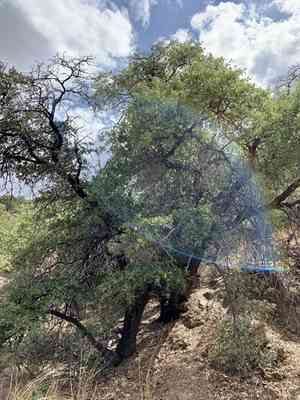
Emory Oak adapts well to diverse soil conditions, offering flexibility for various environments.
2
Established Emory Oak specimens offer substantial shade, enhancing both the aesthetic and utility of your outdoor space.
3
Consistent trimming and periodic maintenance are crucial for preserving the vitality and look of Emory Oak.
Introducing Emory Oak in Garden Design
Overview of Emory Oak's unique features.
Emory Oak is a sturdy and attractive tree, recognized for its strong trunk and rich, dark green leaves. It stands out due to its remarkable ability to thrive in various soil types, from rocky ground to richer, well-drained earth. This adaptability makes it an excellent option for diverse outdoor spaces. Typically, Emory Oak can reach heights of 30-40 feet, and its wide canopy offers superb shade. The leaves have a tough texture and a shiny surface, enhancing the tree's beauty year-round.
Why select Emory Oak for your garden or yard?
Choosing Emory Oak for your landscape offers numerous advantages. The tree's resilience to different weather conditions means it can flourish with minimal upkeep, making it perfect for gardeners of all skill levels. Furthermore, its deep root system helps prevent soil erosion, positively contributing to the environment. The dense foliage creates natural privacy screens and windbreaks, providing both comfort and visual appeal. Additionally, fallen Emory Oak leaves enrich the soil with organic matter, promoting a healthier garden ecosystem.
Designing with Emory Oak: Initial Steps
Assessing your landscape's requirements and Emory Oak's suitability.
Before planting Emory Oak, it's crucial to evaluate your landscape's specific needs. Consider factors such as available space, sun exposure, and soil drainage. Emory Oak thrives in areas with ample room to accommodate its mature size. It also flourishes in full sun to partial shade, making it suitable for most yard orientations. Evaluating existing plants and wildlife helps ensure Emory Oak integrates smoothly into your landscape without overshadowing other vegetation.
Preliminary considerations before planting Emory Oak.
When planning to introduce Emory Oak into your garden, begin by selecting the appropriate site. The planting location should provide sufficient space for the tree's root system and canopy development. Test the soil pH and composition to ensure it falls within the optimal range for Emory Oak – slightly acidic to neutral soils are ideal. Proper spacing is essential to prevent overcrowding and allow adequate air circulation. Also, consider the tree's watering needs, especially during its initial growth stages. Consistent watering helps establish a strong root system, though Emory Oak becomes quite drought-tolerant once mature.
Integrating Emory Oak into Your Existing Layout
How to combine Emory Oak with other plants.
To successfully incorporate Emory Oak into your current garden design, consider pairing it with plants that have compatible growth habits and water requirements. Groundcovers like creeping thyme or low-growing shrubs can enhance visual appeal while suppressing weeds around the tree's base. Flowering plants that bloom at different times of the year can create a dynamic and ever-changing garden display. By mixing perennials and annuals, you will maintain an attractive landscape throughout the year.
Choosing placement and companions for Emory Oak.
Selecting suitable companions for Emory Oak involves considering the plant's mature size and its environmental preferences. Position Emory Oak as a central feature in larger gardens or as a shade provider in smaller yards. Companion plants should be chosen based on their ability to thrive under similar soil and light conditions. For instance, drought-tolerant grasses and shrubs can coexist harmoniously with Emory Oak. Aim to create layers of vegetation that not only enhance aesthetics but also promote biodiversity and support local wildlife.
Maintenance Advice for Emory Oak in Landscapes
Basic care recommendations for a healthy Emory Oak.
Maintaining the health of Emory Oak requires consistent care and observation. Start with a regular watering schedule, which is especially important in the first few years to establish strong roots. Mulching around the base helps retain soil moisture and control weeds. Pruning is necessary to remove dead or diseased branches, promoting better air circulation and preventing pest infestations. Fertilization should be applied sparingly, as excessive fertilizing can lead to rapid growth and weaker branches.
Seasonal care techniques for Emory Oak.
Caring for Emory Oak involves being mindful of seasonal changes. In spring, fertilize lightly to encourage new growth. Summer care includes regular watering, particularly during dry periods. Fall is the time for pruning any damaged limbs and checking for signs of disease or pests. In winter, ensure the tree is well-mulched to protect its roots from cold temperatures. Regular monitoring throughout the year will help catch any issues early and keep your Emory Oak thriving.
Creative Concepts for Using Emory Oak in Landscape Design
Unique design themes with Emory Oak as the central element.
Emory Oak can serve as an exceptional focal point for various landscape design themes. For a rustic, woodland aesthetic, combine Emory Oak with native plants and natural elements like boulders and wooden benches. If you prefer a more formal garden, position Emory Oak symmetrically with well-maintained lawns and neatly trimmed hedges. Its sturdy trunk and picturesque canopy lend themselves well to creating shaded seating areas, adding both function and beauty to your garden.
Combining utility and beauty with Emory Oak.
Incorporating Emory Oak into your landscape can fulfill multiple purposes. Strategically placing Emory Oak can create natural windbreaks, reduce noise pollution, and provide shade during hot summer months. By using decorative lighting to highlight the tree's structure, you can extend its visual appeal into the evening hours. Design pathways or patios around Emory Oak to encourage outdoor activities and social gatherings, making your garden a versatile space that blends functionality with aesthetic charm.



