The Emory Oak Plant Advantage: Maximizing Home and Office Appeal and Wellness
1
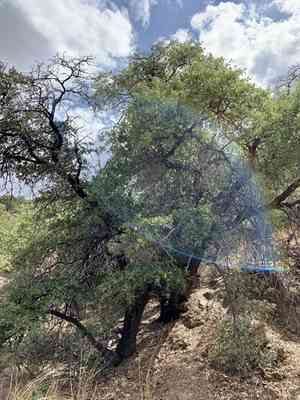
Emory Oak offers crucial living space and sustenance for animals.
2
The timber from Emory Oak is greatly prized for its resilience.
3
Emory Oak holds an important place in customary cooking methods.
What Are the Environmental Advantages of Emory Oak?
Habitat Provision
Emory Oak offers crucial living spaces for diverse wildlife. Its robust branches provide nesting spots for birds, while its foliage supports numerous insect species. Furthermore, the shade from Emory Oak helps create a cooler environment benefiting a wide array of plants and animals.
Soil Stabilization
The extensive root network of Emory Oak assists in firming up soil, preventing erosion in susceptible areas. This is especially critical in sloped terrains and regions prone to landslides. By anchoring the soil, Emory Oak not only averts soil degradation but also aids in sustaining the health of nearby vegetation.
Biodiversity Support
Emory Oak is crucial for fostering biodiversity in its native environments. It functions as a keystone species, meaning its presence strengthens the survival and well-being of various other species. The acorns produced by Emory Oak serve as a valuable food source for animals, including birds, mammals, and even insects.
Carbon Sequestration
Like many trees, Emory Oak contributes to carbon sequestration. It absorbs atmospheric carbon dioxide, thereby helping to lessen climate change. Its long lifespan allows it to store carbon for extended periods, making it a key element of carbon reduction strategies.
How Is Emory Oak Employed by People?
Wood and Timber
The timber of Emory Oak is well-known for its strength and resilience. It has been historically used in various types of construction, from crafting furniture to building residences. Its sturdiness and resistance to decay make it a preferred option for durable wood products.
Culinary Uses
Emory Oak holds a cherished position in food traditions. Its acorns, when properly prepared, can be ground into flour or utilized as a flavoring in various dishes. These culinary applications not only demonstrate the plant's adaptability but also its cultural significance in indigenous cuisines.
Traditional Crafts
The leaves and bark of Emory Oak have found applications in traditional crafts. From weaving baskets to producing dyes, the various parts of Emory Oak possess significant practical value. Artisans continue to harness these natural resources, showcasing the plant's importance in preserving cultural heritage.
Medicinal Applications
While we won't detail medical uses, it's important to note that Emory Oak has historical significance in traditional medicine. Certain communities have employed parts of the plant for various health-related purposes, highlighting its diverse utility.
Why Is Protecting Emory Oak Important?
Preservation of Ecosystems
Conserving Emory Oak is essential for safeguarding ecosystems that depend on this plant. The plant's role in providing habitat, sustenance, and environmental stability underscores its importance. Conservation efforts ensure these ecosystems remain balanced and productive.
Sustaining Cultural Practices
For many communities, Emory Oak is more than just a plant; it is integral to their cultural identity. Ensuring the continued availability of Emory Oak helps maintain traditional practices and culinary arts passed down through generations.
Climate Change Mitigation
The role of Emory Oak in carbon sequestration highlights its significance in combating climate change. Protecting and planting more of these trees can substantially contribute to carbon reduction objectives, offering a natural solution to global warming.



