How to Prune Turpentine wavewing?
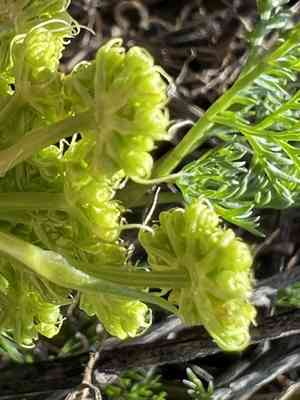
Turpentine wavewing, recognized for its fragrant leaves and vibrant yellow blossoms, thrives with consistent trimming to preserve its vitality and form. Perform pruning in early spring prior to the emergence of new shoots and again in midsummer following the flowering period. Eliminate any deceased or compromised stems, reduce congested branches to enhance air movement, and sculpt the plant according to your preference. This practice stimulates more compact development and a greater abundance of flowers, ensuring turpentine wavewing remains a visually appealing, meticulously cared-for feature in any landscape.
What Are the Benefits of Pruning Turpentine Wavewing?
What Are the Benefits of Pruning Turpentine Wavewing?
Pruning Turpentine Wavewing encourages robust development and maintains its form. Trimming helps manage its dimensions, keeping it controllable and visually appealing. Regular trimming can also boost its resistance to pests and illnesses, contributing to a healthier plant.
What Is the Best Time for Pruning Turpentine Wavewing?
What Is the Best Time for Pruning Turpentine Wavewing?
Pruning in spring enables Turpentine Wavewing to recover swiftly and fosters vigorous new growth, aligning with its active development phase. Summer pruning aids in shaping the plant and maintaining its health while minimizing disease risk. Avoid pruning in late autumn or winter, as this can stress the plant and diminish its hardiness.
What Tools Do I Need to Prune Turpentine Wavewing?
Bypass Pruners
Ideal for making clean cuts on living stems and branches, crucial for preserving the natural shape and vitality of Turpentine Wavewing.
Hand Pruning Shears
Perfect for detailed work on smaller stems and foliage, allowing precise cuts to guide growth patterns.
Loppers
Useful for cutting thicker branches that hand pruners cannot manage, maintaining the overall structure of Turpentine Wavewing without excessive harm.
Pruning Saw
Essential for efficiently removing larger branches, ensuring the plant's overall health and reducing disease risk.
Anvil Pruners
Effective for cutting through dead or dry wood, helping to eliminate old growth that might impede new development of Turpentine Wavewing.
How to Prune Turpentine Wavewing
Inspection
Examine the plant for diseased or withered leaves and stems. Look for any discoloration, spots, or dry areas.
Preparation
Sanitize your pruning tools with a solution of one part bleach to nine parts water to prevent the spread of disease.
Diseased leaves
Using sterilized scissors or pruners, remove any diseased leaves by cutting at the base of the leaf stem, ensuring to cut into healthy tissue to prevent the spread of disease.
Withered leaves
Trim withered leaves, making precise cuts at the point where the leaf stem meets the main stem or base of the plant.
Diseased stems
Remove diseased stems by cutting back to a healthy node or branch junction. Dispose of all pruned material properly to avoid reinfection.
Common Pruning Mistakes with Turpentine Wavewing
Improper Cutting Technique
Cutting branches or stems at incorrect angles or using dull tools can harm Turpentine Wavewing and may lead to disease or poor regrowth.
Over-Pruning
Removing too much foliage can stress Turpentine Wavewing and hinder its ability to photosynthesize, leading to poor health and reduced flowering.
Pruning at the Wrong Time
Pruning Turpentine Wavewing at inappropriate times can interfere with its growth cycle, causing a lack of flowering or delayed growth recovery.
Ignoring Dead or Diseased Wood
Failing to remove dead, dying, or diseased branches can result in the spread of disease and pest infestation in Turpentine Wavewing.
Common Pruning Tips for Turpentine Wavewing
Use Sharp, Clean Tools
Always use sharp and sanitized pruning tools to make clean cuts. This helps prevent the introduction of pathogens and minimizes damage to Turpentine Wavewing.
Cut at a 45-Degree Angle
Make cuts at a 45-degree angle, which allows water to run off, reducing the risk of rot and encouraging healthy regrowth.
Target Dead and Diseased Wood First
Begin by removing any dead, damaged, or diseased branches to maintain the overall health of Turpentine Wavewing and prevent any issues from spreading.
Thin Out Dense Areas
Gradually thin out crowded areas to improve air circulation and light penetration, which promotes healthier growth and flowering.
Make Precise Cuts
When making cuts, be precise and avoid damaging the main stems or branches of Turpentine Wavewing. This helps to preserve the structural integrity and aesthetics of the plant.



