How to Propagate Turpentine wavewing?
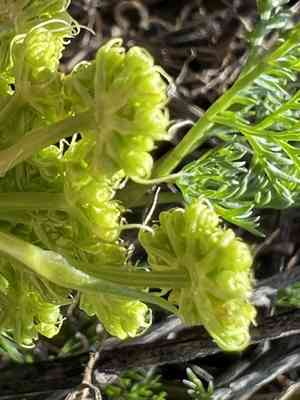
Turpentine wavewing flourishes in adequately drained soil and abundant sunlight. Reproduction is most effectively accomplished by planting seeds. Verify that seeds are gathered from fully developed, robust specimens and completely dried prior to planting. Distribute the seeds superficially, lightly covering them with earth. Sustain consistent dampness and prevent excessive saturation. Sprouting may be protracted, thus perseverance is crucial. Incorporating a sandy or coarse element can improve drainage, aiding root growth.
What Is the Best Time To Propagate Turpentine Wavewing?
Propagation Type
Sowing
Propagation Season
Spring
What Tools Are Used in Turpentine Wavewing Propagation?
Seed Tray
A seed tray is vital for germinating turpentine wavewing seeds, offering a controlled setting for sprouting. It aids in organizing and maintaining consistent moisture and temperature levels crucial for seedling growth.
Quality Potting Mix
A premium, well-draining potting mix is essential for turpentine wavewing to ensure seedlings get proper nutrients and avoid waterlogged conditions, which can cause root rot.
Mister or Spray Bottle
A mister or spray bottle is used to gently and evenly moisten turpentine wavewing seeds and seedlings without disturbing the soil. It helps maintain the necessary humidity for optimal germination.
Seed Dibber
A seed dibber helps create precise and uniform planting holes for turpentine wavewing seeds. This ensures seeds are planted at the correct depth, which is vital for good germination rates.
Heating Mat
A heating mat can be used to maintain a consistent and ideal soil temperature, which is especially beneficial for the germination of turpentine wavewing seeds, particularly in cooler climates.
Grow Lights
Grow lights provide the necessary light spectrum and intensity for the healthy development of turpentine wavewing seedlings, especially if natural sunlight is insufficient or inconsistent.
Moisture Meter
A moisture meter can be used to accurately monitor soil moisture levels. This is critical for turpentine wavewing as both overwatering and underwatering can negatively impact seedling growth.
Plant Labels
Plant labels are important for tracking different seed varieties and sowing dates. This helps in managing the cultivation process efficiently and prevents mix-ups during propagation.
Sterilized Containers
Using sterilized containers prevents the introduction of pests and diseases, which is crucial in the early stages of turpentine wavewing propagation to ensure healthy seedling development.
How to Propagate Turpentine Wavewing?
Propagation Type
Easy
How to Care for Your Newly Propagated Turpentine Wavewing?
How to Care for Your Newly Propagated Turpentine Wavewing?
Once turpentine wavewing seedlings have developed a few true leaves, gradually acclimate them to outdoor conditions by placing them outside for a few hours daily. Ensure they receive ample sunlight and are protected from strong winds and direct afternoon sun. Water regularly but avoid waterlogging. When seedlings are stronger and more established, transplant them to their permanent location in well-draining soil, with spacing that allows for mature plant size. Mulch around plants to retain moisture and control weeds. Consistent care and monitoring will ensure successful growth and development of turpentine wavewing.
Common Mistakes to Avoid When Propagating Turpentine Wavewing
Overwatering
Excessive moisture can lead to root rot and fungal infections, hindering the plant's ability to establish new roots.
Using Poor Soil
Inadequate soil drainage and nutrient deficiencies can impede root development and growth.
Improper Lighting
Insufficient light can result in weak, leggy seedlings that struggle to establish themselves.
Wrong Cutting Technique
Taking cuttings incorrectly or damaging them can result in poor root formation or complete failure to propagate.
Ignoring Pests
Not monitoring or treating pest infestations can severely damage cuttings and young plants, leading to stunted growth or death.
Tips For Propagating Turpentine Wavewing
Moderate Watering
Ensure the soil remains moist but not waterlogged. Allow the top layer to dry before watering again.
Well-Draining Soil
Use a soil mix with good drainage, such as one with sand or perlite, to prevent water from accumulating around the roots.
Bright, Indirect Light
Place cuttings and young plants in a location with ample indirect sunlight to promote healthy growth.
Sharp, Clean Tools
Use sterilized, sharp tools to take cuttings, ensuring clean cuts to reduce the risk of infection and encourage faster rooting.
Regular Pest Checks
Inspect plants regularly for pests and use appropriate, plant-safe treatments to keep infestations under control.



