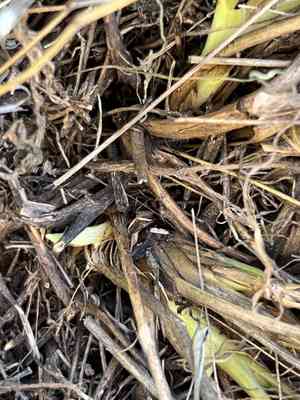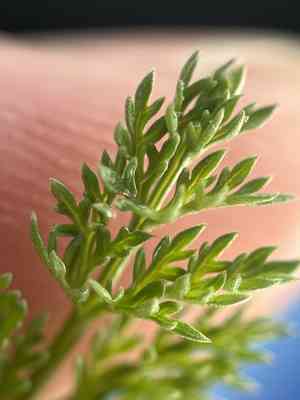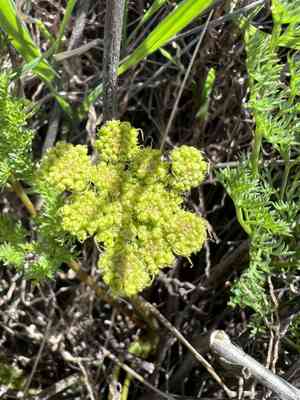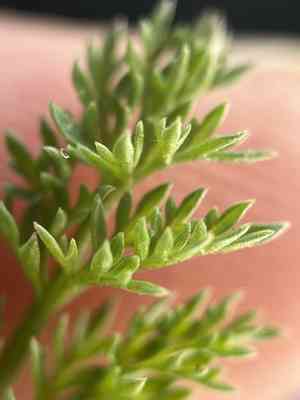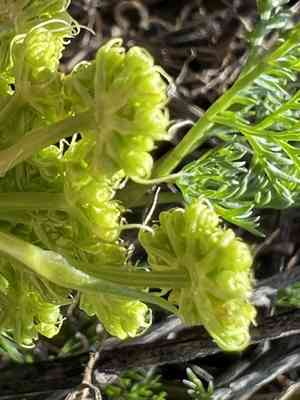
Turpentine wavewing(Pteryxia terebinthina)

Turpentine wavewing (Pteryxia terebinthina)

Also known as: Turpentine Wavewing

The turpentine wavewing thrives in arid environments thanks to several specialized traits:

1. **Woody Stems**: Its sturdy, woody stems help conserve water and provide structural support in harsh climates.
2. **Resinous Leaves**: The aromatic, resinous leaves not only reduce water loss but also deter herbivores with their terebinthine scent.
3. **Sun-Loving Flowers**: The plant's small, white flowers are adapted to flourish under intense sunlight, showcasing its resilience to sparse and high-light conditions.
4. **Perennial Nature**: As a hardy perennial, it can survive prolonged droughts and regenerate when conditions improve.

These characteristics make the turpentine wavewing exceptionally well-suited to survive and thrive in arid environments.

Attributes of Turpentine wavewing

Lifespan
Perennial
Plant Type
Herb
Plant Height
10 cm to 51 cm
Spread
N/A
Leaf Color
Green
Flower Size
3 to 6 mm
Flower Color
Yellow

ForwardPlant - Identify plants with a snap

Identify and diagnose plants, get toxicity alerts, and explore safety guides for all types of fungi.

Try for Free

Images of Turpentine wavewing

Turpentine wavewing(Pteryxia terebinthina)

Quickly Identify Turpentine wavewing

1
Pteryxia terebinthina can be identified by its yellow flowers arranged in umbels, compound leaves that are highly divided, and a strong turpentine-like smell when crushed.

Scientific Classification of Turpentine wavewing

Phylum
Vascular plants
Class
Dicotyledons
Order
Apiales
Family
Umbellifers
Genus
Wavewing
Species
Turpentine wavewing

Planting and Growing of Turpentine wavewing

Care Difficulty
Moderate
Watering Schedule
Every 2 days
Sunlight Requirements
Full sun
Sunshine Duration
4-8 hours
Ideal Temperature
60-75℉
Soil Type
Potting Mix, Peat Mix
Soil pH
6.5-7.5
Fertilizer Type
Balanced
Pruning Season
Spring, Summer
Pruning Area
Branches, Leaves
Pruning Frequency
2 times a year
Repotting Season
Spring
Pot Type
Plastic, Ceramic

water icon How to Water Turpentine wavewing?

For Pteryxia terebinthina, the water amount closely mirrors its natural environment. Aim for 250 ml, ensuring the soil is moist yet not waterlogged. Water until the excess begins to drain from the bottom. This ensures deep root absorption and promotes healthy growth.
What are the symptoms of an underwatered Turpentine wavewing? ›
What should I do if my Turpentine wavewing is not getting enough water? ›
What are the symptoms of an overwatered Turpentine wavewing? ›
How to save an overwatered Turpentine wavewing? ›

sunlight icon What Are the Sunlight Requirements for Turpentine wavewing?

Sunlight Requirements: Full sun, Partial sun
Duration of light: 6 to 8 hours daily
Pteryxia terebinthina ideally thrives in full sun to partial sun, receiving six to eight hours of sunlight daily. This balance enhances its photosynthetic process, resulting in vibrant growth, robust foliage, and improved resistance to environmental stresses.
What is the ideal location for Pteryxia terebinthina? ›
What solutions ensure ideal lighting for this plant? ›
What are the benefits of ideal lighting for this plant? ›

temperature icon What Is the Ideal Temperature Range for Turpentine wavewing?

Ideal Temperature: 60 ~ 75℉
The ideal temperature range for Pteryxia terebinthina is between 60°F and 75°F. This range provides the warm, consistent conditions necessary for optimal growth. During this range, the plant can efficiently conduct photosynthesis and maintain metabolic activities effectively.

soil icon What Soil is Best for Turpentine wavewing?

Soil type: Sandy soil, Loam, Sandy loam
Soil PH: 6.5 ~ 7.5
Pteryxia terebinthina thrives in well-drained soils that prevent waterlogging, ensuring the roots stay healthy by receiving adequate oxygen. This type of soil minimizes the risk of root rot and fungal diseases, allowing the plant to flourish. A soil imbued with essential nutrients supports robust growth and prolific foliage. Enriched soils provide Pteryxia terebinthina with the nutrients necessary for optimal metabolic functions, resulting in more vibrant and sturdy plants. Soils that retain moderate moisture prevent the plant from drying out quickly, ensuring consistent hydration without excess. This characteristic is crucial to sustain the plant's physiological processes, leading to healthy and continuous growth.

fertilize icon How to Fertilize Turpentine wavewing?

Fertilizer type: Balanced
For Pteryxia terebinthina, the fertilizer amount should be gentle and balanced to avoid overpowering this resilient plant. Use a water-soluble fertilizer at a concentration of 1/4th the recommended strength, ensuring that the nutrients are available without causing root burn. A slow-release granular fertilizer can be applied sparingly, with an emphasis on a balanced N-P-K ratio, facilitating steady growth without excessive nutrient surge.

prune icon How to Prune Turpentine wavewing?

Pruning Time: Spring, Summer
Begin by assessing the plant and identifying any dead or diseased stems that need removal. Use clean, sharp shears to make cuts at an angle just above a node or leaf junction to promote new growth. Thin out crowded areas to increase air circulation and sunlight penetration, which are crucial for healthy development. More About Pruning Techniques→

propagate icon How to Propagate Turpentine wavewing plant?

Propagate Time: Spring, Late spring
1
Starting with sterilized seed trays, sow seeds on the surface of a well-draining seed mix. Lightly cover with a layer of sand or grit to help with moisture retention. Place trays in a bright, warm location and ensure consistent moisture until germination occurs.
2
Select healthy, disease-free stems from the parent plant. Cut segments of about 4 to 6 inches long and remove the lower leaves. Dip the cut end in rooting hormone before planting it in moist, well-draining soil.
3
Carefully dig up the parent plant, ensuring minimal disruption to the roots. Using a clean knife, cut the rhizomes into sections, each with at least one growth node. Replant each segment in prepared soil, maintaining the same depth as the original plant.
More About Propagating Techniques→

repot icon How to Repot Turpentine wavewing plant?

Repotting frequency: Every 2-3 years
1
Pteryxia terebinthina signals its need for repotting when you notice roots emerging from drainage holes or when the soil seems compacted and the plant’s growth is stunted. Ideal months are spring and early summer when the plant is most vigorous and can establish its roots in the new soil effectively.
2
Choose a pot that is one size larger than the current one, with ample drainage holes to prevent water stagnation. Opting for terra cotta can aid in water evaporation, which is beneficial for plants preferring well-draining conditions. The added pot size ensures room for growth and reduced transplant shock.
3
Select a well-draining sandy loam soil mix. This soil combination allows for maximum aeration and prevents waterlogging, which is detrimental for Pteryxia terebinthina. Such soil ensures that roots can breathe and reduces the risk of rot.

ForwardPlant - Identify plants with a snap

Find the best spots for them to optimize their health, simply using your phone.

Try for Free