How to Prune Wright's cudweed?
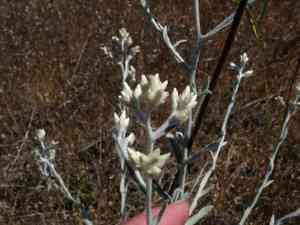
Wright's cudweed, a perennial herb recognized for its fuzzy feel and grouped floral clusters, flourishes with infrequent trimming to preserve its form and encourage more compact development. The most effective time for pruning is in spring following the final frost, throughout summer to eliminate faded blossoms, or in early autumn to ready wright's cudweed for its dormant period. Consistent removal of spent blooms during the flowering period boosts new blossoms and hinders self-propagation. This specific pruning approach guarantees robust development and a neat look, rendering wright's cudweed a desirable inclusion in indigenous gardens.
What Are the Benefits of Pruning Wright's Cudweed?
What Are the Benefits of Pruning Wright's Cudweed?
Trimming wright's cudweed is vital for maintaining its form and encouraging robust development. Strategic cutting helps manage its dimensions, improving the plantâs overall vitality and visual appeal.
What Is the Best Time for Pruning Wright's Cudweed?
What Is the Best Time for Pruning Wright's Cudweed?
Pruning wright's cudweed in Spring is optimal as it prepares the plant for new growth and aids in removing any winter damage, ensuring healthy development. Summer pruning, especially after blooming, helps control the size and shape of wright's cudweed, and promotes a stronger plant by eliminating spent flowers and redundant stems. Pruning in Fall is beneficial as it assists wright's cudweed in maintaining its structure and health through the dormant winter period by removing any diseased or dead parts, thereby reducing the likelihood of pest and disease issues.
What Tools Do I Need to Prune Wright's Cudweed?
Bypass Pruners
Perfect for making clean cuts on the smaller, softer stems of wright's cudweed, these pruners cause less harm to delicate tissues, encouraging healthier regrowth.
Snips
Excellent for detailed work, snips allow gardeners to access dense clusters without harming other plant parts. This is especially useful for selectively thinning or removing specific shoots of wright's cudweed.
Gloves
Though not a cutting tool, wearing gloves is crucial when pruning wright's cudweed to shield hands from cuts and any potential skin irritants from the plant or its pests.
Pruning Saw
For older, more woody stems that wright's cudweed might develop, a small pruning saw is necessary to make clean cuts that bypass pruners cannot manage.
How to Prune Wright's Cudweed
Sanitize tools
Before pruning wright's cudweed, ensure all pruning tools are clean and disinfected. Sterilize shears or scissors with alcohol or a bleach solution to prevent spreading diseases.
Remove diseased parts
Carefully remove any diseased leaves and branches from wright's cudweed. Make cuts at a slight angle several inches below the diseased area to ensure that all infected material is removed.
Cut withered elements
Trim all withered leaves and dead branches. Make clean cuts close to the main stem to promote healthier growth and maintain the shape of wright's cudweed.
Shape the plant
Assess the overall form of wright's cudweed after removing dead and diseased parts. Lightly trim additional branches to maintain natural growth patterns and enhance airflow through the plant, which helps reduce the risk of disease.
Dispose waste
Dispose of all removed plant material, especially diseased leaves and branches, properly. Do not compost as this can spread pathogens. Sealed bags or burning (where permitted) are effective methods for disposal.
Common Pruning Mistakes with Wright's Cudweed
Overpruning
Removing too much foliage at once can stress wright's cudweed, reducing its ability to thrive and recover. It's crucial to prune only the necessary parts to maintain plant health.
Improper cut location
Making cuts too close to the main stem or too far from the bud can harm wright's cudweed. This mistake can lead to disease entry and poor regrowth.
Using dull tools
Utilizing dull pruning tools can create jagged cuts that poorly heal, making wright's cudweed susceptible to pests and diseases.
Pruning healthy growth
Cutting away healthy growth unnecessarily can limit wright's cudweed's flowering potential and overall vigor. Focus should be on removing only dead or diseased growth.
Common Pruning Tips for Wright's Cudweed
Sharp and clean tools
Ensure pruning tools are sharp and clean. This promotes healthy cuts that heal quickly, preventing issues and promoting robust growth in wright's cudweed.
Target dead and diseased
Focus on removing dead, diseased, or damaged stems to foster a healthier, more aesthetically pleasing wright's cudweed. This helps direct the plant's energy to more productive growth.
Prune for shape
Lightly prune to maintain the desired shape and size of wright's cudweed, enhancing its appearance and encouraging a dense, bushy growth form.
Care with new growth
Be cautious when trimming new growth. Prune after it has maturely formed to avoid cutting into tender, developing shoots unnecessarily.



