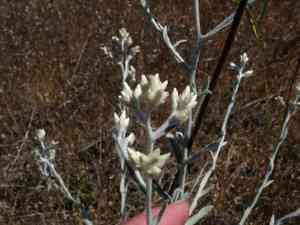
Wright's cudweed (Pseudognaphalium canescens)
Also known as: Rabbit-tobacco, California everlasting, ladies' tobacco
Pseudognaphalium canescens, also known as Gnaphalium canescens, is a species within the daisy family commonly referred to as Wright's cudweed.
In This Article
Attributes of Wright's cudweed
Lifespan
Biennial, Perennial
Plant Type
Herb
Plant Height
30 cm to 76 cm
Spread
Varies; typically forms sprawling mats
Leaf Color
White to grayish-green
Flower Size
Small; typically 2-4 mm in diameter
Flower Color
White
Images of Wright's cudweed
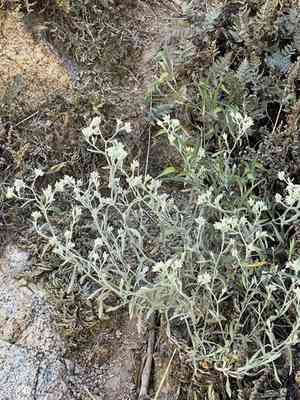
Quickly Identify Wright's cudweed
1
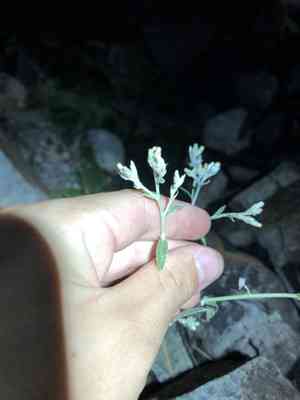
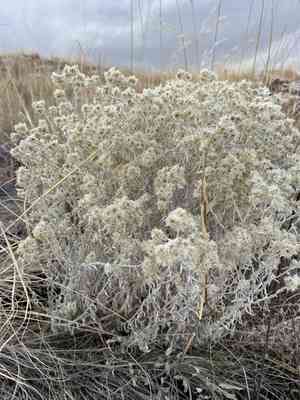
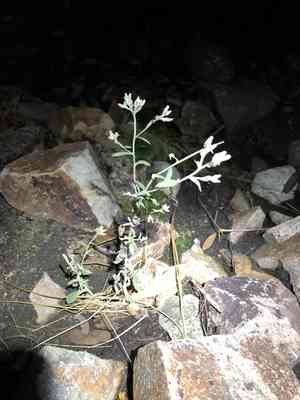
Look for whitish, woolly leaves and small, white clustered flowers. It often has a distinct, sweet scent when dried. The plants are typically low-growing and can form dense mats on the ground.
Scientific Classification of Wright's cudweed
Phylum
Vascular plants
Class
Dicotyledons
Order
Asterales
Family
Daisy
Genus
Cudweeds
Species
Wright's cudweed
Planting and Growing of Wright's cudweed
Care Difficulty
Easy
Watering Schedule
Every 2 days
Sunlight Requirements
Full sun
Sunshine Duration
4-8 hours
Ideal Temperature
65-75℉
Soil Type
Potting Mix, Peat Mix
Soil pH
5.5-7.5
Fertilizer Type
Balanced
Pruning Season
Spring, Summer
Pruning Area
Branches, Leaves
Pruning Frequency
2 times a year
Repotting Season
Spring
Pot Type
Plastic, Ceramic
 How to Water Wright's cudweed?
Pseudognaphalium canescens is a drought-tolerant plant that requires a moderate amount of water. Each watering session should provide about 250 milliliters of water, ensuring the soil is moistened but not waterlogged. Watering should help the roots reach enough moisture without drowning them.
What are the symptoms of an underwatered Wright's cudweed?
›
What should I do if my Wright's cudweed is not getting enough water?
›
What are the symptoms of an overwatered Wright's cudweed?
›
How to save an overwatered Wright's cudweed?
›
 What Are the Sunlight Requirements for Wright's cudweed?
A balance of full to partial sun is ideal for Pseudognaphalium canescens. This light range assures vigorous growth, adequate energy production, and the overall health of the plant.
Optimal Sun Exposure Duration
›
Achieving Ideal Conditions
›
Benefits of Optimal Lighting
›
 What Is the Ideal Temperature Range for Wright's cudweed?
Pseudognaphalium canescens thrives best in a temperature range of 65 to 75°F. This range ensures optimal growth, flowering, and seed production as it closely mimics the plant's native conditions. Maintaining this temperature range helps minimize stress and promotes robust health in the plant.
 What Soil is Best for Wright's cudweed?
Pseudognaphalium canescens thrives in well-drained soils that prevent waterlogging, which can lead to root rot. Ensuring good drainage helps maintain healthy roots and overall plant vigor. This plant prefers soils with moderate nutrient levels, allowing it to grow steadily without excessive growth that might lead to legginess. Although drought-tolerant, maintaining light to moderate soil moisture during initial planting helps establish a strong root system, which is essential for survival during dry spells.
 How to Fertilize Wright's cudweed?
For Pseudognaphalium canescens, it is crucial to apply the right amount of fertilizer to avoid nutrient imbalances. Use half the recommended concentration on the label, as the plant prefers a leaner nutrient supply. For liquid fertilizers, dilute them to 50% strength and apply about 100-200 milliliters per application.
 How to Prune Wright's cudweed?
Begin by identifying any dead, damaged, or diseased stems. These should be removed first to allow the plant to focus its energy on new growth and healthy parts. For general maintenance, it's recommended to trim about a third of the plant to stimulate more compact and vigorous growth, especially during the active growing seasons. Make clean cuts at a 45-degree angle just above a node or a budding eye. This encourages the plant to direct its growth towards healthy areas and prevents water accumulation on cut surfaces.
More About Pruning Techniques→
 How to Propagate Wright's cudweed plant?
1
Collect mature seeds from the plant or take cuttings from non-flowering shoots. Choose healthy, disease-free specimens to increase the chances of success. Handle seeds with care to ensure they remain undamaged during collection.
2
Prepare a well-draining potting mix for planting the seeds or cuttings. Sterilize the soil or use a commercial seed-starting mix to minimize risks of disease. Make sure the medium is slightly moist but not soggy.
3
Sow the seeds or insert cuttings into the prepared medium at the correct depth. Maintain a warm temperature and high humidity. Use a clear dome or plastic bag to cover the container, promoting a greenhouse effect that will aid germination and rooting.
 How to Repot Wright's cudweed plant?
1
Look for signs such as roots growing out of the drainage holes, the soil drying out quickly after watering, or stunted growth. These indicators suggest that the plant needs more space or fresh soil to thrive.
2
Choose a pot that is one size larger than the current one, ensuring it has adequate drainage holes. This helps prevent root rot by allowing excess water to escape, promoting a healthy root system and optimal growth.
3
Select a well-draining sandy loam soil to provide the roots with enough aeration and drainage. This soil mix helps prevent waterlogged conditions, ensuring the roots do not suffocate and the plant remains healthy and vibrant.



