How to Propagate Wright's cudweed?
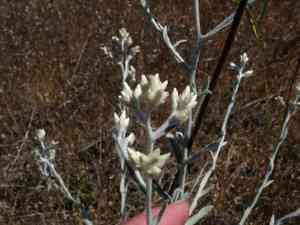
Wright's cudweed generally thrives when propagated from seeds. To achieve successful cultivation, utilize a growing medium that drains effectively and sustain uniform dampness without oversaturation. For ideal germination, light exposure is necessary; consequently, lightly dust the seeds with substrate to facilitate sufficient light access. Vigilant observation for fungal infections is vital to safeguard the fragile young plants in their initial development phases.
Optimal Time for Wright's Cudweed Propagation
Propagation Method
Seeding
Propagation Period
Spring
Tools for Wright's Cudweed Propagation
Seed trays
Seed trays are perfect for the initial phase of sowing wright's cudweed seeds. They aid in spreading the tiny seeds uniformly across a flat surface, ensuring each seed has sufficient room to sprout without overcrowding. This is vital for wright's cudweed to establish properly, as good spacing lowers the risk of fungal diseases that thrive in dense conditions.
Fine vermiculite or perlite
Vermiculite or perlite serves as a top layer for wright's cudweed seeds to maintain proper moisture levels and allow light penetration, crucial for wright's cudweed germination. These materials are light and porous, offering an ideal setting for delicate seeds by helping keep moisture consistent without waterlogging, which is key for wright's cudweed's germination stage.
Spray bottle or misting system
A spray bottle or misting system is essential for gently watering wright's cudweed seeds without dislodging them. The fine mist provides the necessary hydration for germination while keeping the seeds in place, ensuring they aren't washed away or buried too deeply, which could hinder their development.
Grow lights (if indoor propagation)
Grow lights are useful if propagating wright's cudweed indoors or in shaded areas. They provide a steady light source, which is necessary for wright's cudweed to perform photosynthesis effectively after germination. Proper light exposure ensures healthy, robust growth during the early developmental stages.
Heating mats (for temperature control)
Heating mats are used to maintain an ideal soil temperature, especially important during colder months. Wright's cudweed seeds need a warm environment to germinate successfully, and heating mats help provide consistent warmth that promotes faster and more even germination.
How to Propagate Wright's Cudweed?
Propagation Type
Simple
Caring for Your Newly Propagated Wright's Cudweed
Caring for Your Newly Propagated Wright's Cudweed?
Post-germination, continue to care for wright's cudweed by gradually acclimating young plants to outdoor conditions if they were germinated indoors. Water plants regularly to keep soil consistently moist but not saturated, and protect them from extreme temperatures. Fertilization is generally not needed as wright's cudweed thrives in low-nutrient soils. Monitor for pests and diseases, and apply organic control methods if necessary to maintain plant health.
Common Errors to Avoid When Propagating Wright's Cudweed
Overwatering
Excessive watering can lead to root rot or fungal growth, which are harmful to wright's cudweed's health. Too much moisture hinders proper root development and makes the plant vulnerable to diseases.
Using poor draining soil
Soil that doesn't drain well retains too much moisture. This environment is detrimental for wright's cudweed as it prefers well-drained conditions. Inadequate drainage can cause root decay and impede proper root function and growth.
Excessive handling of root cuttings
Handling wright's cudweed root cuttings too much can damage the delicate root structures, impairing their ability to establish and grow when replanted. This can significantly reduce propagation success.
Ignoring light requirements
Failing to provide wright's cudweed with sufficient light during propagation, especially if propagating from cuttings, can affect the plant's ability to produce food through photosynthesis, ultimately stunting its growth or killing the cuttings.
Tips For Propagating Wright's Cudweed
Use well-draining substrate
Choose a well-draining substrate like a peat and perlite mix to encourage healthy root growth and prevent waterlogging. This supports vigorous growth and successful establishment of wright's cudweed.
Maintain optimal moisture
Keep the soil moist but not waterlogged. Consistent, moderate moisture will support the rooting process without causing issues associated with overwatering.
Provide ample light
While rooting, ensure that wright's cudweed receives adequate light. This promotes photosynthesis and growth, but avoid overly harsh direct sunlight which could harm young plants.
Handle roots delicately
When propagating from root cuttings, handle wright's cudweed roots with care to avoid damaging them. Gently place the cuttings in the growing medium to ensure they remain intact and functional.



