How to Prune Low baby's-breath?
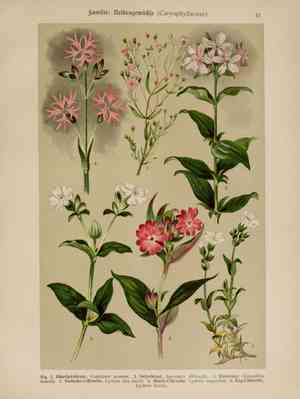
This fragile perennial, recognized for its ethereal flowers, low baby's-breath flourishes with consistent trimming to preserve its form and stimulate blooming. Snip off faded blossoms and sculpt the plant from spring through autumn. Refrain from severe cutting; instead, judiciously eliminate lifeless or frail stalks. Pruning improves air movement and channels vitality towards robust development, guaranteeing that low baby's-breath's fine leaves and flowers attain their complete decorative appeal.
What Are the Benefits of Pruning Low Baby's-breath?
What Are the Benefits of Pruning Low Baby's-breath?
Trimming low baby's-breath encourages robust development and preserves its compact form. This crucial method enables gardeners to control plant size, improve appearance, and contribute to overall vitality, fostering better air movement and light exposure.
What Is the Best Time for Pruning Low Baby's-breath?
What Is the Best Time for Pruning Low Baby's-breath?
Trimming low baby's-breath in Spring is advantageous for eliminating any dead or damaged growth from winter dormancy, preparing the plant for new development. Early Summer pruning aids in shaping the plant and promotes a more dense growth habit, particularly important for low baby's-breath after its initial bloom to encourage a second flowering. Fall pruning focuses on removing spent blossoms and tidying the plant before winter, which can prevent disease and pest infestations. These specific periods ensure that pruning does not disrupt low baby's-breath's natural growth and reproductive cycles, thereby enhancing its overall health and visual appeal.
What Tools Do I Need to Prune Low Baby's-breath?
Hand Pruners
Perfect for making precise cuts on low baby's-breath, hand pruners are easy to use and can cut through stems and small branches effectively without causing unnecessary harm to the plant.
Scissors
Standard garden scissors can be utilized for trimming thin and delicate stems of low baby's-breath, providing a clean cut essential to avoid damaging the flower's small stature.
Pruning Shears
Bypass pruning shears are preferred for low baby's-breath as they create a clean, close cut, which is vital for the healthy regrowth of fragile and fine stems.
Gloves
Wearing gloves can safeguard gardener's hands from sap or any sharp parts of low baby's-breath, ensuring a secure pruning process.
How to Prune Low Baby's-breath
Clean Tools
Before trimming low baby's-breath, sanitize your pruning shears or scissors to prevent disease transmission. Wipe the blades with alcohol or a bleach solution.
Inspect Plant
Examine low baby's-breath thoroughly to identify all withered leaves that require removal. This helps ensure you only prune the necessary sections.
Cut Withered Leaves
Using the sterilized shears, carefully cut the withered leaves at their base, close to the main stem. Avoid harming healthy adjacent foliage or stems.
Dispose Leaves
After pruning, collect all the withered leaves of low baby's-breath and discard them properly. Do not compost diseased or infested plant material to prevent spreading issues.
Clean Up
Clean the pruning tools again after use. This maintenance step helps keep your tools in good condition and ready for the next trimming session.
Common Pruning Mistakes with Low Baby's-breath
Overpruning
Removing too much foliage or too many stems at once can stress low baby's-breath, impeding its growth and flowering potential.
Improper Cut Locations
Cutting either too close to the bud or leaving a large stub can lead to poor healing and can make low baby's-breath vulnerable to diseases and pests.
Using Dull Tools
Trimming low baby's-breath with dull tools can result in jagged cuts that are more susceptible to infection and may not heal correctly.
Neglecting Tool Hygiene
Not sterilizing pruning tools before use on low baby's-breath can spread pathogens from plant to plant, leading to disease outbreaks.
Pruning Without Plan
Random or careless cuts may lead to uneven growth and an undesirable shape for low baby's-breath.
Common Pruning Tips for Low Baby's-breath
Clean Cuts
Ensure all cuts on low baby's-breath are made cleanly using sharp, sterilized pruning shears. This promotes rapid healing and reduces disease risk.
Selective Pruning
Identify and selectively remove only the dead, diseased, or damaged stems of low baby's-breath, which helps maintain plant health and stimulates new growth.
Shape Maintenance
Work towards preserving the natural shape of low baby's-breath, trimming away stray or awkwardly positioned stems to create a pleasing and healthy overall structure.
Encouraging Bushiness
Prune low baby's-breath to encourage bushiness by cutting back leggy stems, which helps to stimulate branching and results in a fuller plant.
Thinning Out
Thin out crowded areas of low baby's-breath by removing some stems. This increases air circulation and light penetration, vital for preventing diseases and promoting robust health.



