The Low baby's-breath Plant Advantage: Maximizing Home and Office Appeal and Wellness
1
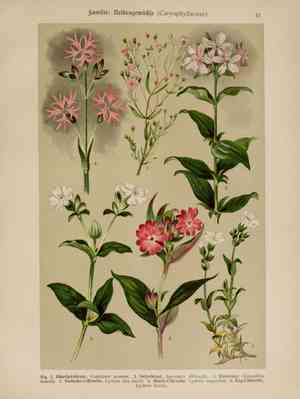
Dwarf baby's-breath serves as a superb ground-covering plant, perfect for stopping soil degradation.
2
Its fine flowers and leaves render it suitable for attractive garden designs.
3
Requiring minimal care and tolerant of dry conditions, Dwarf baby's-breath is highly valued by gardeners.
Why Low baby's-breath Excels as a Ground Cover?
Soil Stabilization Capabilities
A key advantage of Low baby's-breath is its effectiveness in preventing soil erosion. Its robust root system firmly anchors the soil, making it perfect for sloped areas and locations prone to washouts. By planting Low baby's-breath, you establish a natural barrier that minimizes soil loss while enriching the surrounding environment.
Water Retention
Ground cover plants like Low baby's-breath also play a vital role in retaining moisture. Its dense foliage helps decrease water evaporation from the soil, ensuring your garden stays hydrated even during dry periods. This feature is especially beneficial in arid climates or regions prioritizing water conservation.
Visual Appeal: Enhancing Your Landscape with Low baby's-breath
Graceful Flowers
Low baby's-breath is celebrated for its delicate and charming blossoms, which can greatly boost any garden's visual appeal. The small, white flowers lend a soft, ethereal quality, making it a popular choice for borders, rock gardens, and decorative containers. Its blooms can create a striking contrast when paired with other vibrant flowers, adding depth and variety to your garden design.
Adaptable Foliage
Beyond its flowers, Low baby's-breath features versatile foliage that remains attractive throughout the growing season. The fine, wispy leaves add texture to the garden and can complement various other plants. This adaptability makes it a functional addition to any landscape, whether you're aiming for a modern, minimalist look or a lush, cottage garden aesthetic.
Effortlessly Integrating Low baby's-breath into Your Garden
Planting and Care Guidelines
Incorporating Low baby's-breath into your garden is simple, thanks to its minimal maintenance needs. Begin by selecting a sunny or partially shaded spot. Prepare the soil by loosening it and removing any weeds. Plant the seedlings or seeds and water them regularly until they are established. Once settled, Low baby's-breath requires little watering and is quite drought-tolerant, making it a fuss-free addition to your garden.
Companion Planting Strategies
Another method to integrate Low baby's-breath into your landscape is through companion planting. It pairs well with a variety of other plants, including taller perennials and flowering shrubs. By combining it with plants that have different growth habits, you can create a dynamic and multi-layered garden. For instance, pair Low baby's-breath with lavender or rosemary to achieve a Mediterranean-inspired garden that is both practical and beautiful.
Ecological Advantages of Cultivating Low baby's-breath
Support for Biodiversity
Growing Low baby's-breath can also contribute to local biodiversity. The plant offers habitat and food for various insects, including pollinators like bees and butterflies. By adding Low baby's-breath to your garden, you're fostering an environment that supports these beneficial creatures, ultimately promoting a healthier and more vibrant ecosystem.
Invasive Species Reduction
Furthermore, Low baby's-breath acts as a natural deterrent to invasive species. Its dense foliage can outcompete many invasive weeds, curbing their spread. This helps maintain the ecological balance in your garden, allowing native plants and wildlife to flourish. By choosing to grow Low baby's-breath, you're taking a proactive step towards sustainable and responsible gardening practices.
Sustainability and Low Maintenance: Low baby's-breath in Contemporary Gardening
Water-Efficient Landscaping
With increasing concerns about water scarcity, Low baby's-breath offers an excellent solution for water-efficient landscaping. Its drought-tolerant nature means it requires significantly less water compared to other ornamental plants. This makes it an ideal choice for xeriscaping, a landscaping method that minimizes water use, thereby conserving this precious resource. By incorporating Low baby's-breath into your garden, you're not just adding beauty but also contributing to a more sustainable environment.
Minimal Chemical Use
Another sustainability benefit of Low baby's-breath is its natural resistance to pests and diseases. Unlike other plants that may require frequent pesticide applications, Low baby's-breath can thrive with minimal chemical interventions. This not only reduces your gardening workload but also lessens the environmental impact of chemical use. The low maintenance nature of Low baby's-breath makes it an appealing choice for environmentally conscious gardeners.



