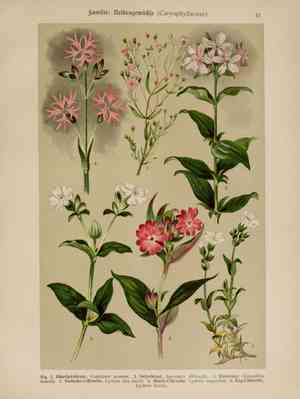
Low baby's-breath (Psammophiliella muralis)
Also known as: none
Low baby's-breath (Gypsophila muralis) is a common garden plant that sometimes spreads beyond garden confines into lawns and open spaces. This plant, which can be found in various colors, is a popular choice for wedding bouquets. Known as Chalk Baby Breath, it thrives in chalky or well-drained soils and prefers sunny locations.
In This Article
Attributes of Low baby's-breath
Lifespan
Annual
Plant Type
Herb
Plant Height
30 cm to 40 cm
Spread
15 cm to 30 cm
Leaf Color
Green
Flower Size
3.5 cm to 6 cm
Flower Color
White Pink Purple Red
Images of Low baby's-breath

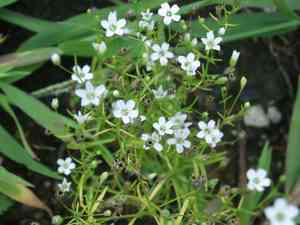
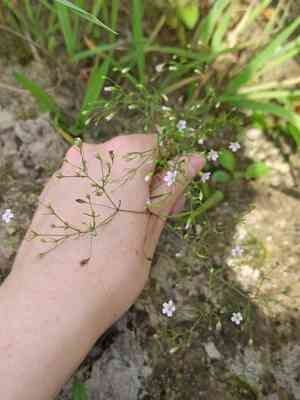
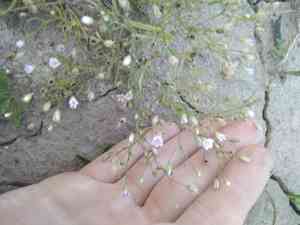
Quickly Identify Low baby's-breath
1
Psammophiliella muralis can be identified by its small white flowers and linear leaves. It often grows in clusters and prefers sandy or rocky soils.
Scientific Classification of Low baby's-breath
Phylum
Vascular plants
Class
Dicotyledons
Order
Caryophyllales
Family
Pink
Genus
Annual Gypsophila
Species
Low baby's-breath
Planting and Growing of Low baby's-breath
Care Difficulty
Hard
Watering Schedule
Every 2 days
Sunlight Requirements
Full sun
Sunshine Duration
6-10 hours
Ideal Temperature
60-75℉
Soil Type
Potting Mix, Peat Mix
Soil pH
6.5-7.5
Fertilizer Type
Balanced
Pruning Season
Spring, Summer
Pruning Area
Branches, Leaves
Pruning Frequency
2 times a year
Repotting Season
Spring
Pot Type
Plastic, Ceramic
 How to Water Low baby's-breath?
Psammophiliella muralis requires careful watering to match its natural habitat. Each time you water, provide approximately 150 milliliters, ensuring the soil is evenly moist but not waterlogged. The goal is to reach a perfect balance where the soil is moist to the touch but not drenched, mimicking the natural dry to moist cycle the plant is accustomed to.
What are the symptoms of an underwatered Low baby's-breath?
›
What should I do if my Low baby's-breath is not getting enough water?
›
What are the symptoms of an overwatered Low baby's-breath?
›
How to save an overwatered Low baby's-breath?
›
 What Are the Sunlight Requirements for Low baby's-breath?
Psammophiliella muralis ideally prefers full to partial sunlight, ensuring a minimum of 4 hours in direct sunlight. This optimal range supports efficient photosynthesis and vibrant growth.
More About Sunlight Requirements Techniques→
What is the best lighting condition for Psammophiliella muralis?
›
How to achieve ideal lighting for Psammophiliella muralis?
›
What are the benefits of ideal lighting for Psammophiliella muralis?
›
 What Is the Ideal Temperature Range for Low baby's-breath?
The ideal temperature range for Psammophiliella muralis is between 60°F and 75°F. This range allows the plant to maintain optimal growth and development, ensuring that its physiological processes occur efficiently. Maintaining this temperature range can also help prevent stress and disease, promoting a healthy and flourishing plant.
 What Soil is Best for Low baby's-breath?
Psammophiliella muralis thrives in well-draining soil. This requirement is crucial to prevent root rot, as the plant is native to environments where water does not linger. Proper drainage ensures healthy root development and robust plant growth. As a rugged species, Psammophiliella muralis can grow in nutrient-poor soils, typical of sandy environments. This tolerance allows for minimal fertilization, making it ideal for sustainable landscaping projects. The plant does well in soils with a pH range from 6.5 to 7.5, tolerating slight acidity and slight alkalinity. Maintaining this pH range ensures optimal nutrient uptake, thus promoting healthy foliage and blooms.
 How to Fertilize Low baby's-breath?
For Psammophiliella muralis, the amount of fertilizer used should be carefully measured to avoid overfeeding. Typically, a liquid fertilizer should be diluted to half its strength to ensure the plant is nourished without risk of burn. Use about 1 tablespoon for a gallon of water. For slow-release types, apply about one tablespoon per square foot of planting area, evenly spreading it around the soil surface.
 How to Prune Low baby's-breath?
Familiarize yourself with how Psammophiliella muralis grows. It has a semi-woody, sprawling nature, which can be managed by trimming new growth to shape the plant as desired. Focus on cutting back any weak, diseased, or damaged branches first. This step not only helps the plant divert resources to healthier parts but also opens up more airflow. Follow the natural contour of the plant to shape it into a more pleasing form. Avoid cutting too close to the main stem to maintain healthy regrowth points. Post-pruning, ensure the plant is well-watered to help it recover from the pruning session. This aids in quicker regeneration and keeps stress to a minimum.
More About Pruning Techniques→
 How to Propagate Low baby's-breath plant?
1
Collect seeds from mature Psammophiliella muralis plants and store them in a cool, dry place until use. Before sowing, soak the seeds overnight to enhance germination rates.
2
Select healthy stems and cut a section of approximately 10 cm during the early growing season. Each cutting should have at least two leaves and should be cut just below a node.
3
In spring, gently dig around the plant to expose the roots. Divide the root ball into sections with a sharp, clean knife ensuring each section has viable shoots and roots.
 How to Repot Low baby's-breath plant?
1
Psammophiliella muralis typically signals the need for repotting when its roots start to outgrow the pot, often visible from the drainage holes, or when water absorption drastically slows. This indicates the soil has deteriorated or roots have become too crowded. Opting for spring or autumn ensures moderate temperatures conducive to recovery and new growth.
2
Select a pot that is just one size larger than the current one. This minimizes the risk of overwatering by not having excess soil that stays wet for too long. Ensure it has ample drainage holes to prevent waterlogging. The right pot size promotes healthy root growth and stabilizes the plant structure, encouraging consistent growth.
3
Opt for a well-draining sandy loam that mimics the plant's natural habitat. This type of soil allows excess water to flow through easily, preventing root rot while retaining essential moisture and nutrients. Its structure provides the foundation for healthy root development, aeration, and overall plant vitality.
Learn More About Low baby's-breath Diseases
Anthracnose
Bacterial Leaf Spot
Bacterial Soft Rot
Bacterial Wilt
Black Spot
Chemical Injury
Damping-off
Downy Mildew
Drought Stress
Fusarium Wilt
Gray Mold
Leaf Curl
Leaf Spot
Mosaic
Nutrient Deficiency
Nutrient Toxicity
Powdery Mildew
Root Rot
Root-knot Nematode
Rusts
Sooty Mold
Spider Mites
Temperature Stress
Thrips Damage
White Mold



