How to Prune Chinese sour cherry?
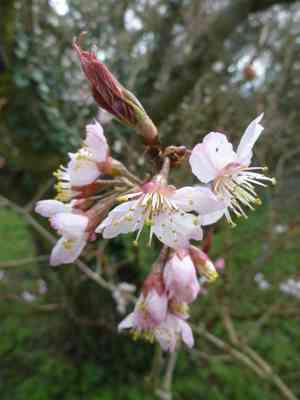
This fruit-bearing tree, which sheds its leaves annually, is recognized for its acidic fruits and aesthetic appeal. For chinese sour cherry, trimming should prioritize the elimination of lifeless or ailing branches, reducing crowded limbs to enhance light exposure and airflow, and shaping to preserve an unobstructed core. The most effective time for pruning is in late winter while the tree is inactive, which minimizes stress and guards against the introduction of pathogens. Pruning encourages more robust development, elevates fruit excellence, and extends the longevity of chinese sour cherry.
What Are the Benefits of Pruning Chinese Sour Cherry?
What Are the Benefits of Pruning Chinese Sour Cherry?
Trimming chinese sour cherry boosts fruit yield and quality, promotes robust growth, and maintains its desired form. Strategic cuts enhance light penetration and air flow, crucial for minimizing disease risk and encouraging strong, healthy development.
What Is the Best Time for Pruning Chinese Sour Cherry?
What Is the Best Time for Pruning Chinese Sour Cherry?
Pruning chinese sour cherry in late winter is beneficial because the plant remains dormant, reducing sap loss that could weaken it. This timing also allows gardeners to clearly see the structure without leaves, aiding in precise cuts. Moreover, pruning before spring growth starts enables the plant to heal quickly and direct energy to new growth, leading to a vigorous flowering period and fruit production.
What Tools Do I Need to Prune Chinese Sour Cherry?
Hand Pruners
Perfect for making accurate cuts on live wood and green stems up to 3/4 inch in diameter, suitable for most routine pruning tasks for chinese sour cherry. They ensure sharp, clean cuts that encourage quick healing.
Loppers
Featuring longer handles for increased leverage, these are ideal for reaching higher branches and cutting through thicker material (up to 1.5-2 inches thick) common in older chinese sour cherry branches, without tiring the gardener's arms.
Pruning Saw
Essential for larger branches exceeding 2 inches in diameter that hand pruners and loppers cannot manage. A pruning saw allows cutting through thick wood without harming the rest of the chinese sour cherry.
Hedge Shears
Useful for shaping chinese sour cherry when a formal hedge appearance is desired. They enable trimming many small stems at once, making quick work of shaping tasks.
Pole Pruner
For chinese sour cherry trees too tall to safely reach with loppers, a pole pruner offers the extended reach to trim higher branches from the ground. It combines a saw and a lopper in one tool, providing versatility to the gardener.
Secateurs
Similar to hand pruners, secateurs are another name for the same tool and offer precision for snipping stems and can also be used for deadheading spent blossoms on chinese sour cherry to encourage new growth and fruiting.
How to Prune Chinese Sour Cherry
Sanitize
Before pruning chinese sour cherry, disinfect pruning tools with a solution of 1 part bleach to 9 parts water to prevent disease spread.
Inspect
Examine chinese sour cherry closely to identify all dead or diseased branches, which may appear discolored, shriveled, or show visible signs of fungal growth or pest damage.
Cut Dead Branches
Use sharp, clean pruning shears to make precise cuts and remove dead branches. Cut back to a live branch crotch or a healthy outward-facing bud, ensuring cuts are angled away from the bud to allow water to run off.
Cut Diseased Branches
Prune any diseased branches on chinese sour cherry by cutting at least several inches below the affected areas. This helps prevent disease from spreading to healthy parts of the plant.
Dispose
Dispose of all removed material from chinese sour cherry promptly and properly, away from healthy plants, to prevent the spread of any disease.
Common Pruning Mistakes with Chinese Sour Cherry
Over-Pruning
Removing too much of chinese sour cherry's canopy at once can stress the plant and lead to a weak structure or poor fruit production.
Improper Cuts
Making cuts too close to the trunk or leaving stubs can invite disease and pests, and hinder the healing process.
Shearing
Using shearing techniques can lead to dense outer foliage, blocking light and resulting in a poor inner structure for chinese sour cherry.
Ignoring Deadwood
Failure to regularly remove dead or diseased wood can lead to a decline in the plant's health and vigor.
Neglecting Tool Hygiene
Not cleaning pruning tools can spread disease from plant to plant, affecting chinese sour cherry's overall health.
Common Pruning Tips for Chinese Sour Cherry
Selective Heading Back
Cutting back the terminal portion of branches to a lateral bud encourages bushier growth and should be done to shape chinese sour cherry without over-pruning.
Thinning Cuts
Remove entire branches or limbs at their point of origin to improve light penetration and air circulation within the canopy of chinese sour cherry.
Crown Cleaning
Regularly removing dead, diseased, or crossing branches helps maintain the structural integrity and health of chinese sour cherry.
Pruning Angle
Making clean angled cuts above buds facing the outside of the plant promotes outward growth and prevents water accumulation, which can lead to disease.
Sterilize Tools
Disinfect pruning tools before and after use, especially when cutting diseased wood, to prevent the spread of pathogens affecting chinese sour cherry.
Disease Inspection
Closely inspect chinese sour cherry for signs of disease or infestation before pruning, to tailor the pruning approach and avoid unnecessary plant stress.



