How to Propagate Chinese sour cherry?
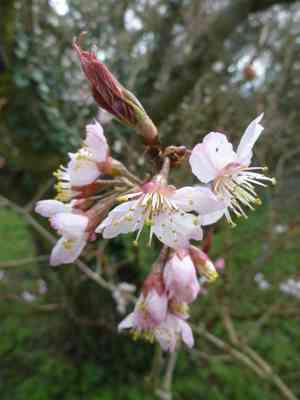
Originating from East Asia, Prunus tomentosa is celebrated for its acidic berries and aesthetic appeal. Reproduction is primarily accomplished via seed planting, though successful outcomes demand meticulous care. Seeds must be newly harvested and conditioned to overcome dormancy. Following placement in porous soil, consistent hydration and warmth are essential until sprouting occurs. Expert horticultural methods advise gentle handling to avoid harming the fragile root systems of nascent plants during relocation.
When Is the Best Time to Propagate Chinese Sour Cherry?
Propagation Method
Grafting
Propagation Period
Spring,Winter
What Tools Are Necessary for Chinese Sour Cherry Propagation?
Grafting Knife
A grafting knife is crucial for making precise incisions on the scion and rootstock of chinese sour cherry. Its sharp, slender blade ensures clean cuts that heal quickly and effectively, promoting successful graft union.
Pruning Shears
These shears are utilized to trim the scion and rootstock to the appropriate dimensions prior to grafting. Properly sized tools minimize damage to chinese sour cherry, increasing the likelihood of a successful graft.
Grafting Tape or Strips
This material is employed to securely bind the grafting site, maintaining alignment and protecting the cut areas from environmental stressors. The tape also retains moisture, aiding in the healing of chinese sour cherry.
Rooting Hormone
While more commonly associated with cutting propagation, rooting hormone can also stimulate faster root development in grafted chinese sour cherry plants. This acceleration is vital for establishing a robust, viable new plant.
Sterilizing Agent
Used to sanitize grafting tools, a sterilizing agent ensures that the tools are free from pathogens that could infect the graft sites. This is essential to prevent disease in chinese sour cherry, securing a healthy start for the new grafts.
How to Propagate Chinese Sour Cherry?
Propagation Difficulty
Moderately Difficult
How to Care for Your Newly Propagated Chinese Sour Cherry?
How to Care for Your Newly Propagated Chinese Sour Cherry?
Once grafting is successful and the scion begins to establish, gradually expose the plant to increased sunlight. Water the chinese sour cherry regularly to maintain moderately moist soil, especially during dry periods. Annually prune the tree during dormancy to maintain its shape, remove any dead or diseased branches, and encourage a healthy structure. Monitor for pests like aphids and diseases such as powdery mildew, applying appropriate treatments promptly. Fertilize annually with a balanced fertilizer to support vigorous growth and fruit production.
Common Mistakes to Avoid When Propagating Chinese Sour Cherry
Inadequate cutting preparation
Using dull tools or improper cutting techniques can harm chinese sour cherry's stem tissue, leading to poor rooting or potential disease entry.
Overwatering cuttings
Saturated soil can cause root rot in chinese sour cherry cuttings, impeding root development and potentially killing the plant.
Ignoring root hormone
Omitting the application of rooting hormone can result in significantly lower rooting success rates for chinese sour cherry.
Planting at incorrect depth
Planting cuttings too deep can cause chinese sour cherry cuttings to rot before establishment, while too shallow planting may not adequately support the cuttings.
Tips For Propagating Chinese Sour Cherry
Use sharp tools
Always use sterilized, sharp cutting tools to make clean cuts on chinese sour cherry, which helps prevent disease and promotes healthier rooting.
Control moisture levels
Maintain a balanced moisture level in the soil when rooting chinese sour cherry cuttings to support root growth without causing root rot.
Apply rooting hormone
Using a rooting hormone can significantly enhance the rooting success rate of chinese sour cherry cuttings by stimulating root development.
Optimal planting depth
Ensure that chinese sour cherry cuttings are planted at the correct depthâtypically two to three nodes buriedâto support stability and optimal root initiation.



