How to Prune Hollyleaf cherry?
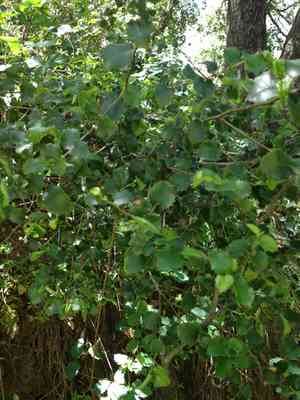
A local evergreen species featuring foliage resembling holly, the hollyleaf cherry provides abundant greenery and berries that draw in local fauna. To sculpt its form or manage its dimensions, perform pruning in the winter while the plant is inactive, which will stimulate robust growth in the spring. Begin by eliminating any lifeless or ailing branches, then reduce congested sections to enhance air movement. Restrict the extent of pruning to safeguard the berries, as they are crucial to its decorative value. Advantages of pruning encompass a more robust plant and a more regulated, visually appealing configuration.
What Are the Benefits of Pruning Hollyleaf Cherry?
What Are the Benefits of Pruning Hollyleaf Cherry?
Trimming hollyleaf cherry encourages robust development and helps maintain its desired form. Strategic cuts foster healthier, stronger growth and enable gardeners to manage size and shape for visual appeal or space limitations.
What Is the Best Time for Pruning Hollyleaf Cherry?
What Is the Best Time for Pruning Hollyleaf Cherry?
Pruning hollyleaf cherry in late winter to early spring, just before new growth begins, removes old or dead material, reduces pest and disease risk, and helps ensure plant vitality. This timing also avoids disrupting summer fruiting, directing the plant's energy towards healthy new growth and fruit production.
What Tools Do I Need to Prune Hollyleaf Cherry?
Hand Pruners
Perfect for precise cuts on hollyleaf cherry branches up to 3/4 inch in diameter. They provide clean cuts that encourage healthy regrowth.
Loppers
Recommended for cutting through thicker hollyleaf cherry branches up to 1 1/2 inches in diameter, offering extended reach and leverage.
Pruning Saw
Useful for removing mature hollyleaf cherry branches or limbs exceeding 1 1/2 inches in diameter. The saw's teeth are designed for efficient cutting on the pull stroke.
Hedge Shears
Suitable for shaping hollyleaf cherry when creating hedges or formal designs. Their long blades allow for trimming larger areas with each cut.
Pole Pruner
Essential for reaching higher hollyleaf cherry branches without a ladder. Features a pruning head for small branches and a saw for larger limbs.
Clean Cloth & Disinfectant
Regular tool disinfection prevents disease spread when pruning hollyleaf cherry, ensuring plant health.
How to Prune Hollyleaf Cherry
Clean
Before beginning to prune hollyleaf cherry, clean and sterilize all pruning tools. This prevents disease transmission and ensures a clean cut that will heal quickly.
Safety
Wear protective gloves and eyewear to shield yourself from hollyleaf cherry's sharp leaves and branches. Safety should always be paramount when pruning.
Identify
Carefully inspect hollyleaf cherry for dead and diseased branches. Dead branches will appear dry, brittle, and may be a different color than healthy growth. Diseased branches may show signs of discoloration, abnormal growths, or visible pests.
Pruning Cut
Use sharp pruning shears or a saw, depending on branch thickness, to make clean cuts. For dead branches, cut back to live wood, identifiable by green tissue when bark is slightly scraped. For diseased branches, cut at least 6 inches into healthy wood to ensure all diseased material is removed.
Dispose
After cutting, properly dispose of dead and diseased branches. Do not compost as this might spread disease. Sanitize pruning tools again after finishing to avoid contaminating other plants.
Common Pruning Mistakes with Hollyleaf Cherry
Over-Pruning
Removing too much foliage at once can stress hollyleaf cherry and slow its recovery, potentially weakening its defenses against pests and diseases.
Improper Cuts
Making cuts too close to the trunk or leaving large stubs can lead to disease and poor healing, as hollyleaf cherry requires precise cuts just above a bud or branching point for optimal health.
Shearing For Shape
Using shears to shape hollyleaf cherry into formal hedges or geometrical forms can encourage foliage growth only on the outermost layer, leading to a sparse interior that affects the plant's overall health.
Neglecting Tool Hygiene
Using dirty pruning tools can introduce pathogens to fresh cuts on hollyleaf cherry, potentially infecting the plant with fungal diseases or viruses.
Ignoring Deadwood
Failing to regularly remove dead or damaged branches can become entry points for disease and pests, compromising the health and aesthetic of hollyleaf cherry.
Common Pruning Tips for Hollyleaf Cherry
Clean Tools
Ensure tools are cleaned and sterilized before and after pruning hollyleaf cherry to prevent disease spread.
Selective Thinning
Hollyleaf cherry benefits from thinning out dense branches to allow light and air to penetrate the canopy, improving overall health and reducing disease risk.
Heading Cuts
Use heading cuts to encourage bushier growth by cutting above a healthy bud facing the desired direction to shape hollyleaf cherry and promote new branch growth.
Renewal Pruning
Practice renewal pruning by removing a few of the oldest branches at the base every few years to rejuvenate hollyleaf cherry and encourage more vigorous growth.
Safety First
Wear protective gloves and use sharp, appropriate tools for the size and location of the branches to ensure safety and clean cuts when pruning hollyleaf cherry.
Pruning For Health
Regularly inspect and remove any diseased, damaged, or crossing branches to maintain the structural integrity and aesthetic of hollyleaf cherry.
Balanced Approach
Aim for a balanced approach by pruning no more than one-third of hollyleaf cherry's growth to maintain its natural shape and vigor without causing undue stress.



