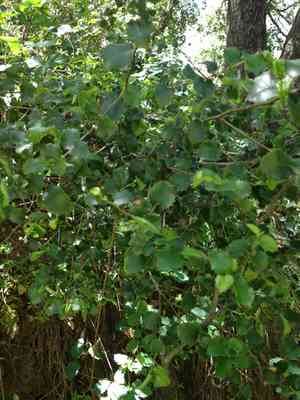
Hollyleaf cherry (Prunus ilicifolia)
Also known as: Islay
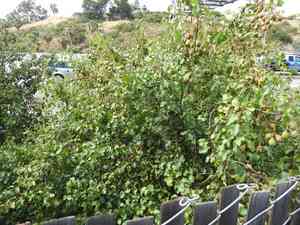
The Hollyleaf cherry (Prunus ilicifolia) is an evergreen shrub or small tree reaching heights of 91 to 792 cm. It has distinctive, glossy, spiny-toothed leaves that resemble holly and produces small white flowers from spring to summer. These flowers give way to dark red to purple cherries, which are edible but have a large pit and minimal flesh. When crushed, the leaves emit an almond-like scent but are toxic if ingested.
**Growing Conditions:**
1. **Light:** Thrives in full sun to partial shade.
2. **Soil:** Prefers well-drained soil, whether sandy or clay.
3. **Water:** Once established, it is drought-tolerant but benefits from occasional deep watering.
4. **Climate:** Best suited for Mediterranean climates; hardy in USDA zones 7-10.
5. **Care:** Minimal; occasional pruning to remove dead wood and maintain shape.
Ideal for hedges, erosion control, and providing wildlife habitat due to its dense foliage and fruit.
Attributes of Hollyleaf cherry
Images of Hollyleaf cherry
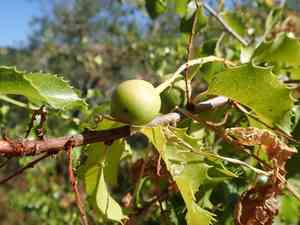
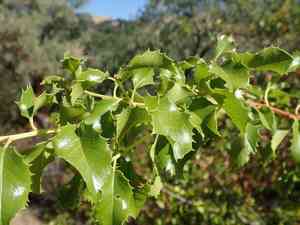
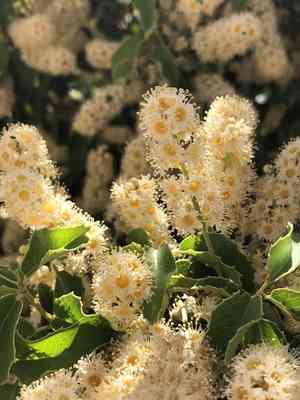
Quickly Identify Hollyleaf cherry
Scientific Classification of Hollyleaf cherry
Planting and Growing of Hollyleaf cherry
 How to Water Hollyleaf cherry?
 What Are the Sunlight Requirements for Hollyleaf cherry?
 What Is the Ideal Temperature Range for Hollyleaf cherry?
 What Soil is Best for Hollyleaf cherry?
 How to Fertilize Hollyleaf cherry?
 How to Prune Hollyleaf cherry?
 How to Propagate Hollyleaf cherry plant?
 How to Repot Hollyleaf cherry plant?
Toxicity of Hollyleaf cherry
Is Hollyleaf cherry toxic to cat?
Hollyleaf cherry poses a moderate toxicity risk for cats. If a cat consumes any portion of this plant, particularly the leaves or seeds, it may suffer from health issues. After ingestion, a cat may show signs of physical discomfort or distress. While the exact chemical substances responsible for these reactions are not detailed, the possibility of negative effects calls for caution. It is crucial for cat owners to ensure their pets are kept away from hollyleaf cherry and to monitor their cats for any signs of poisoning. If a cat displays any concerning symptoms after exposure to hollyleaf cherry, seeking immediate veterinary assistance is vital to effectively address the cat's health.
Is Hollyleaf cherry toxic to dog?
The hollyleaf cherry plant species presents a moderate toxicity hazard for dogs. Canines risk poisoning when they consume certain parts of this plant, particularly the leaves and seeds. Should a dog ingest these components, it may show various symptoms including gastrointestinal distress, vomiting, or diarrhea. Hence, it is vital for dog owners to remain alert and prevent their pets from coming into contact with or eating any portion of hollyleaf cherry. If a dog does happen to consume this plant, it is essential to obtain immediate veterinary assistance to ensure proper treatment and management of any possible poisoning.



