How to Propagate Hollyleaf cherry?
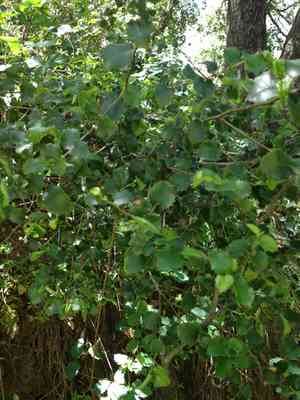
The California-native evergreen shrub, hollyleaf cherry, is commonly multiplied via cuttings, aligning with its natural rooting behavior. Effective propagation begins by choosing robust, semi-hardwood stems, preferably from areas of strong development. Each cutting segment ought to possess multiple leaf nodes, as these are the sites of root emergence. To encourage superior root formation, it is recommended to apply a rooting compound to the severed end and ensure the growing medium remains uniformly damp yet adequately drained, within a consistent environment devoid of temperature extremes.
What Is the Best Time To Propagate Hollyleaf Cherry?
Propagation Type
Cutting
Propagation Season
Autumn,Winter
What Tools Are Used in Hollyleaf Cherry Propagation?
Sharp pruning shears
These shears are vital for taking hollyleaf cherry cuttings. Sharp blades ensure clean cuts, preventing parent plant damage and boosting cutting survival. Precise cuts reduce infection risk and promote faster healing.
Rooting hormone
Rooting hormone is key for boosting root growth in hollyleaf cherry cuttings. It encourages root development at the cutting's base, greatly improving propagation success. This hormone comes in gel, powder, or liquid forms, easily applied to the cut end.
Sterile potting mix
A sterile potting mix offers a safe, clean environment for hollyleaf cherry cuttings to root. This medium is free of pathogens and pests, lowering disease risk that could harm the rooting process. A well-draining, nutrient-balanced mix supports ideal growth.
Propagation trays or containers
These hold hollyleaf cherry cuttings and potting mix. Trays or containers with good drainage and appropriate size encourage effective rooting and growth. They should also be sturdy to support cuttings stably until fully rooted and ready for transplanting.
Plastic covers or mini-greenhouses
Plastic covers or mini-greenhouses maintain high humidity around hollyleaf cherry cuttings, crucial for rooting. High humidity prevents cuttings from losing too much moisture through transpiration, increasing successful propagation likelihood.
How to Propagate Hollyleaf Cherry?
Propagation Type
Moderately Difficult
How to Care for Your Newly Propagated Hollyleaf Cherry?
How to Care for Your Newly Propagated Hollyleaf Cherry?
Once roots are established, gradually introduce the young hollyleaf cherry to drier conditions by slowly opening the plastic cover over several days. After removing the cover, keep the soil consistently moist and provide partial to full sunlight. As the plant matures, transition to standard hollyleaf cherry care, including regular watering to maintain slightly moist soil and bi-annual fertilization during the growing season. Hollyleaf cherry benefits from occasional pruning to maintain shape and promote health.
Common Mistakes to Avoid When Propagating Hollyleaf Cherry
Overwatering cuttings
Excessively wet soil can lead to rooting issues like rot, negatively impacting the ability of hollyleaf cherry cuttings to develop a healthy root system.
Using non-sterile tools
Failing to sterilize cutting tools can introduce disease-causing agents to hollyleaf cherry, potentially leading to illnesses that hinder growth or kill the plant.
Cutting improper nodes
Selecting older, woodier stems or incorrect nodes for hollyleaf cherry cuttings can decrease the chances of successful root development.
Neglecting humidity levels
Insufficient moisture in the air around hollyleaf cherry cuttings may cause them to dry out, impeding the rooting process.
Overfertilizing
Applying too much fertilizer to young hollyleaf cherry plants can result in salt accumulation and root burn, hindering growth and establishment.
Tips For Propagating Hollyleaf Cherry
Use semi-hardwood cuttings
Semi-hardwood cuttings from hollyleaf cherry are more likely to root successfully, leading to a stronger plant.
Proper cut placement
Make cuts just below the node for hollyleaf cherry cuttings to maximize rooting potential, as roots are most likely to emerge from these points.
Sterilize equipment
Sterilize equipment before cutting hollyleaf cherry to minimize pathogen introduction, increasing the chances for a healthy new plant.
Maintain proper humidity
Use a humidity dome or mist regularly to keep the air around hollyleaf cherry cuttings moist, which helps prevent them from drying out.
Rooting hormone application
Utilizing rooting hormones on hollyleaf cherry cuttings can significantly improve rooting success rates by stimulating root growth at the cut site.



