How to Prune Wedge-leaf primrose?
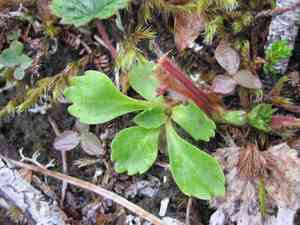
The wedge-leaf primrose is notable for its characteristic wedge-like leaves and vivid blossoms. To achieve peak development, trim wedge-leaf primrose during the initial part of spring or the latter part of winter, prior to the emergence of new shoots. Concentrate on eliminating any deceased or impaired leaves and faded flower stems to foster more vigorous flowering and avert ailments. Performing this trimming during these periods corresponds with the plant's inherent growth rhythm and facilitates strong spring expansion. This method improves air movement and exposure to sunlight, thereby boosting the plant's general health.
What Are the Benefits of Pruning Wedge-leaf Primrose?
What Are the Benefits of Pruning Wedge-leaf Primrose?
Trimming wedge-leaf primrose encourages robust development and helps maintain its form. It boosts healthy growth and flowering, manages plant size, deters pests and diseases, and improves overall look. These advantages ensure wedge-leaf primrose's strong and attractive presence in gardens.
What Is the Best Time for Pruning Wedge-leaf Primrose?
What Is the Best Time for Pruning Wedge-leaf Primrose?
Trimming wedge-leaf primrose in early spring and late winter is ideal as this period aligns with the plant's dormant phase, minimizing stress and fostering healthy growth. This timing also ensures that pruning doesn't disrupt the plant's flowering cycle, leading to an abundant bloom season. Furthermore, pruning during these seasons helps eliminate any dead or damaged growth accumulated over winter, promoting a healthier and more vigorous plant.
What Tools Do I Need to Prune Wedge-leaf Primrose?
Bypass Pruners
Perfect for making clean cuts on live, green stems of wedge-leaf primrose without crushing plant tissue. Essential for maintaining healthy growth.
Precision Pruning Shears
Useful for detailed tasks on wedge-leaf primrose, such as removing faded blooms or damaged foliage. Their small size allows for careful trimming.
Cleaning Brush
Keeps your pruning tools clean before and after use to prevent disease spread within wedge-leaf primrose. Maintaining clean tools is crucial for plant health.
How to Prune Wedge-leaf Primrose
Inspect
Regularly check wedge-leaf primrose for any indications of diseased or withered foliage. Look for discoloration, spots, or drooping.
Tools
Prepare clean, sharp pruning shears or scissors. Sanitize the tools using rubbing alcohol to prevent the spread of disease.
Remove Diseased
Carefully cut away any diseased leaves, ensuring to cut close to the base of the leaf stem without harming the healthy parts of wedge-leaf primrose. Dispose of the diseased leaves properly.
Trim Withered
Trim withered leaves by cutting them back to the plant's base. Ensure you do not pull or tug at the leaves to avoid damaging the plant.
Clean Up
After pruning, remove and dispose of all trimmed leaves and debris from around wedge-leaf primrose to prevent any potential pest or disease issues. Keep the area around the plant clean.
Common Pruning Mistakes with Wedge-leaf Primrose
Timely Pruning
Many gardeners often prune wedge-leaf primrose at the wrong time, either too late or too early, which can interfere with its blooming cycle.
Over-Pruning
Novices sometimes remove too much foliage, which can stress the plant and reduce its ability to photosynthesize effectively.
Improper Tools
Using dull or dirty tools can cause torn or ragged cuts, increasing the risk of disease and pest infestation.
Incorrect Cut Placement
Making cuts too close to the base or the main stem can harm the plant by removing vital growth points.
Common Pruning Tips for Wedge-leaf Primrose
Use Sharp, Clean Tools
Always ensure your pruning shears or scissors are sharp and sterilized to make clean cuts and reduce the risk of infection.
Focus on Deadheading
Regularly remove spent flowers and dead leaves to encourage new growth and prolong the blooming period.
Prune Selectively
Trim only the necessary parts, focusing on removing dead or diseased foliage and crossing branches to maintain a healthy structure.
Maintain Good Air Circulation
Thinning out dense areas within the plant promotes better air circulation, reducing the likelihood of fungal issues.



