How to Propagate Wedge-leaf primrose?
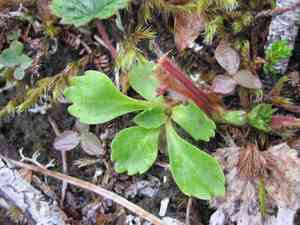
The wedge-leaf primrose flourishes in damp, adequately drained ground under dappled light. To achieve the best propagation results, utilize newly harvested seeds, planting them in a substrate abundant in organic compounds to boost sprouting. Keep the soil hydrated and shield from direct solar exposure until young plants appear. Providing a consistent setting aids in fostering robust development. Carefully relocate the young plants to avoid disrupting their root systems.
What Is the Best Time To Propagate Wedge-leaf Primrose?
Propagation Type
Sowing
Propagation Season
Spring
What Tools Are Used in Wedge-leaf Primrose Propagation?
Seed Tray
A seed tray offers a controlled setting for planting seeds, guaranteeing ideal soil conditions and room for young plants to grow.
Fine Seed Compost
Fine seed compost delivers essential nutrients and optimal soil structure, fostering robust germination and initial growth for wedge-leaf primrose.
Seed Sower
A seed sower ensures uniform distribution of wedge-leaf primrose's seeds, preventing crowding and boosting successful germination rates.
Mister Spray Bottle
A mister spray bottle provides a gentle water mist, maintaining consistent moisture levels in the seed tray without disturbing the soil or seeds.
Seedling Heating Mat
A seedling heating mat supplies steady warmth, vital for the germination of wedge-leaf primrose, especially in cooler settings, speeding up the sprouting process.
Labels and Markers
Labels and markers assist in identifying and tracking wedge-leaf primrose seedlings, ensuring proper care and management through various growth stages.
Grow Lights
Grow lights supplement natural light, promoting healthy photosynthesis and growth for wedge-leaf primrose, particularly indoors or in low-light conditions.
How to Propagate Wedge-leaf Primrose?
Propagation Type
Easy
How to Care for Your Newly Propagated Wedge-leaf Primrose?
How to Care for Your Newly Propagated Wedge-leaf Primrose?
Post-transplant, water wedge-leaf primroses thoroughly, ensuring ample moisture without saturation. Apply mulch around plant bases to retain moisture and suppress weeds. Use a balanced, slow-release fertilizer for healthy development. Regularly inspect plants for pests or diseases, addressing issues promptly. Ensure good air circulation to prevent fungal problems.
Common Mistakes to Avoid When Propagating Wedge-leaf Primrose
Overwatering
Too much moisture can cause root rot, fungal infections, and ultimately kill the plant. Good drainage is crucial.
Poor Soil Quality
Using soil that is too dense or lacks nutrients can hinder growth and impede root development.
Incorrect Light Exposure
Providing excessive or insufficient light can weaken the plant, making it less likely to flourish. Balance is key.
Ignoring Humidity Levels
Low humidity can lead to plant dehydration and may prevent successful propagation.
Improper Handling
Rough handling of cuttings or divisions can damage delicate tissues, reducing the chances of successful propagation.
Tips For Propagating Wedge-leaf Primrose
Use Well-Draining Soil
Ensure the soil mixture drains effectively to prevent waterlogging and root rot.
Maintain Moderate Moisture
Keep the soil consistently damp but not saturated to support healthy root development.
Provide Filtered Light
Position the plant in a spot with indirect, filtered light to avoid leaf burn and encourage healthy growth.
Monitor Humidity
Maintain a moderately humid environment to aid the propagation process. A humidity tray or regular misting can be beneficial.
Handle with Care
Use clean, sharp tools when taking cuttings or dividing the plant, and handle the cuttings gently to minimize damage.



