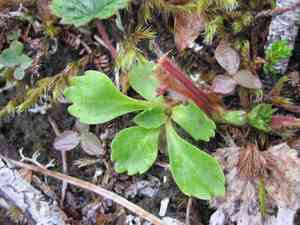
Wedge-leaf primrose (Primula cuneifolia)
Also known as: Cuneate-leaved Primrose, Wedgeleaf Primrose
The wedge-leaf primrose is a robust perennial that prospers in moist, high-altitude alpine and subalpine regions. It forms a rosette of wedge-shaped leaves that narrow towards the base. During spring, it produces striking yellow flowers with a short tube and a flat corolla, elevated on a bare stem. These bright blooms draw in pollinators, which are crucial for its survival in these elevated habitats.
In This Article
Attributes of Wedge-leaf primrose
Lifespan
Perennial
Plant Type
Herb
Plant Height
10-20 cm
Spread
N/A
Leaf Color
Green
Flower Size
1-2 cm
Flower Color
Pink, Purple
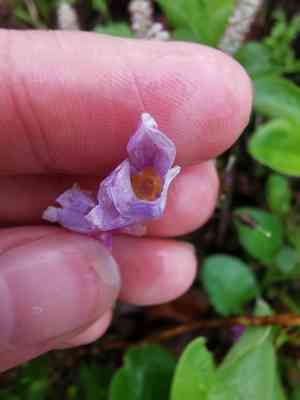
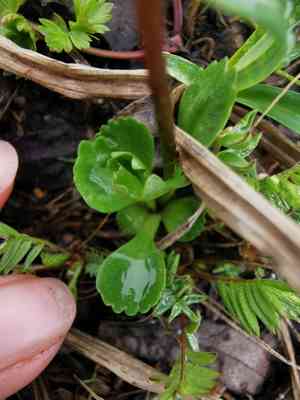
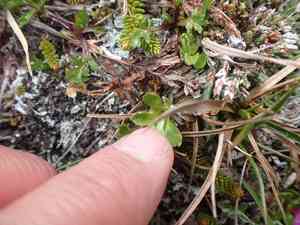
Images of Wedge-leaf primrose
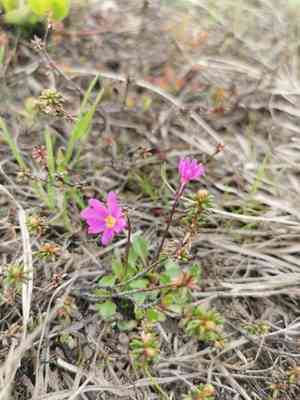
Quickly Identify Wedge-leaf primrose
1
Primula cuneifolia can be identified by its wedge-shaped leaves that taper to a narrow base. It typically displays a rosette of basal leaves and produces clusters of small, fragrant flowers that are usually pink or purple. The flowers have a tube-shaped corolla with five lobes.
Scientific Classification of Wedge-leaf primrose
Phylum
Vascular plants
Class
Dicotyledons
Order
Ericales
Family
Primrose
Genus
Primroses
Species
Wedge-leaf primrose
Planting and Growing of Wedge-leaf primrose
Care Difficulty
Moderate
Watering Schedule
Every 4 days
Sunlight Requirements
Partial sun
Sunshine Duration
4-8 hours
Ideal Temperature
50-65℉
Soil Type
Potting Mix, Peat Mix
Soil pH
5.5-7
Fertilizer Type
Balanced
Pruning Season
Spring, Summer
Pruning Area
Branches, Leaves
Pruning Frequency
Once a year
Repotting Season
Spring
Pot Type
Plastic, Ceramic
 How to Water Wedge-leaf primrose?
Primula cuneifolia thrives when its soil is evenly moist. Water until slight drainage is observed from the bottom of the pot, but avoid waterlogging the soil. This ensures roots are hydrated without drowning.
What are the symptoms of an underwatered Wedge-leaf primrose?
›
What should I do if my Wedge-leaf primrose is not getting enough water?
›
What are the symptoms of an overwatered Wedge-leaf primrose?
›
How to save an overwatered Wedge-leaf primrose?
›
 What Are the Sunlight Requirements for Wedge-leaf primrose?
Primula cuneifolia benefits from partial sun to full shade. Ideal light helps maintain its colorful leaves and supports blooming. Maintaining the correct light exposure ensures robust plant health and growth.
What is the ideal light amount for Primula cuneifolia?
›
How to achieve the ideal lighting conditions?
›
What are the benefits of ideal lighting?
›
 What Is the Ideal Temperature Range for Wedge-leaf primrose?
The ideal temperature range for Primula cuneifolia is between 50°F and 65°F. Within this range, the plant maintains vigorous growth and vibrant bloom production. Colder conditions might slow growth, while elevated temperatures can stress the plant and reduce its flowering potential.
 What Soil is Best for Wedge-leaf primrose?
Primula cuneifolia thrives in well-drained soil to prevent waterlogging, which can lead to root rot. Ensuring good drainage provides the plant roots with necessary oxygen and allows for optimal nutrient uptake. This plant requires soil that retains some moisture without becoming waterlogged. A balanced level of soil moisture supports continuous growth and prevents leaf wilting, particularly during dry spells. For healthy growth, Primula cuneifolia benefits from soil rich in organic matter, which supplies essential nutrients. This leads to vibrant foliage and abundant flowering, enhancing the plant's natural beauty.
 How to Fertilize Wedge-leaf primrose?
Primula cuneifolia requires a balanced approach to fertilization, ensuring it receives nutrients without overwhelming its roots. During the growing season, apply a light liquid fertilizer at a diluted rate of 1/4 strength. This concentration helps maintain its delicate nutrient balance without causing stress.
 How to Prune Wedge-leaf primrose?
Begin by identifying older, discolored, or wilted leaves. These are usually found at the base and can hinder new growth if not removed. Use clean, sharp scissors to cut away these leaves close to the stem without damaging the healthy parts of the plant. Focus on areas where the foliage seems dense, as this can prevent air circulation and light penetration. Thin out these areas to allow better air flow and promote new leaf and flower development. Be careful not to remove too much foliage at once, which can stress the plant. After handling old and crowded growth, step back and assess the overall shape of your plant. Trim any odd or uneven growth to maintain a balanced, aesthetically pleasing shape. This step is mostly about enhancing the plant's visual appeal.
More About Pruning Techniques→
 How to Propagate Wedge-leaf primrose plant?
1
Sow the seeds in seed trays filled with a well-draining seed starting mix. Keep the soil lightly moist and maintain a temperature around 15-20°C (59-68°F) for optimal germination.
2
In early spring, carefully dig up mature plants and gently separate the root ball into smaller sections. Ensure each section has a healthy root system before replanting.
3
Once seedlings have developed their first true leaves, carefully transplant them into larger pots or prepare them for outdoor planting, ensuring not to damage the fragile roots.
 How to Repot Wedge-leaf primrose plant?
1
Repot Primula cuneifolia when you notice roots emerging from the bottom of the pot or when growth appears stunted. Usually, this indicates the plant has outgrown its current abode and needs more room to spread its roots comfortably. Another signal can be soil that dries out too quickly after watering, meaning it’s time for a larger pot or fresh soil.
2
Select a pot that is 1-2 inches larger in diameter than the current one. It should have proper drainage holes to prevent root rot by allowing excess water to escape. A slightly larger size encourages healthy root growth without overwhelming the plant with too much extra space. Opting for a clay pot can help regulate moisture levels effectively.
3
Choose a well-draining, loamy soil mix rich in organic matter to provide balanced nutrients. This type of soil ensures adequate water retention without waterlogging, promoting healthy root development. Adding some perlite or sand can improve drainage, essential for preventing root rot in Primula cuneifolia.
Learn More About Wedge-leaf primrose Diseases
Anthracnose
Bacterial Leaf Spot
Bacterial Soft Rot
Crown Gall
Cyst Nematode
Damping-off
Downy Mildew
Drought Stress
Fusarium Wilt
Gray Mold
Leaf Spot
Mosaic
Nutrient Deficiency
Nutrient Toxicity
Powdery Mildew
Root Rot
Root-knot Nematode
Rusts
Sooty Mold
Spider Mites
Temperature Stress
Thrips Damage
White Mold
Chemical Injury



