How to Prune Pussyfoot?
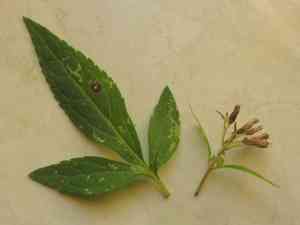
This robust, sprawling perennial thrives across diverse environments and frequently necessitates consistent upkeep to curb excessive expansion. Trimming should focus on shortening elongated stems to foster a denser form, ideally performed in spring or summer during its peak growth period. Swift elimination of faded blooms can restrict self-propagation and aggressive spread, while strategic cuts enhance the plant's visual appeal. Furthermore, pruning aids in improving air circulation, thereby diminishing the likelihood of disease.
What Are the Benefits of Pruning Pussyfoot?
What Are the Benefits of Pruning Pussyfoot?
Trimming pussyfoot promotes robust development and maintains its form. By eliminating dead or overgrown branches, the plant can direct its energy towards producing new, healthy growth, resulting in a more vigorous and attractive appearance.
What Is the Best Time for Pruning Pussyfoot?
What Is the Best Time for Pruning Pussyfoot?
Pruning pussyfoot in Spring is optimal as the plant emerges from dormancy and can quickly heal from cuts before its rapid growth phase. Early Summer trimming helps shape the plant and manage its size or spread without impacting flowering, which typically occurs in late Summer to Fall. Pruning during these periods ensures strong regrowth, maintains plant health, and maximizes blooming potential.
What Tools Do I Need to Prune Pussyfoot?
Hand Pruners
Perfect for making clean cuts on pussyfoot's stems, allowing precise control over the plant's shape and dimensions.
Gardening Gloves
Pussyfoot may have delicate components that necessitate protecting the gardener's hands during pruning.
Pruning Saw
Useful for thicker stems or branches that hand pruners cannot manage, ensuring cuts are made without harming pussyfoot.
Loppers
Effective for reaching into denser pussyfoot foliage and cutting thicker stems with their extended handles, which provide leverage.
How to Prune Pussyfoot
Sanitize
Before beginning to prune pussyfoot, disinfect pruning tools using isopropyl alcohol or a bleach solution to prevent disease transmission.
Remove Diseased Leaves
Carefully inspect pussyfoot and remove any diseased leaves by cutting them at the base of the leaf stem, ensuring not to tear or damage surrounding healthy tissue.
Remove Withered Leaves
Identify and trim off all withered leaves from pussyfoot, using the same method as for diseased leaves to encourage healthy growth and improve air circulation.
Prune Diseased Stems
Cut back any diseased stems of pussyfoot several inches into the healthy tissue to ensure the entire affected area is removed. Make clean, angled cuts to facilitate water runoff and healing.
Dispose
Properly dispose of all removed diseased and withered material from pussyfoot to prevent the risk of reinfection or the spread of pests and diseases to other plants.
Common Pruning Mistakes with Pussyfoot
Overpruning
Removing too much foliage or too many stems at once can stress pussyfoot, leading to reduced vigor and potential susceptibility to disease.
Improper Cut Locations
Incorrect cut placements can result in damage to the main stem or create stubs that lead to decay and attract pests and diseases.
Using Dull Tools
Dull pruning tools may cause jagged cuts that are more prone to infection and impede recovery.
Neglecting Tool Hygiene
Failing to disinfect tools between cuts and plants can spread diseases, affecting pussyfoot and other garden species.
Pruning Healthy Growth
Indiscriminately cutting back healthy growth, rather than targeting dead or diseased areas, can diminish the blooming potential of pussyfoot.
Common Pruning Tips for Pussyfoot
Sharp Clean Cuts
Use sharp, clean tools to make precise cuts, which help pussyfoot recover more quickly and minimize stress.
Disinfection
Disinfect pruning tools both before and after use to prevent the spread of diseases to or from pussyfoot.
Target Dead Damaged
Focus on removing dead, diseased, or damaged stems to improve the health and appearance of pussyfoot.
Thin Out Crowded Areas
Thin out crowded areas to improve air circulation, reduce disease risk, and allow light to reach interior parts of pussyfoot.
Shape Conservation
While shaping pussyfoot, maintain the natural form of the plant, only cutting back where necessary to encourage a balanced, aesthetically pleasing growth.



