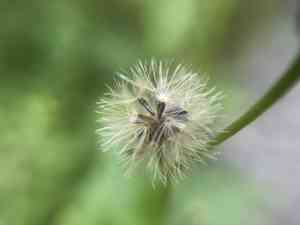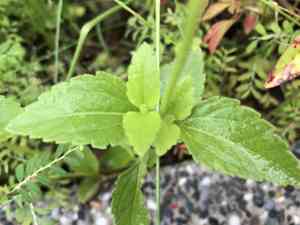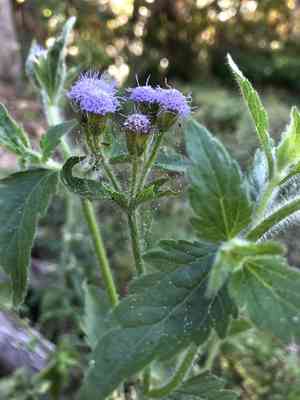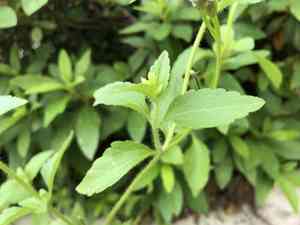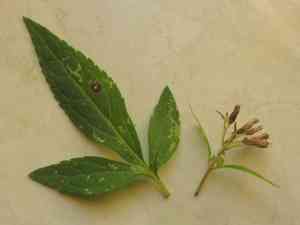
Pussyfoot(Praxelis clematidea)

Pussyfoot (Praxelis clematidea)

Also known as: Praxelis, Brazilian Vervain

Praxelis clematidea, originally from South America, has become an invasive species in regions such as Australia and North America. Key factors in its spread include:

1. **Seed Dispersal**: The plant generates numerous small seeds that can be easily carried by the wind or cling to animals, aiding in widespread distribution.
2. **Reproductive Efficiency**: Its ability to reproduce rapidly enables it to establish and expand quickly in new areas.
3. **Human Influence**: Activities such as trade and transportation inadvertently facilitate the plant's introduction to non-native regions.

These elements combined have allowed Praxelis clematidea to become an invasive presence outside its native habitat.

Attributes of Pussyfoot

Lifespan
Perennial
Plant Type
Herb, Shrub
Plant Height
1 m to 1.3 m
Spread
Approximately 50 cm
Leaf Color
Green
Flower Size
4.5 mm
Flower Color
Purple

ForwardPlant - Identify plants with a snap

Identify and diagnose plants, get toxicity alerts, and explore safety guides for all types of fungi.

Try for Free

Images of Pussyfoot

Pussyfoot(Praxelis clematidea)

Quickly Identify Pussyfoot

1
Praxelis clematidea can be identified by its lance-shaped leaves which are serrated at the edges and its clusters of small, tubular, lavender flowers. The plant emits a distinct, somewhat aromatic odor when its leaves are crushed.

Scientific Classification of Pussyfoot

Phylum
Vascular plants
Class
Dicotyledons
Order
Asterales
Family
Daisy
Genus
Praxelis
Species
Pussyfoot

Planting and Growing of Pussyfoot

Care Difficulty
Easy
Watering Schedule
Every 3 days
Sunlight Requirements
Partial sun
Sunshine Duration
6-10 hours
Ideal Temperature
68-77℉
Soil Type
Potting Mix, Peat Mix
Soil pH
6.5-7.5
Fertilizer Type
Balanced
Pruning Season
Spring, Summer
Pruning Area
Branches, Leaves
Pruning Frequency
2 times a year
Repotting Season
Spring
Pot Type
Plastic, Ceramic

water icon How to Water Pussyfoot?

When watering Praxelis clematidea, it is important to ensure the soil is kept sufficiently moist but not waterlogged. Aim for approximately 250 milliliters per session, adjusting slightly based on environmental conditions. The goal is to ensure the root zone is adequately saturated without excess water pooling, which can lead to root rot.
What are the symptoms of an underwatered Pussyfoot? ›
What should I do if my Pussyfoot is not getting enough water? ›
What are the symptoms of an overwatered Pussyfoot? ›
How to save an overwatered Pussyfoot? ›

sunlight icon What Are the Sunlight Requirements for Pussyfoot?

Sunlight Requirements: Partial sun, Full sun
Duration of light: 6 to 8 hours
Partial sun provides Praxelis clematidea with balanced light for optimal growth. Full sun ensures maximum photosynthesis for robust flowering and healthier foliage.
What is the best location for light? ›
How can I achieve the ideal lighting? ›
What benefits does ideal lighting provide? ›

temperature icon What Is the Ideal Temperature Range for Pussyfoot?

Ideal Temperature: 68 ~ 77℉
The optimal temperature range for Praxelis clematidea cultivation is between 68°F and 77°F. This range provides the best conditions for growth, ensuring that the plant's metabolic processes occur efficiently and without stress. Maintaining temperatures within this range helps prevent potential damage from environmental extremes.

soil icon What Soil is Best for Pussyfoot?

Soil type: Loam, Sandy loam
Soil PH: 6.5 ~ 7.5
Praxelis clematidea thrives in nutrient-rich soil because it supplies the necessary minerals and vitamins for optimal growth. Soils rich in nitrogen and phosphorous can significantly enhance its flowering cycles and overall plant health. The plant demands a well-draining substrate to prevent waterlogging, which can lead to root rot. Proper drainage ensures that water doesn't accumulate, allowing roots to breathe and absorb nutrients efficiently. An aerated soil texture supports root proliferation and ensures that air pockets are present. Such a structure favors microbial activity, vital for breaking down organic matter to release nutrients.

fertilize icon How to Fertilize Pussyfoot?

Fertilizer type: Balanced
For Praxelis clematidea, it is advised to use a balanced fertilizer (such as a 10-10-10 formula). Apply liquid fertilizer with one liter of water, ensuring thorough dissolution. For solid fertilizers, use roughly 50 grams per treatment to evenly nourish the soil without overwhelming the roots.

prune icon How to Prune Pussyfoot?

Pruning Time: Spring, Summer, Autumn, Winter
Begin by examining the plant for any dead or damaged stems. Use your pruners to cut these stems back to healthy tissue. This encourages new growth and maintains overall plant health. Identify dense areas and thin them to enhance air circulation. Remove selective branches from the center. This process prevents the plant from becoming too bushy and reduces the risk of disease. Trim back excessive growth to maintain the desired shape and size. Make cuts slightly above a leaf joint at a 45-degree angle, which promotes faster healing and an attractive appearance. After flowering, selectively prune to remove spent blooms. This not only tidies the plant but also channels the plant's energy into new growth and subsequent flowering periods. More About Pruning Techniques→

propagate icon How to Propagate Pussyfoot plant?

Propagate Time: Spring,Early spring
1
Start by filling a seed tray with a well-draining potting mix. Evenly distribute the seeds over the surface and cover lightly with the mix. Water gently and place in a warm, bright area for germination.
2
Select a healthy stem of Praxelis clematidea and cut a 4-6 inch piece below a node. Remove the lower leaves and dip the cut end in rooting hormone to encourage root development.
3
Insert the prepared cutting into a pot filled with moist potting mix. Ensure it's stable and not too deep. Cover with a plastic bag to maintain humidity but leave a small opening for air circulation.
More About Propagating Techniques→

repot icon How to Repot Pussyfoot plant?

Repotting frequency: Every two years
1
Praxelis clematidea shows it needs repotting when you notice roots emerging from the drainage holes or when growth becomes sluggish. Also, if water sits on top of the soil instead of draining quickly, it's a signal to consider repotting.
2
Opt for a pot that's one to two inches larger in diameter than the current one. This size allows the roots to expand comfortably without overly moist soil conditions. A pot with drainage holes ensures excess water escapes, preventing root rot.
3
Use well-draining loamy soil rich in organic matter. It supports healthy root development by providing nutrients while preventing waterlogging. A soil mix with good aeration and fertility gives your plant room to thrive.

ForwardPlant - Identify plants with a snap

Find the best spots for them to optimize their health, simply using your phone.

Try for Free