How to Propagate Pussyfoot?
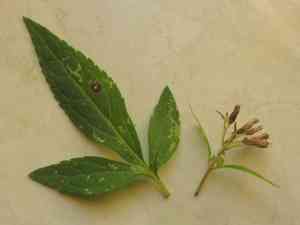
Pussyfoot propagates effectively via seeding. Cultivators ought to provide a rich, adequately draining substrate to boost sprouting success. Surface planting is advisable, given that pussyfoot needs sufficient illumination to commence development, utilizing a fine covering of earth or sand that retains dampness without inducing seed decay. Prudent irrigation must prevent dislodging the tiny seeds, and despite its hardiness, pussyfoot thrives with consistent warmth and shelter from harsh climatic conditions. After the young plants are rooted, they can be carefully relocated to avert root trauma.
Optimal Time for Pussyfoot Propagation
Propagation Type
Sowing
Propagation Season
Spring
Tools for Pussyfoot Propagation
Seed trays
Seed trays are crucial for initiating pussyfoot from seeds, offering an organized space for planting. The tray's compartments ensure even seed distribution and security, aiding consistent germination. For pussyfoot, shallow trays are advised as their seeds don't need deep soil to sprout effectively.
Fine-grained soil mix
This medium helps pussyfoot's delicate seeds establish well by preventing soil compaction. A fine-grained mix provides good aeration and drainage, vital for small seed germination like pussyfoot. It also lowers the chance of fungal infections, which can be harmful during early propagation.
Misting bottle
A misting bottle allows for gentle watering of seeds without disturbing their position in the soil. This is particularly important for pussyfoot, whose seeds could be dislodged or buried too deeply by stronger water streams, hindering germination.
Grow light system
A grow light system is beneficial if natural light is insufficient, especially indoors. It supplies the necessary light spectrum for healthy pussyfoot seedling growth, mimicking natural sunlight to encourage robust, disease-resistant plants.
Heating mat
A heating mat maintains a steady soil temperature, optimizing the germination environment for pussyfoot. Many seeds, including pussyfoot, need specific temperatures to germinate. An adjustable heating mat allows precise soil temperature control, boosting germination success.
How to Propagate Pussyfoot?
Propagation Type
Easy
Caring for Newly Propagated Pussyfoot
Caring for Newly Propagated Pussyfoot
Once pussyfoot seedlings are established and have reached a good size, they can be moved to their permanent growing spot. Select a location with full sun to partial shade and well-draining soil. Regular watering is important, especially in dry conditions, but avoid overwatering. Lightly fertilize during the growing season to encourage healthy foliage and blooms.
Common Mistakes to Avoid When Propagating Pussyfoot
Overwatering
Excessive watering of pussyfoot after propagation can lead to root rot and fungal issues. This species prefers well-drained soil, and too much water can create an environment that weakens the plant's root system and reduces its survival chances.
Too much sunlight
Exposing pussyfoot to intense direct sunlight immediately after propagation can stress the plant, potentially causing leaf scorch or wilting. This plant requires gradual exposure to high light levels to ensure strong growth without damage.
Excessive handling
Frequent handling or disturbance of pussyfoot during early root development can harm delicate new roots, hindering the plant's ability to establish itself. This could significantly impact the plant's overall health and vigor.
Tips For Propagating Pussyfoot
Moderate watering
Providing moderate watering ensures the soil remains moist but not waterlogged, creating an ideal environment for pussyfoot to develop strong roots without the risk of waterlogging-related diseases.
Partial shade
Placing pussyfoot in a location with partial shade can help protect young plants from excessive sunlight, promoting healthy growth and reducing stress during the critical initial establishment period.
Gentle handling
Handling pussyfoot gently and minimizing root disturbance during transplantation encourages better root establishment and reduces the risk of transplant shock, thereby enhancing the plant's growth and propagation success.



