Enhancing Your Garden Design with the Pussyfoot Plant: A Landscaping Guide
1
Pussyfoot provides distinct visual qualities that improve garden beauty.
2
Appropriate positioning of Pussyfoot involves evaluating light, earth, and environment.
3
Combining Pussyfoot with other components promotes a balanced outdoor space.
Appreciating Pussyfoot's Visual Charm
Appearance: hues and texture
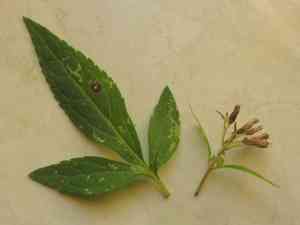
When planning your garden layout, Pussyfoot can bring a delightful visual element. With its distinct texture and understated colors, Pussyfoot effortlessly blends with both vivid and subdued color schemes. This adaptable plant offers a refreshing green background that complements blooming plants and adds depth to your garden's look. The unique feel of Pussyfoot's leaves contrasts with smoother, shinier plants, making it ideal for a dynamic yet unified appearance.
Growth patterns: size and shape
Pussyfoot displays growth habits that contribute to its appeal as an ornamental plant. Typically, it reaches a moderate height, making it suitable as ground cover or a subtle accent in garden beds. Its form is often bushy and spreading, which helps fill spaces and create a lush, full look in your landscaping. Understanding this growth ensures Pussyfoot can be effectively used for a balanced and attractive layout that complements other garden features.
Selecting the Ideal Spot for Pussyfoot in Your Garden
Light requirements: sun and shade
For optimal growth, Pussyfoot needs specific light conditions. It thrives best in areas receiving partial to full sunlight. While it can endure some shade, insufficient light may result in less vibrant growth. Therefore, placing Pussyfoot where it gets morning sun but is protected from harsh afternoon rays will keep it healthy and flourishing. Be aware of your garden's varying light to find the most suitable planting spot.
Preferred soil types
Soil quality significantly impacts Pussyfoot's successful growth. This plant flourishes in well-draining soil rich in organic matter. Light, sandy soils are perfect, though Pussyfoot can adapt to various soil types as long as drainage is adequate. Before planting, it's good to enrich the soil with compost or organic fertilizers to boost nutrients and ensure prime growing conditions for Pussyfoot.
Placement near other plants and structures
When incorporating Pussyfoot into your landscape, consider its closeness to other plants and structures. This plant works well as a front-row feature in garden beds or along paths, where its lower height doesn't block taller plants. Planting Pussyfoot near shrubs or taller perennials can create a lovely layered effect. Also, consider its spread when placing near structures to prevent it from encroaching on walkways or other planting areas.
Integrating Pussyfoot with Other Landscape Elements
Compatible plant varieties
Pairing Pussyfoot with complementary plant species can enhance your landscape design's beauty and coherence. Consider plants with contrasting leaf shapes, sizes, and colors for visual interest. Flowering plants with bright blooms can stand out against Pussyfoot's subtle foliage. Additionally, combining Pussyfoot with plants that have similar care needs ensures a harmonious and low-maintenance garden.
Design themes and styles
Pussyfoot is versatile enough to fit into various garden design themes and styles. Whether you prefer a rustic cottage garden, a modern minimalist layout, or an English country garden, Pussyfoot can adapt and improve the overall aesthetic. It serves as an excellent filler that connects different garden sections, making transitions between styles smooth and natural.
Creating focal points and accents
Use Pussyfoot strategically to create focal points and accents within your garden. For instance, planting Pussyfoot densely around a garden feature like a fountain or sculpture can draw attention and create a charming setting. Additionally, Pussyfoot can act as a natural border along pathways or garden edges, guiding the eye and giving structure to the landscape. Such deliberate placements can transform your garden into a cohesive and visually appealing space.
Maintenance Tips for a Thriving Pussyfoot in Your Landscape
Watering and feeding routines
Maintaining Pussyfoot involves consistent watering and feeding practices. Regular watering is crucial, especially during dry periods, to keep the soil adequately moist but not waterlogged. Additionally, feeding Pussyfoot with balanced, slow-release fertilizers during the growing season supports its health and vibrancy. Monitoring moisture levels and adjusting watering based on climate will help keep Pussyfoot in optimal health.
Pruning and trimming methods
Pruning and trimming are vital for maintaining Pussyfoot's shape and health. Regularly trim back overgrown stems to encourage new growth and maintain a bushy, attractive form. Remove any dead or diseased foliage to prevent the spread of pests and disease. Light pruning after the flowering season can also encourage more robust growth and flowering in the next cycle. These simple practices will ensure Pussyfoot stays lush and well-maintained year-round.



