How to Prune Little spurflower?
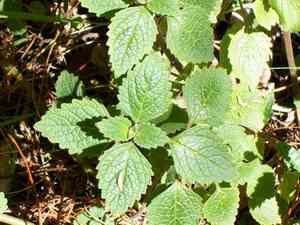
This adaptable groundcover or potted plant, little spurflower, flourishes with consistent shaping to preserve its compact form and vivid leaves. The best times for pruning are from spring to autumn, which stimulates robust development and blooming. Throughout these months, gently nip the ends to foster a more substantial shape. Routinely eliminating aged or discolored foliage boosts the plant's vitality and visual attractiveness.
Advantages of Trimming Little Spurflower
Advantages of Trimming Little Spurflower
Trimming little spurflower promotes robust development and maintains a neat shape. Consistent cutting helps prevent elongated stems, encourages denser foliage, and ensures the plant remains appealing and manageable in size.
Optimal Time for Pruning Little Spurflower
Optimal Time for Pruning Little Spurflower
Pruning little spurflower during Spring, Summer, and Fall aligns with its active growth periods, fostering vigorous development and healthy leaves. Spring pruning aids in removing any winter damage and shaping the plant for the upcoming growth season. Summer pruning is beneficial for managing size and encouraging bushier growth, also allowing gardeners to remove any spent flowers to potentially extend the blooming period or enhance its visual appeal. Fall pruning, though lighter, can be used to remove dead or weak limbs, helping the plant maintain its form and prepare for winter without the stress of major cuts.
Necessary Tools for Pruning Little Spurflower
Bypass Pruners
Perfect for making clean, precise cuts on little spurflower, bypass pruners cause less harm to plant tissues compared to anvil pruners. This is crucial for preserving stem health during shaping.
Pruning Snips
Given little spurflower's delicate foliage and smaller stems, pruning snips are ideal for detailed trimming tasks. They offer greater control and are excellent for snipping away dead or overgrown foliage without disturbing surrounding plant parts.
Hand Pruning Shears
For larger stems or more extensive shaping, hand pruning shears provide the necessary cutting power. Their design allows for thicker stem cuts without excessive pressure, suitable for the robust growth segments of little spurflower.
How to Prune Little Spurflower
Clean tools
Before beginning to prune little spurflower, ensure all pruning tools are clean and sharp. Disinfect shears or scissors with a bleach or alcohol solution to prevent disease spread.
Remove diseased parts
Carefully inspect little spurflower for any diseased leaves and branches. Use pruning tools to cut these parts back to healthy wood, making cuts just above a node or bud to encourage new growth.
Trim withered leaves
Remove any withered or dead leaves from little spurflower by cutting them at the base where they meet the stem. This helps prevent decay organisms from establishing and promotes overall plant health.
Prune dead branches
Identify and prune back dead branches on little spurflower, cutting back to the point where healthy tissue begins. Make each cut clean and angled away from the main stem to allow water to run off and prevent rot.
Shape plant
Finally, shape little spurflower by trimming back overgrown branches to maintain a desirable size and improve air circulation within the foliage. This step helps enhance both the aesthetics and health of the plant.
Common Pruning Errors with Little Spurflower
Over-pruning
A frequent error when pruning little spurflower is removing too much of the plant at once. This excessive pruning can stress the plant, leading to stunted growth or a lack of flowering. It's advised to prune no more than one-third of the plant at any one time.
Inappropriate cutting technique
Using dull or dirty pruning tools can damage the delicate stems of little spurflower, leading to jagged cuts that heal poorly. This exposes the plant to potential infections and diseases. Always use sharp, clean tools for precise cuts.
Neglecting to prune
While little spurflower can tolerate various conditions, failing to prune regularly can result in leggy, overgrown plants. This neglect can affect the plant's overall health and aesthetic appeal.
Imbalanced pruning
Some gardeners might prune little spurflower unevenly, focusing only on certain areas. This can lead to an unbalanced, unsightly appearance and uneven growth patterns.
General Pruning Advice for Little Spurflower
Selective thinning
Instead of shearing the outer edges, focus on thinning out the interior branches of little spurflower. This not only maintains a natural plant shape but also improves air circulation and light penetration, encouraging healthy growth.
Pinching tips
To promote bushier growth, pinch off the tips of little spurflower, especially the young shoots. This encourages lateral growth, making the plant fuller.
Post-flowering pruning
After little spurflower has finished blooming, it's beneficial to prune the flowered stems. This can encourage a second blooming and helps maintain a compact form.
Regular maintenance
Regularly remove dead or damaged stems from little spurflower to keep the plant healthy and well-groomed. This also helps to deter pests and diseases by removing potential breeding grounds.



