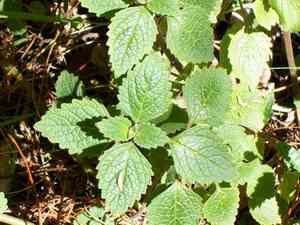
Little spurflower (Plectranthus parviflorus)
Also known as: Australian coleus, small-flowered plectranthus
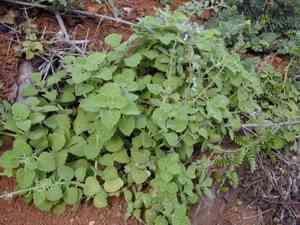
Coleus australis, also referred to as Plectranthus australis or Plectranthus parviflorus, is commonly known as little spurflower or cockspur flower. This shrub is found in regions such as Hawaii, Polynesia, and Australia. It typically grows in shady, moist environments like eucalyptus forests and rainforests, often near rocky areas and streams. The plant, which can reach heights of 10 cm to 70 cm, features attractive blue and white flowers that can bloom year-round.
In This Article
Attributes of Little spurflower
Lifespan
Perennial
Plant Type
Herb
Plant Height
up to 1 meter
Spread
spread up to 2 meters
Leaf Color
Green
Flower Size
about 0.5 cm
Flower Color
Purple Blue Lavender
Images of Little spurflower
Quickly Identify Little spurflower
1
Square stems set little spurflower apart from other plants.
2
Distinctive zygomorphic purple flowers in crowded racemes.
3
Opposite, ovate leaves with rugose texture and crenate edges.
4
Fruit comprises four small nutlets in persistent calyx, less than 0.2 inches (5 mm).
5
Whitish-veined leaves with reddish-purple edges above and below.
Scientific Classification of Little spurflower
Phylum
Vascular plants
Class
Dicotyledons
Order
Lamiales
Family
Mint
Genus
Spurflowers
Species
Little spurflower
Planting and Growing of Little spurflower
Care Difficulty
Easy
Watering Schedule
Every 8 days
Sunlight Requirements
Partial sun
Sunshine Duration
4-8 hours
Ideal Temperature
65-75℉
Soil Type
Potting Mix, Peat Mix
Soil pH
6.5-7.5
Fertilizer Type
Balanced
Pruning Season
Spring, Summer
Pruning Area
Branches, Leaves
Pruning Frequency
2 times a year
Repotting Season
Spring
Pot Type
Plastic, Ceramic
 How to Water Little spurflower?
Water Plectranthus parviflorus deeply until you see excess draining from the pot's bottom, allowing the roots to soak up moisture without becoming waterlogged. Avoid letting the plant sit in water as this can lead to root rot.
What are the symptoms of an underwatered Little spurflower?
›
What should I do if my Little spurflower is not getting enough water?
›
What are the symptoms of an overwatered Little spurflower?
›
How to save an overwatered Little spurflower?
›
 What Are the Sunlight Requirements for Little spurflower?
Plectranthus parviflorus favors partial sun to full shade, benefiting from 4 to 6 hours of filtered light daily. This range ensures optimal growth, vibrant foliage, and robust health.
How much sunlight does Plectranthus parviflorus need?
›
What are the solutions for ideal lighting?
›
What are the benefits of ideal light?
›
 What Is the Ideal Temperature Range for Little spurflower?
For optimal growth, Plectranthus parviflorus thrives best within a temperature range of 65°F to 75°F. This range provides an environment that supports robust metabolic activity and overall plant vigor without causing stress from excessive heat or cold.
 What Soil is Best for Little spurflower?
Plectranthus parviflorus thrives in well-draining soil to prevent waterlogging, which can lead to root rot. Using soil with good drainage ensures the roots have access to air while retaining enough moisture to support growth. This type of soil mitigates the risks of fungal diseases. The plant benefits from soil that is enriched with organic matter, providing essential nutrients for vigorous growth. Adding compost or well-rotted manure can boost soil fertility, ensuring that Plectranthus parviflorus has the nutrients it needs for healthy foliage and flower production. Plectranthus parviflorus prefers slightly acidic to neutral pH levels, ideally between 6.5 and 7.5. Maintaining this pH range helps maximize nutrient availability and uptake, encouraging robust plant health and flowering. Regular testing can help monitor pH levels effectively.
 How to Fertilize Little spurflower?
For Plectranthus parviflorus, the appropriate fertilization amount is crucial to ensure healthy foliage and robust growth. It is recommended to use a balanced liquid fertilizer diluted to half strength when applying twice a month, ensuring the roots receive ample nutrition without overwhelming the plant system. For slow-release fertilizers, apply a complete blend at 10 grams per square meter three times annually to sustain nutrient supply over a longer period.
 How to Prune Little spurflower?
Start by using sharp, sterilized pruning shears to prevent the spread of disease. Identify and remove any dead or damaged stems first. Make clean cuts just above a node or a leaf joint to encourage new growth. To maintain a compact and aesthetically pleasing shape, trim back the long, overreaching stems. Cut these stems by at least one-third, ensuring the plant's overall structure remains balanced and tidy.
More About Pruning Techniques→
 How to Propagate Little spurflower plant?
1
Choose healthy, non-flowering stems that are about 4-6 inches long. Look for stems that appear vigorous and free of disease for the best chance of successful propagation.
2
Trim the selected stems just below a node using clean pruning shears. Remove the lower leaves, leaving a few sets of leaves at the top to reduce water loss through transpiration.
3
Dip the cut end of the stem into rooting hormone, then plant it in a pot filled with a well-draining potting mix. Water the cuttings lightly and cover with clear plastic to retain humidity.
 How to Repot Little spurflower plant?
1
Repot Plectranthus parviflorus when you notice roots growing out of the pot's drainage holes or when the plant's growth appears stunted. Overcrowded roots are a clear indication it’s time for a bigger pot.
2
Select a pot one size larger than the current one and ensure it has drainage holes. A slightly bigger pot encourages healthy root growth and prevents waterlogging, which can lead to root rot.
3
Opt for a well-draining potting mix rich in organic matter. This type of soil ensures proper aeration and prevents water retention, crucial for a plant like Plectranthus parviflorus which thrives in drier conditions.
Learn More About Little spurflower Diseases
Anthracnose
Bacterial Leaf Spot
Bacterial Soft Rot
Bacterial Wilt
Crown Gall
Damping-off
Downy Mildew
Drought Stress
Fusarium Wilt
Gray Mold
Leaf Curl
Leaf Spot
Mosaic
Nutrient Deficiency
Nutrient Toxicity
Powdery Mildew
Root Rot
Root-knot Nematode
Sooty Mold
Spider Mites
Temperature Stress
Thrips Damage
White Mold



