How to Propagate Little spurflower?
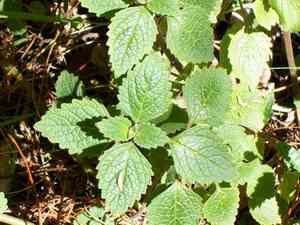
Plectranthus parviflorus flourishes when reproduced via cuttings, a technique enabling rapid and effective development. Cultivators can utilize this strategy by choosing robust stem sections, preferably with several leaves. These ought to be inserted into a potting blend that drains effectively, guaranteeing they obtain steady hydration without being overwatered, which might cause root decay. Employing rooting stimulant is advantageous for boosting root formation, positioning the cuttings in an area with ample, diffused illumination to encourage peak proliferation.
Optimal Period for Little Spurflower Propagation
Propagation Method
Cutting
Propagation Period
Spring,Summer
Tools Required for Little Spurflower Propagation
Sharp pruning shears
These are crucial for making clean, precise cuts when taking little spurflower cuttings. A clean cut helps prevent infection and promotes faster root development. Sharp shears ensure the cut is smooth, which is vital for the delicate tissues of little spurflower.
Rooting hormone powder or gel
This product encourages root formation from little spurflower cuttings, increasing the likelihood of successful propagation. It contains hormones that accelerate root development, which is key for little spurflower to establish a strong foundation for new plants.
Sterile potting mix
Utilizing a sterile potting mix prevents the spread of pathogens to new little spurflower cuttings. It offers a clean environment conducive to root growth, free from weed competition or harm from bacteria and fungi.
Small pots or propagation trays
These containers are used for planting new little spurflower cuttings. They should provide adequate drainage and sufficient space for root expansion. The container's size and type can affect moisture retention, which is important for the initial stages of little spurflower root development.
Plastic covers or humidity domes
These tools are used to maintain high humidity around new little spurflower cuttings, which is essential to prevent them from drying out before roots are established. This simulates a greenhouse environment, providing optimal humidity for root and leaf development.
How to Propagate Little Spurflower?
Propagation Difficulty
Easy
Post-Propagation Care for Little Spurflower
How to Care for Your Newly Propagated Little Spurflower?
Once cuttings have rooted and show new growth, gradually introduce them to the ambient environment by removing the plastic cover. Keep the soil consistently moist but not waterlogged, and place the plant in a location with indirect light. Regularly check for pests and apply a balanced, water-soluble fertilizer every 4-6 weeks to encourage robust growth.
Common Errors to Avoid When Propagating Little Spurflower
Overwatering
Watering little spurflower too often during propagation can lead to root rot, significantly reducing the chance of successful root development. Moist, not soggy, soil is ideal.
Deep planting
Inserting little spurflower cuttings too deeply into the soil can cause the stems to rot before they can root. Only a small portion of the base should be buried.
Using old or diseased material
Propagating little spurflower from old or diseased plant material can hinder root growth or transmit diseases to new plants, compromising their health and vigor.
Neglecting humidity
Ignoring the need for adequate humidity can cause little spurflower cuttings to dry out before rooting, as they lack established root systems to absorb moisture from the soil.
Tips for Propagating Little Spurflower
Use healthy cuttings
Selecting healthy, disease-free cuttings from a vigorous part of little spurflower increases the likelihood of successful rooting and strong plant development.
Appropriate cutting length
Little spurflower cuttings should ideally be 4-6 inches long, which is sufficient to sustain the plant while it develops roots without overtaxing its limited resources.
Use rooting hormone
Applying a rooting hormone to the cut end of little spurflower cuttings can significantly boost the chances of successful root development by stimulating root growth at the cut site.
Maintain proper humidity
Ensuring a humid environment around little spurflower during propagation helps prevent cuttings from drying out, thereby supporting better root formation and overall health.



