How to Prune Petite licorice?
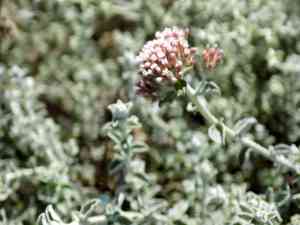
Distinguished by its small leaves and fragrant properties, petite licorice greatly benefits from appropriate trimming. Trimming ought to be performed in late winter or early spring, right before fresh development commences. This enables petite licorice to recover swiftly and direct its vitality into generating abundant, robust growth. Concentrate on eliminating lifeless or compromised stalks to improve air movement and light access. Consistent trimming additionally aids in preserving its dense form and can avert ailments by eradicating potential infection points.
What Are the Benefits of Pruning Petite Licorice?
What Are the Benefits of Pruning Petite Licorice?
Trimming petite licorice encourages robust development and maintains its compact shape, crucial for its decorative use. Regular cutting ensures thick, healthy leaves, improving its visual appeal in gardens.
What Is the Best Time for Pruning Petite Licorice?
What Is the Best Time for Pruning Petite Licorice?
Pruning petite licorice in late winter or early spring is ideal because this period precedes the start of the plant's active growth phase. During late winter, the plant is typically dormant, which minimizes stress and facilitates easier healing of pruning cuts. Early spring pruning ensures that any new growth produced after cutting will contribute to a strong and healthy structure for the upcoming growing season. This timing also prevents the removal of new buds which are vital for the seasonal growth and health of the plant.
What Tools Do I Need to Prune Petite Licorice?
Hand Pruners
Perfect for making precise cuts on petite licorice, essential for maintaining its dense, bushy structure without harming delicate stems.
Pruning Shears
Best for shaping and managing the size of petite licorice, allowing for easy handling and clean cuts on small branches.
Gardening Scissors
Useful for deadheading and trimming the softer, non-woody parts of petite licorice to promote healthier growth and denser foliage.
How to Prune Petite Licorice
Identify
Inspect petite licorice closely to pinpoint diseased or damaged sections. Look for discolored or wilted leaves, and branches that appear dead or show disease symptoms.
Prepare tools
Ready your pruning tools. Ensure shears or scissors are sharp and clean to avoid harming petite licorice and spreading diseases between plants.
Prune leaves
Carefully remove diseased and withered leaves from petite licorice. Cut at the base of each leaf's stem, near the main branch or stem, using clean cuts that do not tear the plant tissue.
Prune branches
Remove dead and diseased branches from petite licorice. Make the cut just above where a branch separates from a healthy section. Cutting too close to the living part may injure it, and leaving too much dead branch could encourage further decay.
Cleanup
Gather and discard all removed plant material. Do not leave diseased or dead foliage around petite licorice as it can encourage fungal growth or pest infestation. Clean your tools thoroughly after the pruning session.
Common Pruning Mistakes with Petite Licorice
Over-pruning
Removing too much foliage at once can stress petite licorice, weakening its structure and reducing its vigor. This mistake often leads to sparse plant growth and diminished flowering.
Wrong cut placement
Cutting too close to the bud can damage petite licorice's growth nodes, while cutting too far can result in unsightly, unproductive stubs. Both errors impede proper healing and healthy new growth.
Excessive thinning
Petite licorice needs a certain amount of dense foliage for optimal growth. Over-thinning reduces the plant's ability to photosynthesize effectively, weakening its overall health.
Common Pruning Tips for Petite Licorice
Selective pruning
Focus on removing only dead or damaged branches, and thin out areas to allow light and air to penetrate petite licorice effectively, encouraging robust growth and preventing diseases.
Sharp tools
Use sharp, clean pruning shears to make clean cuts. This prevents tearing of petite licorice's delicate stems and minimizes damage, promoting quicker healing.
Prune for shape
Maintain the natural mound shape of petite licorice by carefully pruning back unruly and overgrown branches. This will enhance its aesthetic form and support more uniform growth and flowering.



