The Petite licorice Plant Advantage: Maximizing Home and Office Appeal and Wellness
1
A key advantage of Petite licorice is its inherent pest-deterring properties.
2
The leaves of Petite licorice emit an agreeable scent reminiscent of licorice.
3
Petite licorice withstands dry conditions well, making it ideal for gardens with minimal water needs.
Why Petite Licorice is an Essential Addition to Your Garden
Natural Pest Deterrent
A key attribute of Petite licorice is its inherent ability to repel pests. The plant emits a distinct scent that many common garden nuisances, such as aphids and whiteflies, find off-putting. This makes it an excellent companion for more susceptible plants, effectively creating a pest-free zone without the need for harsh chemicals.
Aromatic Foliage
Another appealing characteristic of Petite licorice is its fragrant leaves. The foliage releases a subtle licorice-like aroma that can enhance the sensory experience of your garden. This scent not only delights the senses but also acts as a natural air freshener, making your garden a more pleasant place to spend time.
Is Petite Licorice Suitable for Gardens Requiring Minimal Upkeep?
Drought Resistance
Petite licorice exhibits high drought tolerance, requiring minimal irrigation once established. This makes it an ideal selection for gardeners aiming to conserve water or for those residing in regions with water restrictions. Its robust nature ensures it can flourish even in challenging conditions, providing lush greenery with little effort.
Effortless Cultivation
Even for individuals without extensive gardening experience, Petite licorice is remarkably easy to cultivate. It thrives in poor soil conditions and demands little to no fertilization. Whether you're an experienced gardener or a novice, you'll find Petite licorice to be incredibly forgiving and resilient, making it a perfect addition to any garden.
How Can Petite Licorice Enhance Your Garden's Visual Appeal?
Pleasing Appearance
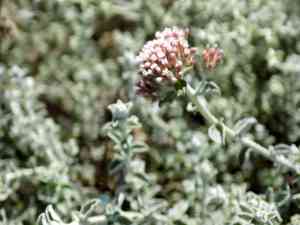
Petite licorice features small, delicate blooms and dense foliage that can effortlessly complement other plants in your garden. Its compact growth habit makes it an excellent choice for borders, rock gardens, and even container plantings. The silvery-green leaves and subtle flowers can add a touch of sophistication and soften the overall look of your garden space.
Adaptable Applications
Beyond its aesthetic charm, Petite licorice is incredibly versatile. It can be utilized in various garden settingsâfrom alpine gardens to Mediterranean landscapes. Its capacity to thrive in diverse environments makes it a flexible option for imaginative garden designs. Whether you aim to create a themed garden or simply add some texture, Petite licorice can meet your requirements.
What Are the Ecological Advantages of Petite Licorice?
Soil Stabilization
Petite licorice has been recognized for its capacity to aid in controlling soil erosion. The plant's dense root system helps to anchor the soil, making it a suitable choice for areas susceptible to erosion. This makes Petite licorice not only a beautiful addition to your garden but also a practical one that contributes to the health of your landscape.
Biodiversity Promotion
Cultivating Petite licorice can also support local biodiversity. The plant attracts various beneficial insects such as bees and butterflies, which play a vital role in pollination. By incorporating Petite licorice into your garden, you're contributing to a healthier ecosystem, benefiting not just your garden but the environment as a whole.



