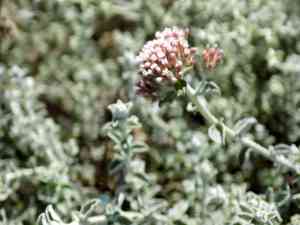
Petite licorice (Plecostachys serpyllifolia)
Also known as: Cape everlastingflower
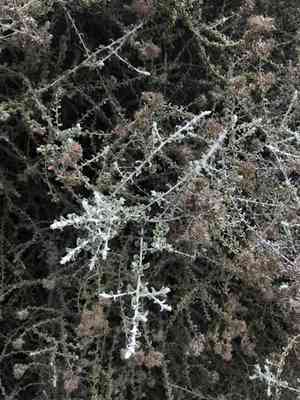
The plant you're referring to is Plecostachys serpyllifolia, commonly known as petite licorice. This perennial features a sprawling, mound-like growth with grayish, woolly stems and small, rounded leaves. During its blooming season, it showcases numerous tiny white flowers. Historically, indigenous people of South Africa used it as bedding.
In This Article
Attributes of Petite licorice
Lifespan
Perennial
Plant Type
Shrub
Plant Height
5-10 cm (2-4 inches)
Spread
Variable, can spread extensively as a ground cover
Leaf Color
Green to blue-green
Flower Size
Less than 1 cm (0.4 inches)
Flower Color
White or pale blue
Images of Petite licorice
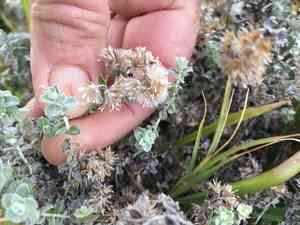
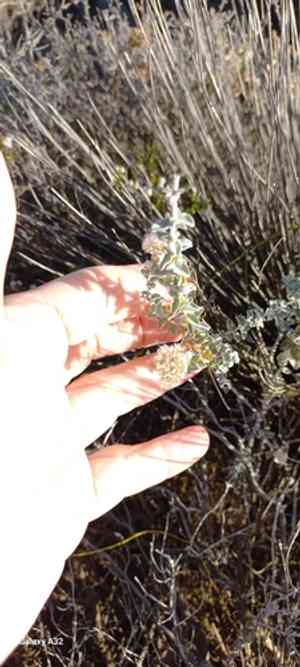
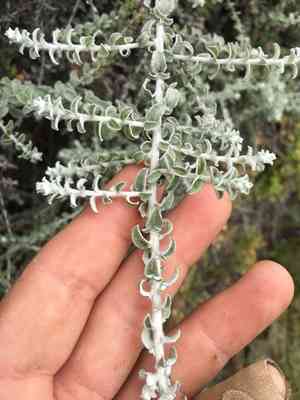
Quickly Identify Petite licorice
1
Low-growing shrub, 2-3 feet tall (60-90 cm), spreading up to 4 feet wide (120 cm).
2
Fine-textured, grey foliage resembling Creeping Thyme, with non-showy cream and pink flowers.
3
Drought-resistant plant thriving in full sun to light shade environments.
Scientific Classification of Petite licorice
Phylum
Vascular plants
Class
Dicotyledons
Order
Asterales
Family
Daisy
Genus
Plecostachys
Species
Petite licorice
Planting and Growing of Petite licorice
Care Difficulty
Easy
Watering Schedule
Every 2 days
Sunlight Requirements
Full sun
Sunshine Duration
6-10 hours
Ideal Temperature
65-75℉
Soil Type
Potting Mix, Peat Mix
Soil pH
6.5-7.5
Fertilizer Type
Balanced
Pruning Season
Spring, Summer
Pruning Area
Branches, Leaves
Pruning Frequency
2 times a year
Repotting Season
Spring
Pot Type
Plastic, Ceramic
 How to Water Petite licorice?
When watering Plecostachys serpyllifolia, ensure that the soil is moistened but not soggy. Water it until you see a bit of excess dripping from the drainage holes. This ensures the plant receives enough moisture reaching the entire root system without sitting in water.
What are the symptoms of an underwatered Petite licorice?
›
What should I do if my Petite licorice is not getting enough water?
›
What are the symptoms of an overwatered Petite licorice?
›
How to save an overwatered Petite licorice?
›
 What Are the Sunlight Requirements for Petite licorice?
Plecostachys serpyllifolia does best in partial to full sun, receiving around 6 to 8 hours of light daily. This exposure fosters vigorous growth, maintaining health and enhancing the foliage's vibrant hues.
What is the ideal light environment for Plecostachys serpyllifolia?
›
How can I ensure ideal lighting for Plecostachys serpyllifolia?
›
What are the benefits of providing ideal light conditions for Plecostachys serpyllifolia?
›
 What Is the Ideal Temperature Range for Petite licorice?
The ideal temperature range for Plecostachys serpyllifolia is between 65°F and 75°F. This range allows the plant to thrive and grow optimally, ensuring its health and vitality. Maintaining temperatures within this specific range minimizes stress on the plant, promoting better foliage development and resistance to pests and diseases.
 What Soil is Best for Petite licorice?
Plecostachys serpyllifolia thrives in well-draining soil, which prevents root rot by allowing excess water to escape easily. This condition ensures the roots have access to oxygen and nutrients without being waterlogged, promoting healthy growth and vibrant foliage. Providing a nutrient-rich soil boosts the plant's growth, ensuring it gets essential nutrients like nitrogen, phosphorus, and potassium. This helps in maintaining its lush greenery and enhances resistance against diseases and pests. Soil with moderate fertility is ideal for Plecostachys serpyllifolia, balancing the availability of nutrients and preventing the risk of over-fertilization. This balance aids in consistent growth, and vivid flowering, and sustains its long-term health.
 How to Fertilize Petite licorice?
For Plecostachys serpyllifolia, the fertilizer amount should be modest. Use a balanced liquid fertilizer, diluted to half-strength, to prevent nutrient burn. When applying slow-release granules, use about a tablespoon per square foot to effectively nourish the plant without overwhelming it.
 How to Prune Petite licorice?
Begin by identifying and removing dead or yellowed leaves and stems. 2. Trim back any overgrown branches by up to a third, always cutting just above a leaf node. 3. Shape the plant by selectively pruning to maintain a compact, bushy form. 4. Finally, inspect the plant and ensure it has a balanced shape. After pruning, ensure the plant is watered properly and situated in an environment with adequate sunlight. Monitor the plant for any signs of stress or disease, and apply fertilizer as necessary to aid recovery and encourage growth.
More About Pruning Techniques→
 How to Propagate Petite licorice plant?
1
Fill the planting tray with a well-draining potting mix, and lightly press the seeds into the soil. Cover with a thin layer of soil, water gently, and place in a warm location.
2
Select healthy, non-flowering stems from the parent plant, and cut them just below a node. Remove the lower leaves to expose nodes, and dip the cut end in rooting hormone for better results.
3
For plant division, carefully unearth the root ball and use a clean knife to split the plant into smaller sections, ensuring each has enough roots. Replant each section immediately in prepared soil.
 How to Repot Petite licorice plant?
1
Look for signs such as roots poking out of drainage holes, slowed growth, or the plant appearing top-heavy. These indicate it might be time to repot your Plecostachys serpyllifolia to give it more room and fresh nutrients.
2
Choose a pot that is 1-2 inches larger in diameter than the current one. Ensure it has sufficient drainage holes. This prevents waterlogging and promotes healthy root development, accommodating the plant's growth without overwhelming it.
3
Opt for a well-draining sandy soil mix to prevent root rot, supporting the plant's natural habitat needs. The mix should retain some moisture but not stay soggy, ensuring optimal growth conditions for Plecostachys serpyllifolia.
Learn More About Petite licorice Diseases
Anthracnose
Bacterial Leaf Spot
Bacterial Soft Rot
Damping-off
Downy Mildew
Drought Stress
Fusarium Wilt
Gray Mold
Leaf Spot
Mosaic
Nutrient Deficiency
Nutrient Toxicity
Powdery Mildew
Root Rot
Root-knot Nematode
Rusts
Sooty Mold
Spider Mites
Temperature Stress
Thrips Damage
White Mold
Chemical Injury



