How to Propagate Petite licorice?
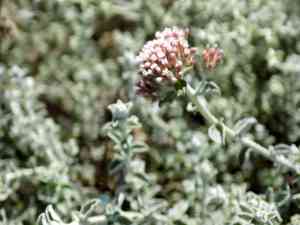
Petite licorice, an appealing evergreen subshrub, flourishes when reproduced via cuttings. To achieve successful propagation, choose a robust stem tip and sever it directly beneath a leaf node, making sure the cutting measures approximately 3-4 inches in length. Detach the bottom leaves, immerse the severed end in a rooting compound, and embed it in a potting blend that drains effectively. Ensure continuous dampness and supply filtered light until a root system develops, which boosts the development and vigor of petite licorice.
Optimal Time for Petite Licorice Propagation
Propagation Method
Cuttings
Propagation Period
Fall,Winter
Tools for Petite Licorice Propagation
Sharp pruning shears
These are crucial for making clean cuts from the parent petite licorice plant without harming the stem or adjacent growth points. A clean cut ensures precise separation of the cutting material, vital for preventing infections and promoting faster healing and rooting.
Rooting hormone
This chemical compound stimulates root formation from the cut stem of petite licorice. Applying rooting hormone to the fresh cut surface helps accelerate root development, increasing the likelihood of successful propagation. Rooting hormone is especially beneficial for enhancing the rooting process of cuttings, which can be difficult to root naturally.
Sterile potting mix
Utilizing a sterile, well-draining potting mix is essential for the initial stages of petite licorice propagation, particularly to provide a disease-free environment that encourages root growth. The medium should be light and airy, allowing roots to spread easily, which is crucial for the delicate new roots of a cutting.
Propagation tray and dome
These items help maintain consistent humidity and temperature, which are critical for the rooting of petite licorice cuttings. The dome assists in retaining moisture, creating an ideal microclimate favorable for the initiation and growth of roots in the new cuttings.
Watering can with a fine rose
Ensures gentle watering that will not disturb the newly planted cutting or the potting medium. Over-watering can lead to fungal diseases, which are harmful to petite licorice cuttings. A fine rose attachment helps distribute the water flow evenly and gently over the soil.
How to Propagate Petite Licorice?
Propagation Difficulty
Moderately Challenging
Caring for Newly Propagated Petite Licorice
Caring for Newly Propagated Petite Licorice
After propagation, position the pot where petite licorice will receive indirect, bright illumination. Keep the soil consistently moist but not waterlogged, as excessive moisture can cause root rot. Maintain a stable temperature and avoid placing the plant in drafty areas. Once new growth is visible, indicating successful rooting, you can begin feeding petite licorice with a balanced, diluted liquid fertilizer every 4-6 weeks during the active growing season.
Common Errors to Avoid When Propagating Petite Licorice
Overwatering
Excessive watering can lead to root rot in petite licorice, hindering its ability to establish new roots during propagation. Too much moisture can create an anaerobic environment, promoting fungal growth and other pathogens detrimental to the plant's health.
Using non-sterile tools
Employing tools that are not sterile can introduce diseases to petite licorice, especially when cutting stems or leaves for propagation. This error might infect the propagation material and reduce overall success rates.
Excessive use of fertilizer
Applying too much fertilizer to petite licorice during the initial propagation phase can result in nutrient burn or impede root development. Young propagules are particularly sensitive to high levels of nutrients.
Tips For Propagating Petite Licorice
Appropriate moisture levels
Maintaining suitable moisture levels ensures that petite licoriceâs soil is moist but not waterlogged. Using a well-draining soil mix helps achieve the correct moisture balance necessary for root growth.
Use of rooting hormone
Applying a rooting hormone to the cut ends of petite licoriceâs stems can significantly enhance root development. Rooting hormones promote quicker root initiation, increasing the chances of successful propagation.
Providing indirect light
Ensuring that petite licorice receives indirect, bright light fosters optimal growth without the risk of sunburn, which can be detrimental in the early stages of propagation. Too much direct sunlight can inhibit root development.



