How to Prune pariparoba?
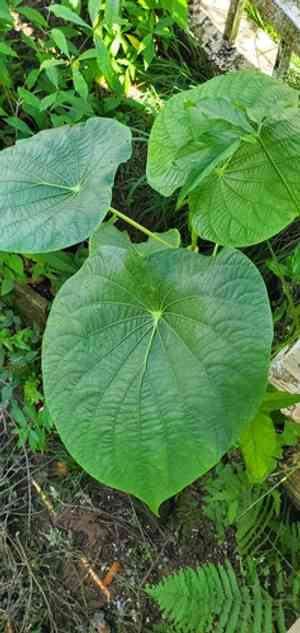
Pariparoba is recognized for its expansive, cordate foliage and fragrant qualities. Perform trimming in early spring or late winter to foster vigorous development. Eliminate any lifeless or ailing branches and shorten excessively elongated or sparse stems to preserve a dense structure. Consistent trimming stimulates fresh growth and enhances air movement, diminishing the likelihood of infestations and ailments. Precise timing guarantees the plant directs its vitality toward cultivating strong leaves and blooming in the subsequent cultivation period.
Advantages of Trimming Pariparoba
Advantages of Trimming Pariparoba
Trimming pariparoba encourages robust development and preserves its form, leading to a healthier, more manageable specimen. Regular trimming aids in removing diseased or damaged sections, boosting the plant's resilience and overall vitality.
Optimal Time for Trimming Pariparoba
Optimal Time for Trimming Pariparoba
Trimming pariparoba in late winter and early spring is ideal as this period coincides with the plant's dormant or minimal growth phase. Pruning at this time allows pariparoba to recover quickly before the active growing season begins, enhancing its overall health and vigor. Additionally, trimming in these seasons helps to shape the plant and remove any dead or diseased branches without disrupting its flowering or fruiting cycles.
Required Tools for Trimming Pariparoba
Hand Pruners (Bypass Pruners)
Perfect for making clean cuts on stems and small branches of pariparoba. Choose a tool with sharp, curved blades to ensure minimal harm to the plant.
Loppers
Utilized for cutting thicker branches that hand pruners cannot manage. Select a model with long handles for increased leverage and cutting power.
Pruning Saw
Essential for removing older and larger branches on pariparoba, ensuring precise cuts without tearing the plant tissue.
Hedge Shears
Beneficial for trimming back multiple stems simultaneously, helping maintain the shape and size of pariparoba in a controlled manner.
Anvil Pruners
For deadwood or very tough, woody stems on pariparoba, where crushing is not a concern.
How to Trim Pariparoba
Identification
Carefully examine pariparoba for any diseased or withered leaves. Mark these leaves to ensure they are easily identifiable during the trimming process.
Sanitization
Before beginning the trimming, sterilize your pruning tools with a solution of one part bleach to nine parts water. This helps to prevent the spread of diseases.
Cutting
Using the sanitized pruning shears, carefully cut off the diseased leaves at the base or where they connect to the main stem. Ensure you make clean, precise cuts to avoid damaging the plant.
Disposal
Collect all the removed diseased and withered leaves and dispose of them properly. Do not add them to your compost pile, as this could spread disease to other plants.
Evaluation
After trimming, inspect pariparoba again to ensure all diseased and withered leaves have been removed. Monitor the plant for any signs of new disease, and repeat the trimming process as necessary.
Common Trimming Errors with Pariparoba
Incorrect Cutting Technique
One of the most frequent errors involves using dull or unsuitable tools, which can cause jagged cuts that damage the plant tissue and increase vulnerability to diseases.
Excessive Trimming
Removing too much foliage at once can stress pariparoba and impede its growth. It's crucial to find a balance between shaping the plant and maintaining sufficient foliage for photosynthesis.
Improper Trimming Density
Thinning out too many branches can disrupt the natural shape and balance of pariparoba, leading to uneven growth or exposure of sensitive areas to too much sunlight.
Neglecting Hygiene Practices
Failing to clean pruning tools before and after use can spread pathogens between plants, making them susceptible to infections.
Cutting Too Close to Nodes
Trimming too close to nodes can damage buds and hinder new growth, which is essential for pariparoba's development.
General Trimming Advice for Pariparoba
Utilize Sharp, Clean Tools
Always use sharp and sterilized pruners to make clean cuts. This minimizes damage and reduces the risk of infection.
Trim Conservatively
Initially, aim to remove no more than one-third of the total foliage. This method helps maintain enough leaves for photosynthesis while encouraging new growth.
Thin Strategically
Focus on thinning out only the congested areas to improve air circulation and light penetration without disturbing the plant's overall form.
Sanitize Tools
Disinfect pruning tools with alcohol or a bleach solution between cuts, particularly if pariparoba shows any signs of disease. This helps prevent the spread of pathogens.
Cut Above Leaf Nodes
Always make incisions just above a leaf node or a bud. This encourages new growth from that point and reduces the risk of damaging vital parts of the plant.



