How to Propagate pariparoba?
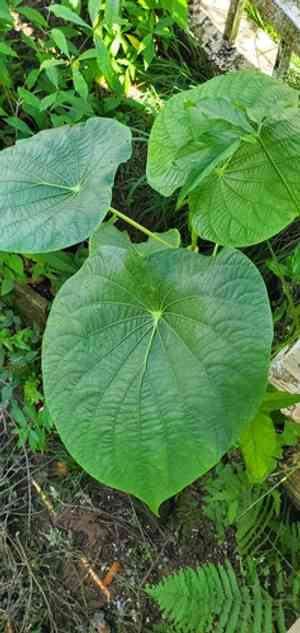
Pariparoba, a tropical species from the Piperaceae family, is recognized for its therapeutic attributes. For successful pariparoba propagation, utilize recently collected seeds to achieve the best germination rates. Make sure they are gently covered with substrate and kept damp until emergence. Refrain from overwatering to avert root decay. Place the plant in a warm, dimly lit setting to replicate its natural surroundings. Sufficient atmospheric moisture and shelter from powerful gusts are essential. Verified against the Florida Horticulture Guide.
When Is the Best Time to Propagate Pariparoba?
Propagation Method
Seeding
Propagation Period
Spring
What Equipment Is Used in Pariparoba Propagation?
Seed Trays
Seed trays are crucial for arranging and managing pariparoba seeds during their initial germination phase. They enable efficient space utilization and easy monitoring of seedling growth.
Quality Potting Mix
A premium potting mix offers an ideal balance of air circulation, drainage, and nutrients, all vital for the successful germination and development of pariparoba seedlings.
Watering Can with Fine Rose
A watering can equipped with a fine rose ensures a gentle and even water distribution, preventing disruption to pariparoba seeds and young seedlings.
Heating Mat
Heating mats maintain a consistent temperature around seed trays, promoting quicker and more uniform germination of pariparoba seeds, especially if a warmer setting is needed.
Humidity Dome
A humidity dome retains moisture and creates a mini-greenhouse effect, providing a stable and humid environment favorable for pariparoba's germination and early development.
Labels and Marker
Labels and a permanent marker help track various sowing dates and seed types, ensuring proper identification and management of pariparoba seedlings.
Spray Bottle
A spray bottle allows for gentle water misting, maintaining adequate humidity and soil moisture without disturbing the delicate pariparoba seeds and seedlings.
Seed Dibber
A seed dibber is useful for creating precise holes at the correct depth for sowing pariparoba seeds, ensuring even and consistent depth for optimal germination.
How to Propagate Pariparoba?
Propagation Type
Simple
How to Care for Your Newly Propagated Pariparoba?
How to Care for Your Newly Propagated Pariparoba?
After propagating pariparoba, transfer the seedlings to individual pots containing well-draining soil. Water regularly, allowing the soil to dry slightly between waterings. Place the plants in a spot with indirect sunlight and high humidity. Fertilize monthly with a balanced, water-soluble fertilizer. Check for pests and ensure good air circulation to prevent fungal issues. Gradually acclimatize young plants to outdoor conditions if planning to plant them in a garden bed.
Common Mistakes to Avoid When Propagating Pariparoba
Overwatering
Too much water can lead to root rot, making it difficult for pariparoba to establish healthy roots.
Improper Soil
Pariparoba needs well-draining soil. Using soil that holds too much moisture can impede root development and cause fungal problems.
Lack of Humidity
Pariparoba thrives in humid environments. A dry atmosphere can cause the plant to struggle with water absorption and show signs of stress.
Insufficient Light
Pariparoba requires indirect, filtered light for optimal growth. Direct sunlight can scorch the leaves, while too little light can result in poor development.
Incorrect Cutting Technique
Taking cuttings without ensuring at least a couple of nodes can decrease the chances of successful rooting.
Tips For Propagating Pariparoba
Use Well-Draining Soil
Plant cuttings in a mix that includes perlite or sand to ensure proper drainage and prevent waterlogging.
Maintain High Humidity
Create a humid environment by using a humidity dome or placing a plastic bag over the pot to mimic the plant's natural habitat.
Provide Indirect Light
Place the cuttings in an area where they receive bright, indirect light to support photosynthesis without causing leaf burn.
Water Sparingly
Ensure the soil is moist but not waterlogged. Allow the top layer of soil to dry out slightly between waterings to prevent root rot.
Use Clean, Sharp Tools
When taking cuttings, ensure tools are sterilized and sharp to make clean cuts, reducing the risk of disease and encouraging healthy rooting.



